
How Telemintory GPS Systems Work 2025

How Telemintory GPS Systems Work 2025

1.noThe GPS receiver
2.noA telematics device that is installed
3.noIn addition to GPS and interactions modules Telemintory
4.noAnother significant
5.noNormal a calibration
6.noIn conclusion

Telemintory

GPS systems are a new technology that uses satellites and telematics to keep track of and manage cars or assets across large distances. Using the Global Positioning System (GPS), these devices can find the exact location of an object at any moment. Because they provide real-time data and control functions that are necessary for smooth

How Telemintory GPS Systems Work 2025

operations, they are frequently utilized in logistics, transportation, agriculture, construction, and personal tracking.

The GPS receiver

is the most important part of a Telemintory GPS system. This gadget talks to many satellites that are circling the Earth. These satellites provide signals to the receiver, which takes data from at least four satellites to figure out its precise location by triangulating the signals. Depending on the quality of the receiver and the intensity of the satellite signal, this position data can be accurate to within a few meters or a few millimeters.

A telematics device that is installed

in a car or piece of equipment often includes a GPS receiver in it. This device is also connected with a cellular or satellite modem allowing it to broadcast the location and other sensor data to a central server or cloud platform When coverage is weak in distant places, this data is supplied over wireless networks like 4G LTE or satellite links.

How Telemintory GPS Systems Work 2025

Once the data reaches the server it is analyzed and made accessible through software dashboards or portable apps Users can view real time location history movement speed engine status fuel consumption the temperature and other telematics data based on what sensors are integrated towards the system This visibility is crucial for fleet managers who want to optimize routing reduce idle time ensure driver safety as well as boost overall efficiency

In addition to GPS and interactions modules Telemintory

systems sometimes feature acceleration sensors gyroscopes and other passenger sensors These sensors capture information on driving behavior such as forceful braking sharp bends quick acceleration or crashes This data assists in risk assessments insurance reviews and driver training programs
Geo fence is another significant function of Telemintory GPS devices It allows directors to establish virtual borders on a technological map Anytime a vehicle enters or departs a defined region the system sends automated notifications to the operator This is especially important for monitoring limited zones unlawful usage and promoting that users follow specified routes

How Telemintory GPS Systems Work 2025

The data acquired by Telemintory GPS devices is saved and processed to provide reports These reports give insights into fleet performance asset utilization maintenance plans and compliance status Predictive the upkeep has analyze engine data to identify probable faults helping organizations avoid costly downtime and repairs
Security is a significant advantage of utilizing Telemintory GPS systems In case of theft the real time tracking technology helps find stolen vehicles or goods swiftly Moreover the technology may remotely deactivate a vehicle or activate alarms if illicit movement is detected Some systems also incorporate panic buttons enabling drivers to call rescue in crises

Another significant

component is the connection of Telemintory applications with other software tools Fleet management ERP and dispatch systems can link easily with GPS data enabling for automated operations real time updates and improved coordination For example when a delivery is delivered the GPS system can validate the position and period inevitably updating the customer and backend system without user input


The installation method for Telemintory devices is quite basic Depending on the model gadgets can be connected to the car electrical system or placed magnetically with the battery power for portability The setup comprises putting the GPS antenna placing the telematics box setting sensors and combining the system to the software framework

Normal a calibration

and upgrades are had to keep the method running properly Firmware upgrades enhance device performance security fixes keep info safe and the calibration guarantees reliable readings from gauges and GPS sections Maintenance crews normally conduct these upgrades during periodic vehicle reviews or far away over the air


As electronic devices continues to advance Telemintory GPS devices are growing more knowledgeable and more flexible Integration with AI provides predictive analytics path optimization and deviation detection These sophisticated features enable firms make choices based on data and stay on par in quickly changing marketplaces

In conclusion

Telemintory satellite navigation systems are significant instruments in modern industry They give precise location tracking real time track actionable perspectives and security aspects By integrating GPS satellite gadgets with modern telematics instruments and facts analytics these systems give end to end visibility and charge over mobile assets Their usefulness spans from up and running performance and cost saving money to safety complying and customer satisfaction
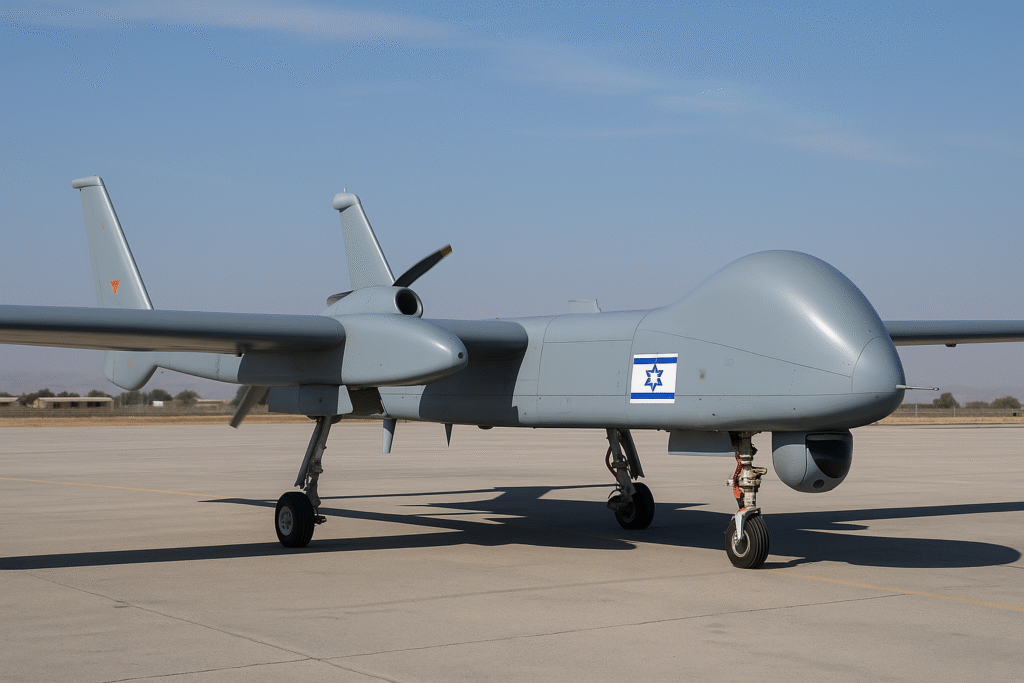
Israel DronesThe Technology That Changed Modern Warfare

Israel DronesThe Technology That Changed Modern Warfare

Introduction

1Evolution of Israeli Drone Technology
2Strategic Uses and Military Applications
3Global Reach and Export Influence
4Ethical Considerations and Debates
5Future Outlook
6Conclusion

Many people agree that Israel is one of the most advanced countries in drone technology. Israeli unmanned aerial vehicles (UAVs), often known as drones, have changed the way we fight and watch over the world in many ways, from military usage to worldwide exports. The country’s strong concentration on security and defense innovation has led to the construction of drones that are efficient, dependable, and combat-proven. Israeli drone makers have produced cutting-edge UAV systems that are presently used in more than 50 nations across the world in the last few decades. Israel DronesThe Technology That Changed Modern Warfare

Early Development and History

After the Yom Kippur War in 1973, military planners decided they needed real-time information on the battlefield. This was the start of Israeli drones. Old ways of getting information were dangerous and didn’t always work, so new surveillance technologies were devised. Israel Aerospace Industries (IAI), the country’s biggest defense contractor, created the first drone prototypes that could be launched, flown from a distance, and used to take pictures and collect signals without putting people in risk.Israel DronesThe Technology That Changed Modern Warfare
The Scout drone was one of the first big successes in the late 1970s. It worked well during the 1982 Lebanon War, giving military commanders important live video footage. This was a turning point in how the Israel Defense Forces (IDF) conducted operations and prompted greater investment into drone technology.Israel DronesThe Technology That Changed Modern Warfare


Key Israeli Drone Models

Israel develops a long range of unmanned aircraft for diverse tasks. Of the those that are most well-known and commonly utilized are

Israel DronesThe Technology That Changed Modern Warfare

Heron

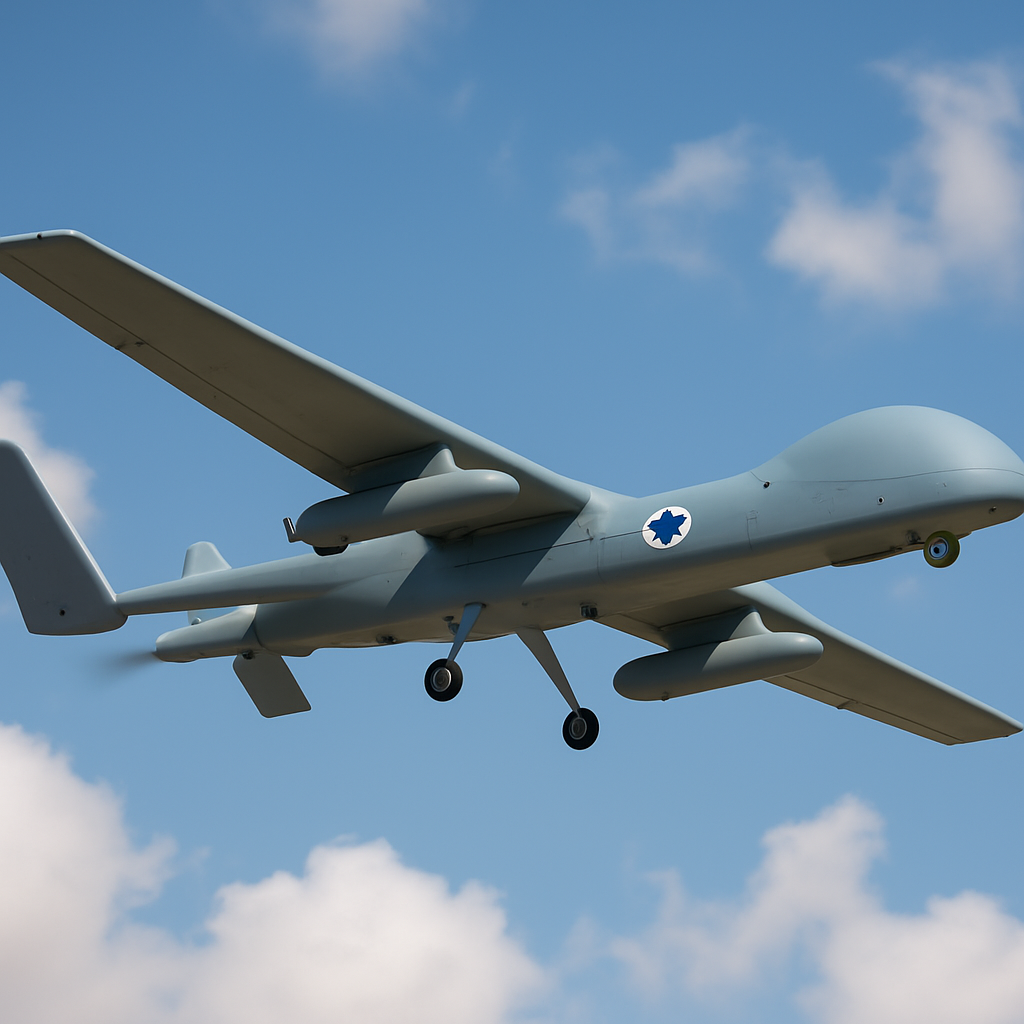
The Heron is a medium-altitude long-endurance (MALE) drone developed by IAI It can fly for more than 45 hours and reach heights of up to 35,000 feet It is equipped with modern sensors radar and video systems The Heron is employed for surveillance, border patrol, and battlefield intelligence. It has been exported to nations including India France and Turkey Israel DronesThe Technology That Changed Modern Warfare

Hermes 450 and Hermes 900

Built for Elbit Systems, which range the Hermes as a series is widely utilized by the IDF. The Hermes 450 is recognized for its lengthy durability and a high-re video capabilities. The bigger Hermes 900 delivers even higher flying time and can carry more equipment. Both serve their purpose for inspection, communication support, and maneuvering

Harop

This is a lingering munition drone or “the kamikaze. drone.” It may fly over an area until it selects a target, and then dive in and eliminate it by guide impact. The Harop combines the duties of a rocket and a drone in question. It has been sold to nations including India, Azerbaijan and and South Korea

Skylark

Israel DronesThe Technology That Changed Modern Warfare

The Skylark is a small, hand-launched tactical drone used by ground forces for short-range reconnaissance. It provides real-time video and is quiet and lightweight, ideal for missions at the infantry level

Military and Strategic Use

Israel employs drones heavily in its military activities. UAVs give real-time data to managers monitor border operations, and deliver precision strikes on high-value targets. Drones minimize the need for dangerous manned operations and enable for monitoring over broad regions for extended periods
During confrontations in Gaza, Lebanon, and yria, drones have let the IDF to watch insurgent movements, discover weapon depots, and attack with great accuracy. These actions assist reduce civilian casualties and enhance mission success rates
Israeli drones are also utilized in defense duties, such as spotting and intercepting approaching threats. Some UAVs are outfitted with electronic warfare devices to jam adversary radar and communication

Export and Global Influence

Israel is one of the world’s largest exporters of drone technology. Over the years, Israeli drones have been sold to more than 50 countries. The country’s drone industry is worth billions of dollars, and its systems are known for being reliable, combat-tested, and easy to operate.

Nations such as Germany, India, Brazil, and Singapore have incorporated Israeli drones into their air forces. The success of these exports has helped Israel build strong defense partnerships around the world and solidify its reputation as a technology leader.

Israeli companies like IAI, Elbit Systems, and Rafael Advanced Defense Systems continue to develop and improve UAVs, often integrating artificial intelligence, advanced sensors, and communication systems to meet modern demands

Future Trends and Innovation

The future of Israeli drone electronic devices hinges on increased autonomy, artificial information, and multi-role capabilities. Israel is focusing on swarm drone technology, where multiple small drones work together to achieve tasks such as monitoring, target identification, or computerized warfare.


Advanced Training Israeli drones are also being built for nonmilitary projects like as farms, disaster reaction search and rescue, and the environment monitoring These dual-use technologies are anticipated to play a crucial role in both civilian and defense usages in the future

Ethical Concerns and Challenges

Despite their advantages, Israeli drones have also prompted ethical and legal concerns The use of drones in targeted murders and monitoring particularly in densely populated regions, has prompted human rights concerns. Critics contend that drone attacks often cause innocent fatalities and challenge the lack of openness in decision-making procedures
Additionally the expanding usage of surveillance drones raises issues about privacy and data protection. While the technology is sophisticated, politicians are still striving to set clear norms and supervision systems for drone usage both inside and outside military activities

Conclusion

Israeli unmanned aerial vehicles have become a potent emblem of the nation s serving superiority and technical leadership What started as basic surveillance instruments has developed into a fleet of powerful unmanned plane capable of executing a wide stretch of duties. These drones now serve a key role in securing Israel’s borders, assisting war actions, and obtaining intelligence in real-time. They’ve also made a presence internationally with numerous nations adopting Israeli UAVs to stay their own defense requirements Despite their efficacy and the the lives they assist save by minimizing the need for human missions doubts regarding their ethical usage especially in war zones continue to stimulate international controversy. As drone manufacturing keeps progressing Israel will keep being at the forefront determining the future of aerial the defense and innovation

SR71 Blackbird Speed Payload Altitude and Global Reach

SR71 Blackbird Speed Payload Altitude and Global Reach
Introduction to the SR71 Blackbird
1Top Speed of SR71 Blackbird
2Highest Flying Altitude
3Payload and Sensors
4Operational Range and Endurance
5Legacy and Impact

The SR71 The blackbird is one of the most iconic aircraft in transport history Known for its unequaled speed altitude and surveillance capacity the SR71 was built by Lockheed’s Martin’s the skunk Works division at the height of the Cold War Built as a long differ high altitude Mach 3 strategic investigation aircraft it flew for the United States Air Force from 1966 until 1998 Despite being decommissioned the SR71 stands a symbol of technical innovation and aeronautical success.SR71 Blackbird Speed Payload Altitude and Global Reach Its powers in terms of peak speed maximum flying high altitudes and operating range continue to surprise aviation fans and military historians throughout the world SR71 Blackbird Speed Payload Altitude and Global Reach
Top Speed of SR71 Blackbird

The SR71 Blackbird holds the official record for the fastest air breathing manned aircraft ever built Its peak speed exceeds Mach 33 which is more than 2500 miles per hour This exceptional speed helped the SR71 to escape surface to air missiles and adversary aircraft during its reconnaissance missions It was so quick that when a threat was recognized the conventional technique was to just accelerate and flee the danger zone rather than try to avoid or
SR71 Blackbird Speed Payload Altitude and Global Reach

The Blackbird’s speed stemmed from its unique propulsion system The aircraft was powered by two Pratt & Whitney J58 turbojet engines which operated as turbo ramjets at high speeds and altitudes This meant that the quicker the SR71 went the more effectively its engines operated Most conventional jet engines lose performance as speed increases but the J58s were expressly engineered to survive under such high circumstances.SR71 Blackbird Speed Payload Altitude and Global Reach

The SR71’s speed was not only a question of life but also a critical component of its mission success It could fly into hostile airspace acquire intelligence using sophisticated sensors and cameras and escape before enemy defenses could reply This feature made the SR71 a vital instrument for strategic reconnaissance during the Cold War notably over locations like the Soviet Union the Middle East and North Korea

Highest Flying Altitude

Another notable trait of the SR71 Blackbird was its ability to fly at extraordinarily high altitudes The aircraft had a service ceiling of 85000 feet which is nearly 16 miles above the Earth’s surface At this height the SR71 could dodge most forms of radar detection and conventional anti aircraft weaponry
Flying at such high altitudes imposed unusual demands on both the aircraft and the pilot The thin atmosphere at 85000 feet needed special pressurization devices and the pilot wore a complete pressure suit similar to those worn by astronauts The cockpit atmosphere had to be carefully maintained to guarantee that the crew could perform well throughout extended flights

SR71 Blackbird Speed Payload Altitude and Global Reach

The SR71’s high flying capabilities not only boosted its survival but also allowed it a broad field of view for reconnaissance missions The cameras and sensors onboard could record huge expanses of terrain in a single pass and the photos obtained gave important intelligence for military planners and government authorities This advantage was especially crucial for operations over locations where satellite coverage was restricted or lacking SR71 Blackbird Speed Payload Altitude and Global Reach

Payload and Sensors

While the SR71 was not meant to carry traditional armament payloads its actual potency came from the reconnaissance devices it contained The aircraft might be outfitted with a wide variety of sensors including high resolution optical cameras side facing airborne radar and signals intelligence equipment These devices allowed it to gather data across various spectrums providing a detailed picture of enemy activities infrastructure and troop movements
The payload compartment of the SR71 was modular allowing mission planners to adapt the equipment loadout based on operational needs Depending on the task it might carry a combination of photography equipment radar scanners and electronic intelligence gear Each cargo had to resist intense heat and pressure owing to the aircraft’s high speed and altitude therefore specialist design and cooling systems were needed

Although the SR71 did not carry bombs or missiles its surveillance payloads were frequently more strategically valuable The intelligence obtained by the Blackbird helped shape national defense strategy arms control discussions and battlefield tactics Its capacity to offer accurate timely and trustworthy intelligence without placing itself in substantial danger was unsurpassed by any other platform of its time

Operational Range and Endurance

The SR71 had an operational range of around 3000 miles on internal fuel but its true benefit came with the ability to refuel midway Using aerial refueling tankers the SR71 could prolong its mission endurance and reach practically any location on the world This capabilities allows it to perform transcontinental surveillance operations without relying on offshore bases
Typical missions comprised the SR71 taking off from a facility such as Beale Air Force facility in California meeting with a tanker aircraft to top off its fuel and then traveling to its target area After completing the reconnaissance mission it would again connect with a tanker before returning to base Missions might continue for over 10 hours and span tens of thousands of miles

The durability of the SR71 was further boosted by its dependability and sturdy engineering Unlike some reconnaissance aircraft that required substantial maintenance between flights the SR71 was noted for its operational availability and ability to be deployed fast This was critical for operations that required real time information collection in reaction to swiftly shifting geopolitical events

Legacy and Impact

The SR71 Blackbird was a wonder of inventiveness accelerate and strategic value Although it was later discontinued in favor of satellite communication technology and current drones the impact of the SR71 continues to affect aircraft design and intelligence collection techniques Its records for velocity and altitude still remain and its impact in molding global military awareness over the Cold War cannot be exaggerated

From its peak speed exceeding the Mach 3 to its 85000 bike service ceiling and worldwide reach with aerial filling up the SR71 illustrated what was achievable with the appropriate combination of technology vision and strategic requirement Even now it serves as a template for future generations of planes like the claimed SR72 and other high speed investigation designs pushing the boundaries of what contemporary aviation can achieve

B2 stealth bomber how long carry payload capacity

B2 stealth bomber how long carry payload capacity
NO.1Speed Capabilities
NO.2Payload Capacity
NO.3Flying Heights
NO.4Long Range Global Reach
NO.5Conclusion

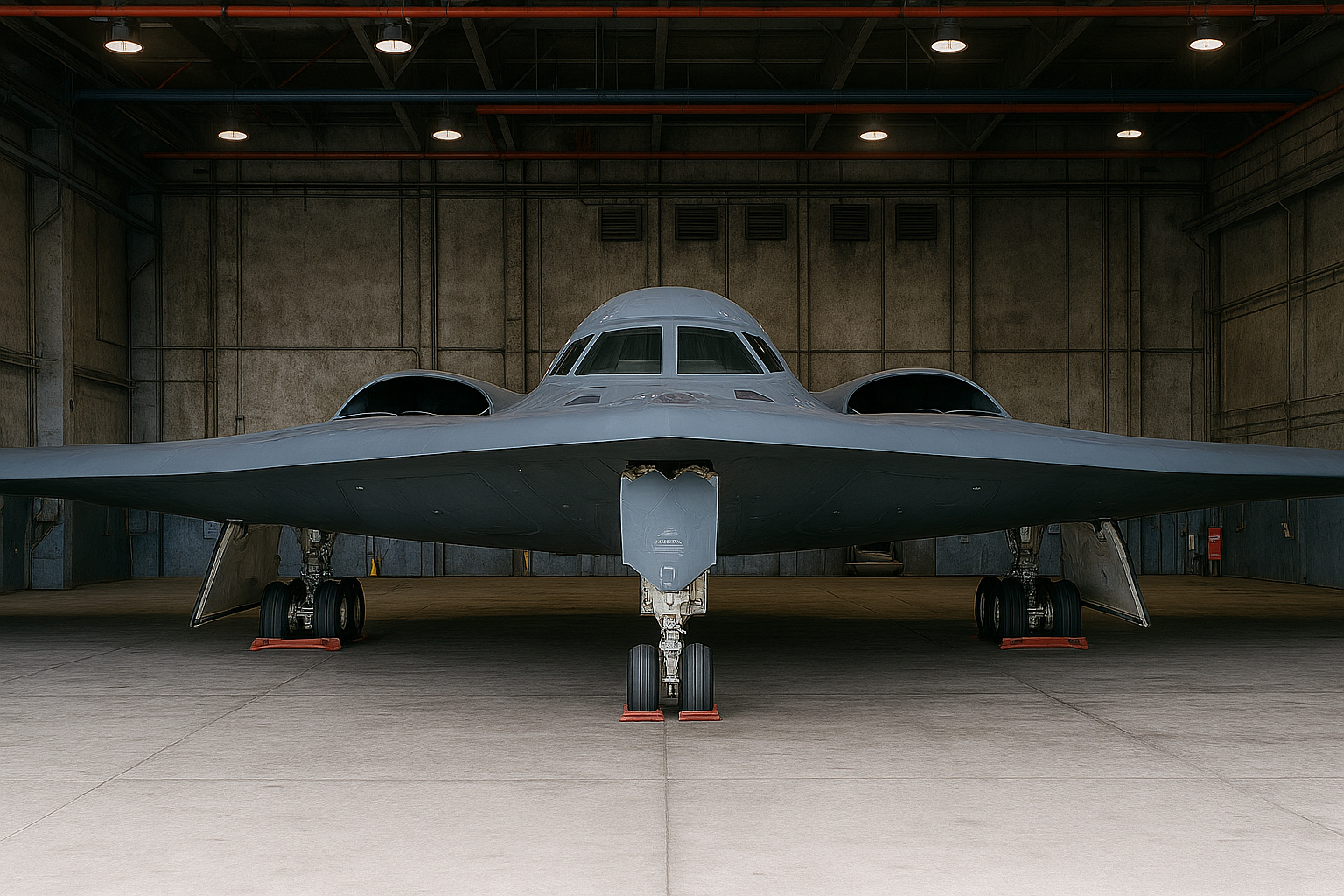
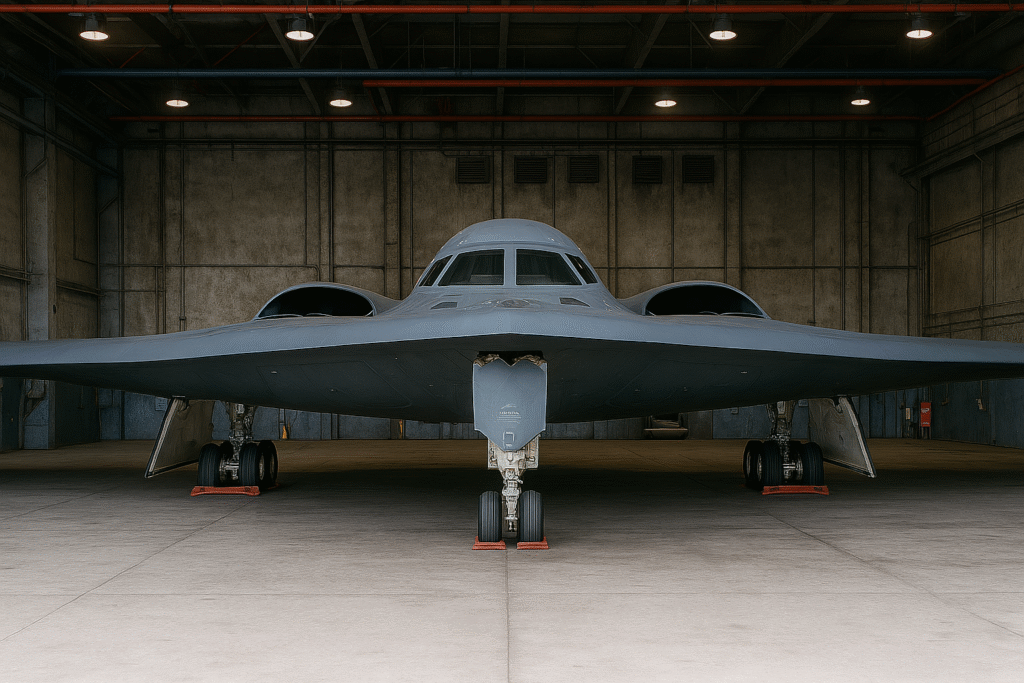
The B2 Spirit bomber, which is more popularly known as the B2 stealth bomber, is one of the most sophisticated and well-known planes in the world. Northrop Grumman made the B2 for the US Air Force. It was built during the Cold War to get through thick anti-aircraft defenses and drop both regular and nuclear bombs deep into enemy territory. B2 stealth bomber how long carry payload capacityThe B2 is still an important part of the US’s strategic bombing capability because of its unique flying wing design and stealth qualities that let it avoid radar. In this essay, we look at the B2 bomber’s speed, cargo capacity, and flying heights, as well as how these attributes make it so versatile and effective.B2 stealth bomber how long carry payload capacity

B2 stealth bomber how long carry payload capacity

Speed Capabilities

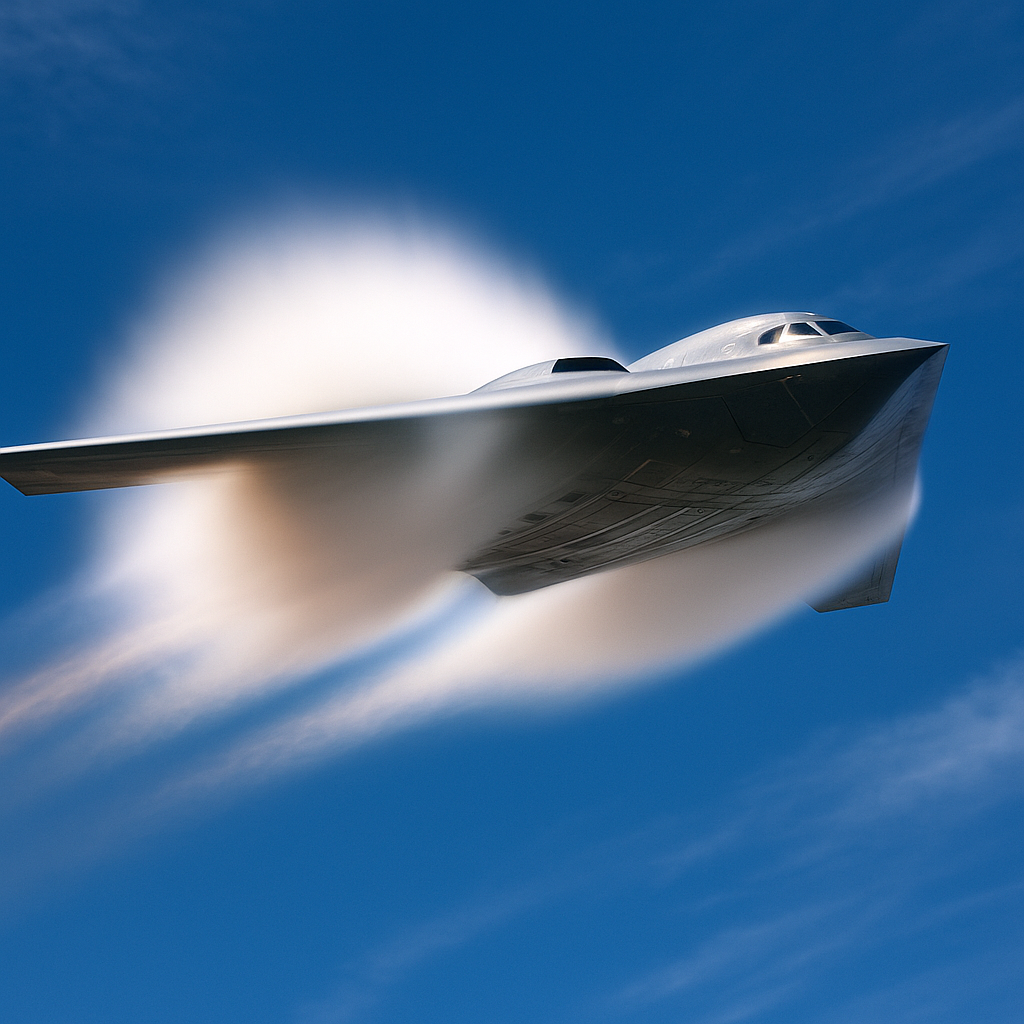
The B2 Spirit isn’t meant to be a fast plane like other fighter jets. Its peak speed is only 628 miles per hour, or Mach 095. This speed, which is below the speed of sound, may appear modest compared to supersonic planes like the F22 Raptor or the SR71 Blackbird, which is no longer in service. The B2 was never meant to rely on speed for preventing detection or threats. Instead, its strength comes from its disguised design and the fact that it can completely avoid radar. Its engines are hidden below the wing structure, and the airframe is covered in materials that absorb radar signals, making it almost impossible for radar systems to find it. The B2 also lowers the heat signature how infrared tracking devices might be able to pick up by and fly at subsonic speeds.B2 stealth bomber how long carry payload capacity

B2 stealth bomber how long carry payload capacity

Although not meant for dogfights or fast strike missions the B2’s speed is suitable for long range strategic operations It allows the aircraft to keep a consistent speed across global distances while staying concealed from hostile radar The slower speed also adds to increased fuel economy which lets the B2 achieve its exceptional long range mission profiles without the need for periodic refueling

Payload Capacity

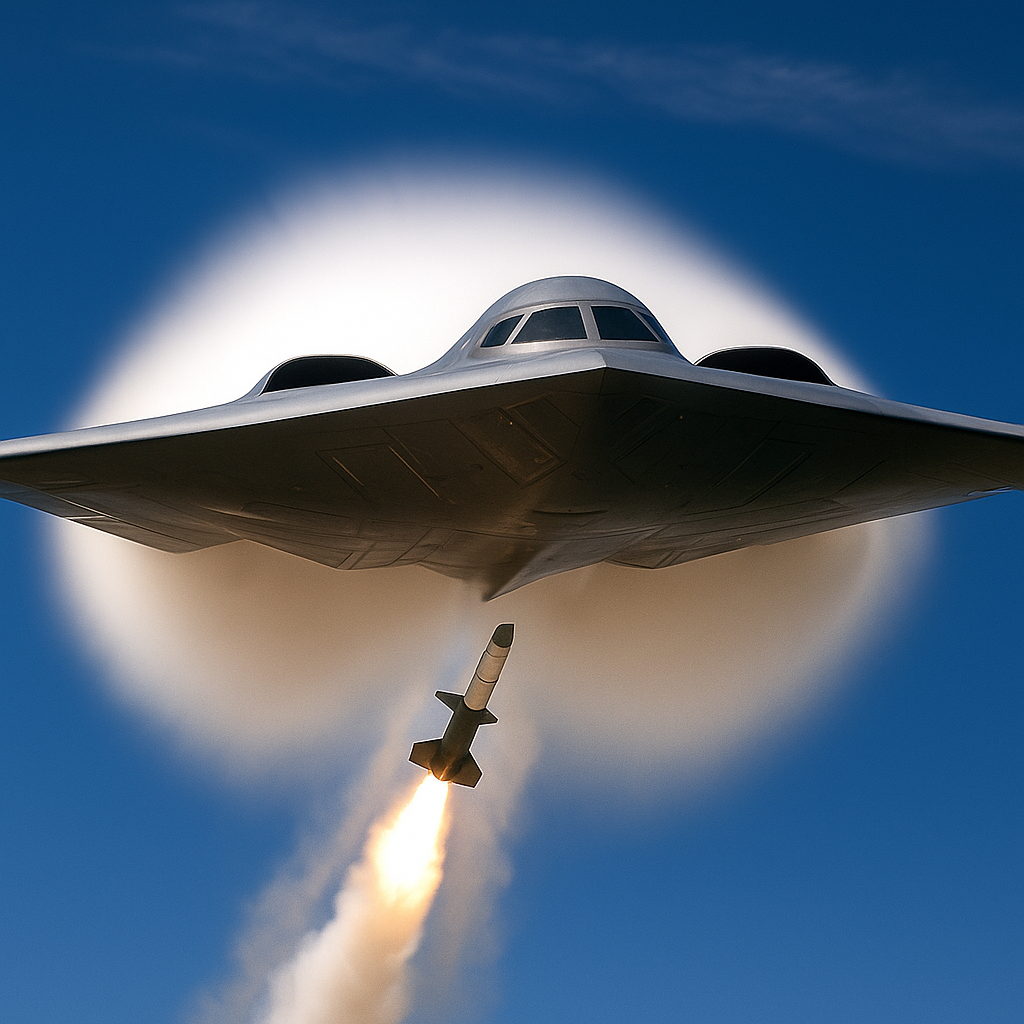
One of the most amazing aspects of the B2 Spirit is its large payload capacity The bomber is capable of carrying up to 40000 pounds of weaponry which includes both conventional and nuclear weapons This makes it one of the most powerful bombers in terms of firepower in the world today
The B2 features two internal bomb bays that hold a broad range of ordnance For conventional missions the aircraft may carry precision guided bombs such as the Joint Direct Attack Munition JDAM 2000 pound class bombs and smaller smart bombs targeted for tactical attacks For nuclear missions the B2 is designed to carry B61 and B83 nuclear bombs The internal carrying of all these weaponry helps maintain the aircraft’s stealth profile since nothing protrudes from the fuselage to give away its radar signature
Flexibility is a fundamental benefit of the B2’s payload system It can be easily changed to meet different mission types whether it’s a big yield hit on enemy facilities or a more surgical operation employing smart weaponry This flexible payload capacity enables the aircraft to act as a multi function bomber across a broad spectrum of combat scenarios

Flying Heights

The B2 flies at altitudes up to 50000 feet which allows it to stay above most weather systems and escape low altitude threats such as small arms fire or short range air defense systems Flying at such high altitudes boosts the aircraft’s survivability and enables for economical fuel usage on lengthy trips

B2 stealth bomber how long carry payload capacity


Its service ceiling also plays a crucial part in its stealth capabilities High altitude flying lowers the angle and strength of radar emissions that may otherwise identify and track the bomber Combined with its radar absorbent cover and distinctive design this altitude advantage makes the B2 one of the most elusive aircraft ever

The B2’s average cruising altitude during missions may vary based on the severity of the threat and the target location For deep penetration operations into heavily guarded locations the aircraft may fly at different altitudes to evade detection periodically flying at lower levels for brief intervals before climbing again to safer heights This altitude agility mixed with modern avionics and mission planning systems makes it extremely adaptable to real time combat dynamics

Long Range Global Reach

The B2’s flying range and endurance match its speed payload and altitude capabilities Without aerial refueling it has a range of around 6000 nautical miles With in flight refueling the B2 can increase its range substantially making it capable of global attack missions from bases within the continental United States This worldwide reach implies that the US may project power anywhere in the world without having forward deployed airbases which are increasingly vulnerable in modern conflicts

During Operation Allied Force in 1999 B2s traveled from Whiteman Air Force Base in Missouri to Serbia and returned over 30 hours of uninterrupted flying This highlighted the bomber’s capacity to execute accurate attacks across the world with minimum notice Such endurance is made feasible by a crew of two one pilot and one mission commander who operate together utilizing modern systems for navigation weapons deployment and defensive measures

Conclusion

The B2 Spirit fighter symbolizes the pinnacle of undercover Bombers technology combining subsonic speed with long range resilience high altitude capabilities and a big payload capacity While not the quickest aircraft in the skies it does not need to be its stealth construction enables it to evade discovery altogether With the capacity to carry both

conventional and nuclear bombs fly at high heights up to 50000 feet and operate across continents without relying on foreign bases the B2 remains a strong emblem of strategic deterrence and American air superiority As technology progresses the B2 continues to receive modifications that guarantee it stays relevant dangerous and undetectable long into the 21st century

High-Speed Depron Delta Wing RC Plane

High-Speed Depron Delta Wing RC Plane

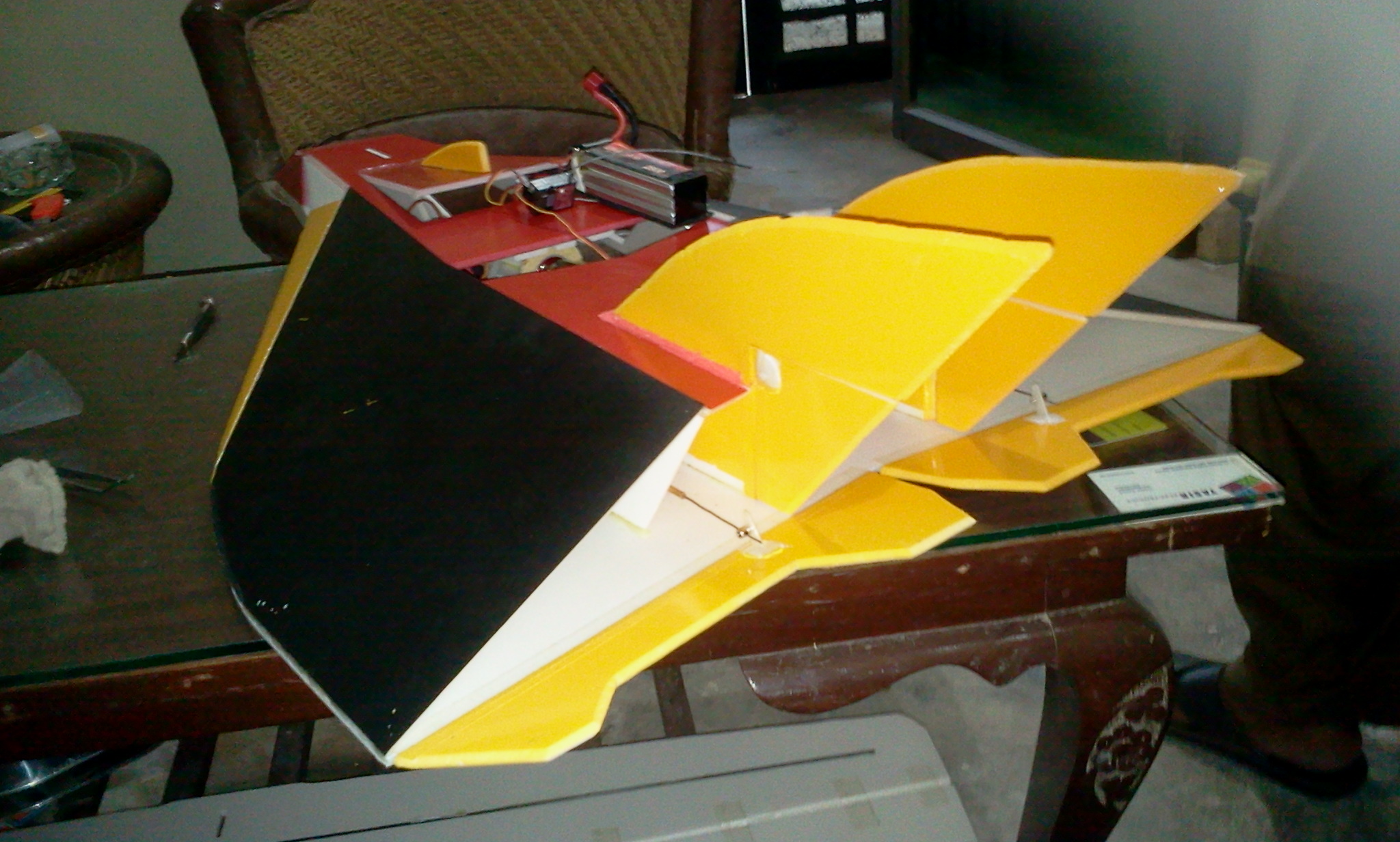
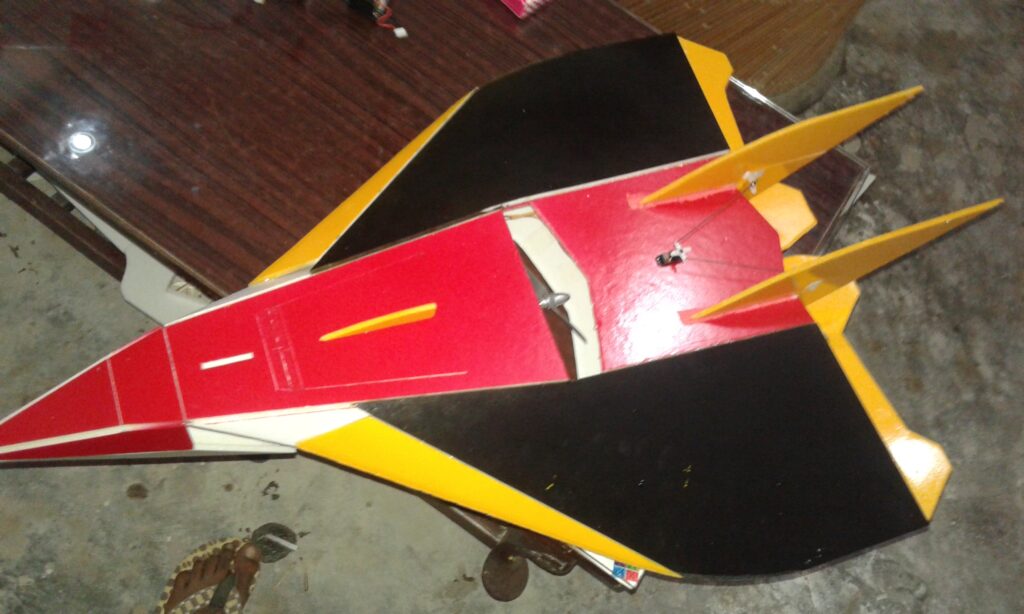
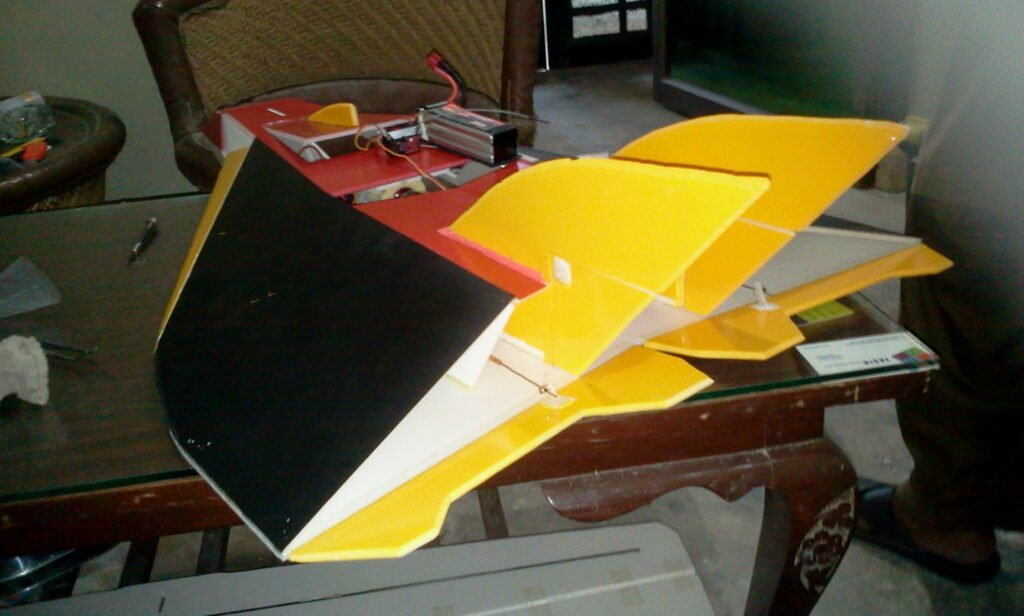
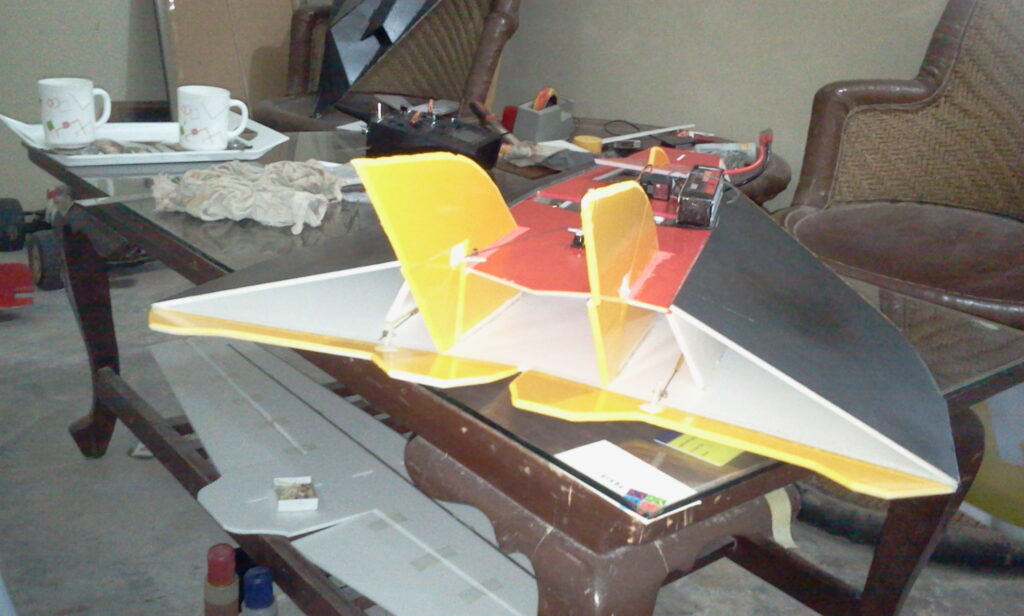
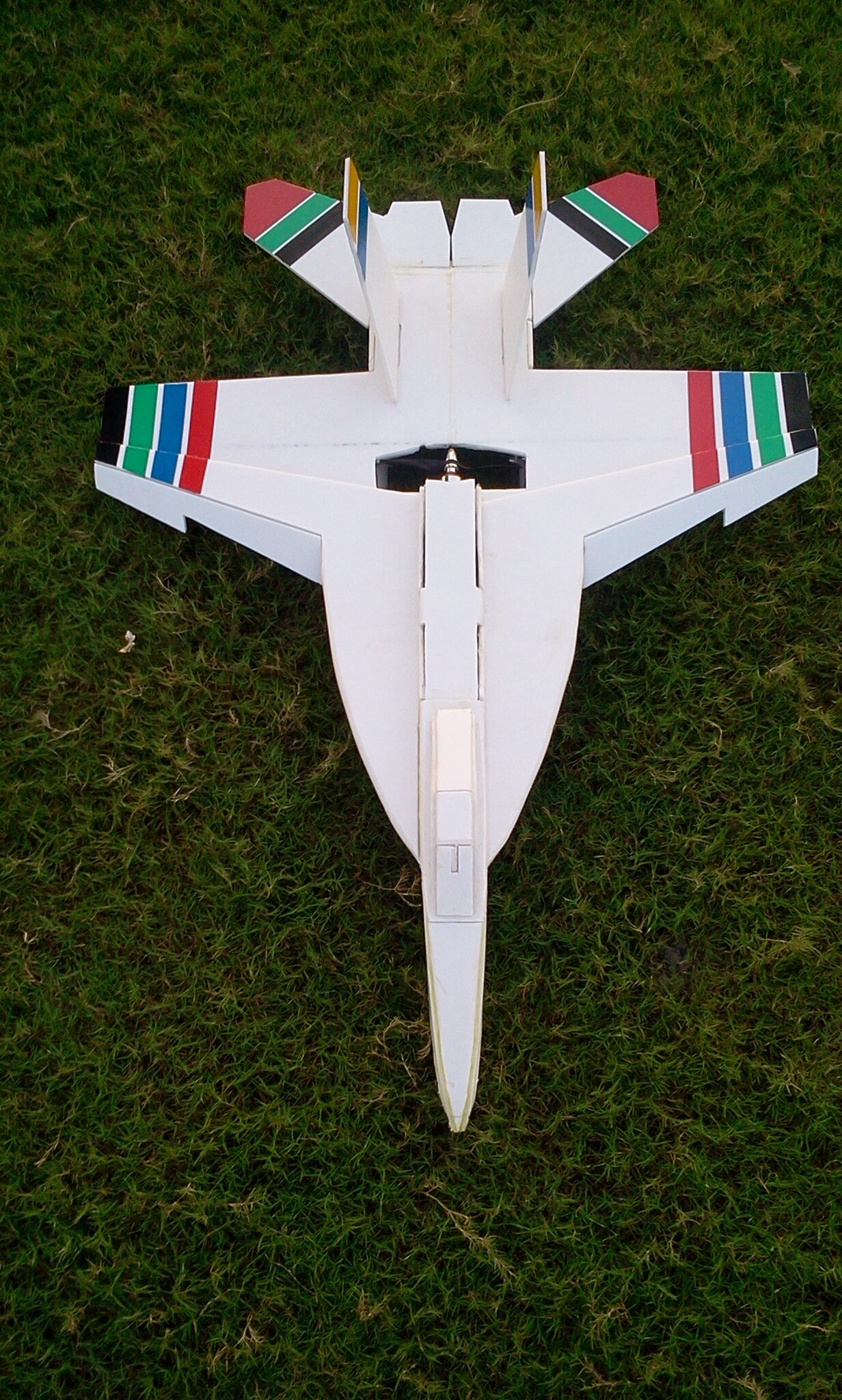
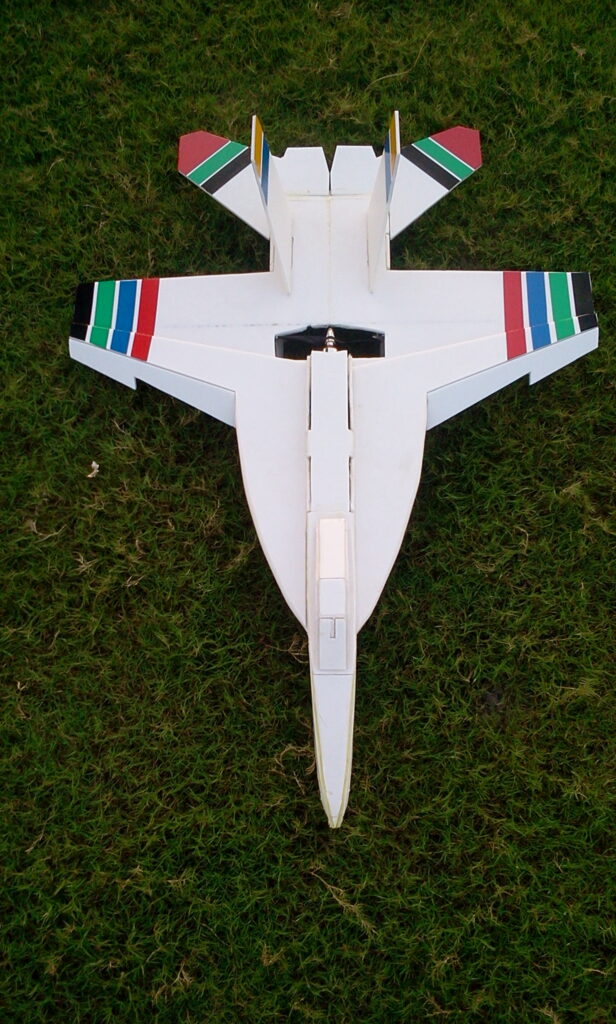
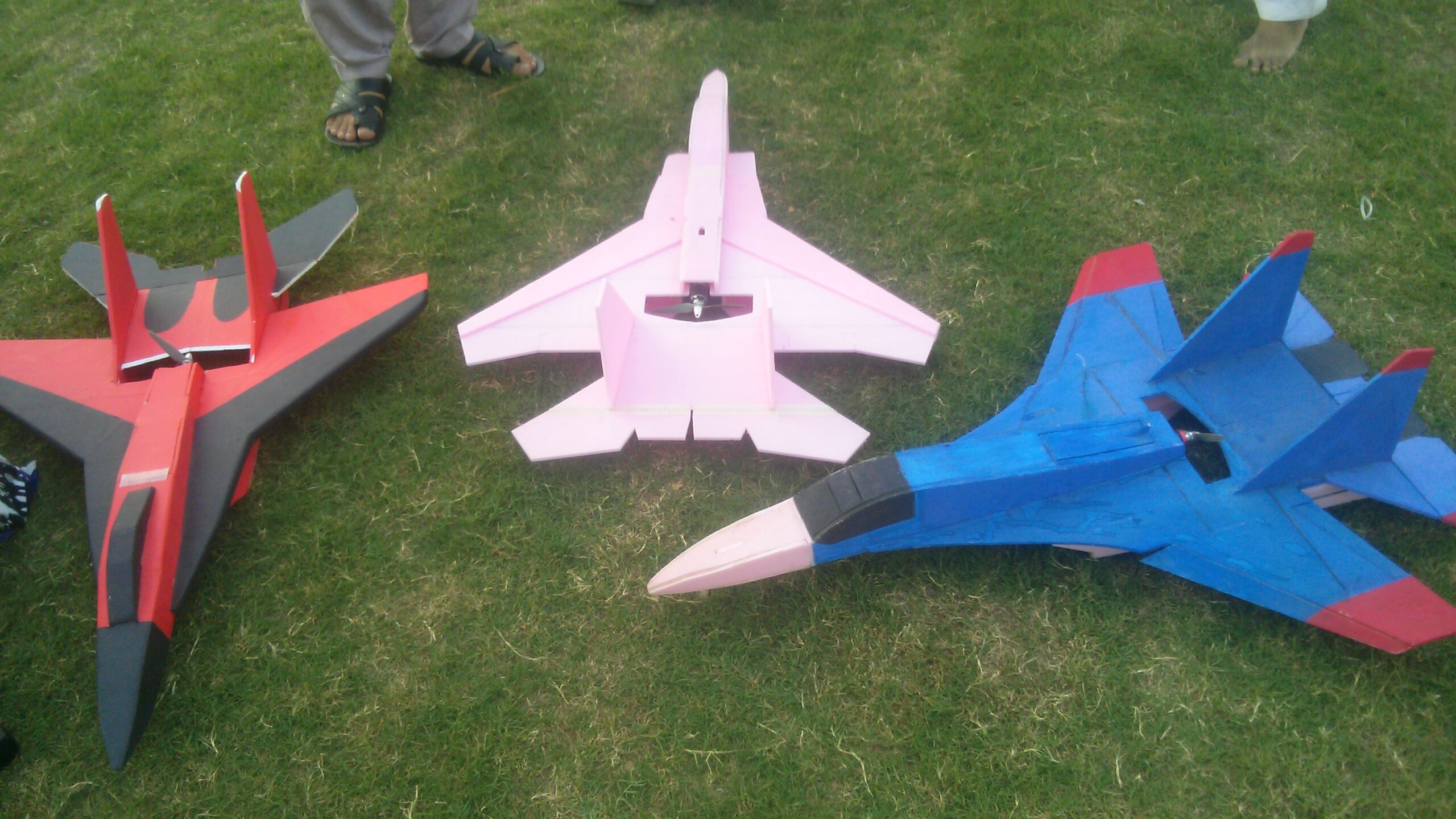
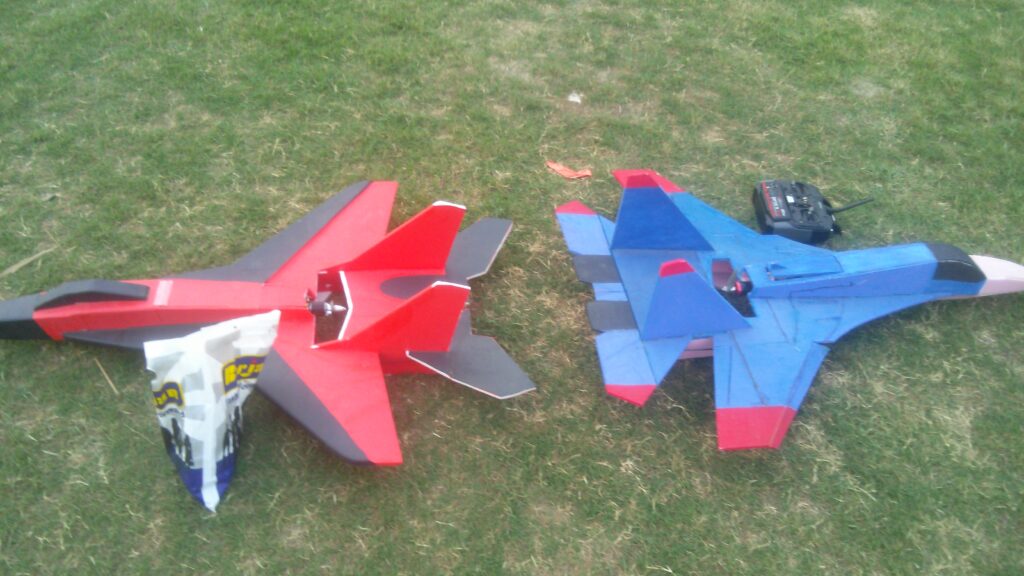
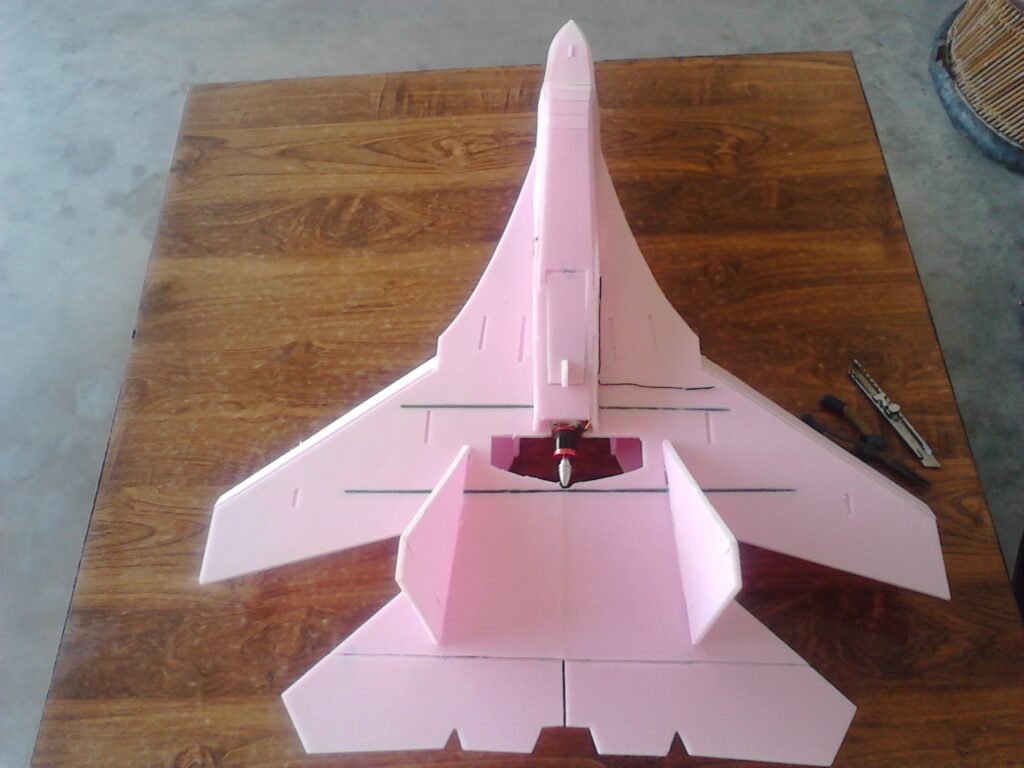
Radio-controlled RC planes have become a fun and creative pastime for people all over the world. People create everything from old-fashioned propeller planes to high-tech jet models. Among the most popular and beginner-friendly designs is the delta-wing RC model a unique aircraft noted for its sleek triangular form and high-speed capabilities The model depicted in the image is a wonderful example of a scratch-built or bespoke delta-wing RC jet created from 6mm Depron foam a lightweight material suited for producing nimble and durable flying machines.High-Speed Depron Delta Wing RC Plane

High-Speed Depron Delta Wing RC Plane

This specific model includes a sharply pointed nose large delta-shaped wings twin vertical stabilizers and a rear-mounted brushless motor in a pusher configuration These attributes are not only for show each design option contributes to the aircraft’s aerodynamic stability maneuverability and high-speed flying capability With reduced drag and a lightweight structure delta-wing planes like this one excel in quick straight-line flight and spectacular stunt capabilities High-Speed Depron Delta Wing RC Plane

One of the striking qualities

of this model is its build Depron foam is a type of extruded polystyrene foam with closed cells that is both light and strong. It lets enthusiasts design sturdy airframes while keeping the total weight low, which is important for battery life and flying efficiency. Builders often employ 6mm sheets for the main construction and 3mm for control surfaces or detailing The model in the photograph clearly exhibits excellent craftsmanship with neatly cut foam parts sharp corners and a smooth finish owing to its colored vinyl or paint detailing

High-Speed Depron Delta Wing RC Plane

This aircraft also features a pusher motor layout

where the motor is situated behind the center of gravity and pushes the plane forward rather than pulling it from the front This design is widespread in delta-wing planes and has a lot of advantages. It helps maintain a clean aerodynamic profile at the front minimizes the danger of propeller damage during landings and offers simpler access to electronics for maintenance The engine in the shot is installed firmly on a motor mount possibly driving a high-RPM propeller designed for speed High-Speed Depron Delta Wing RC Plane

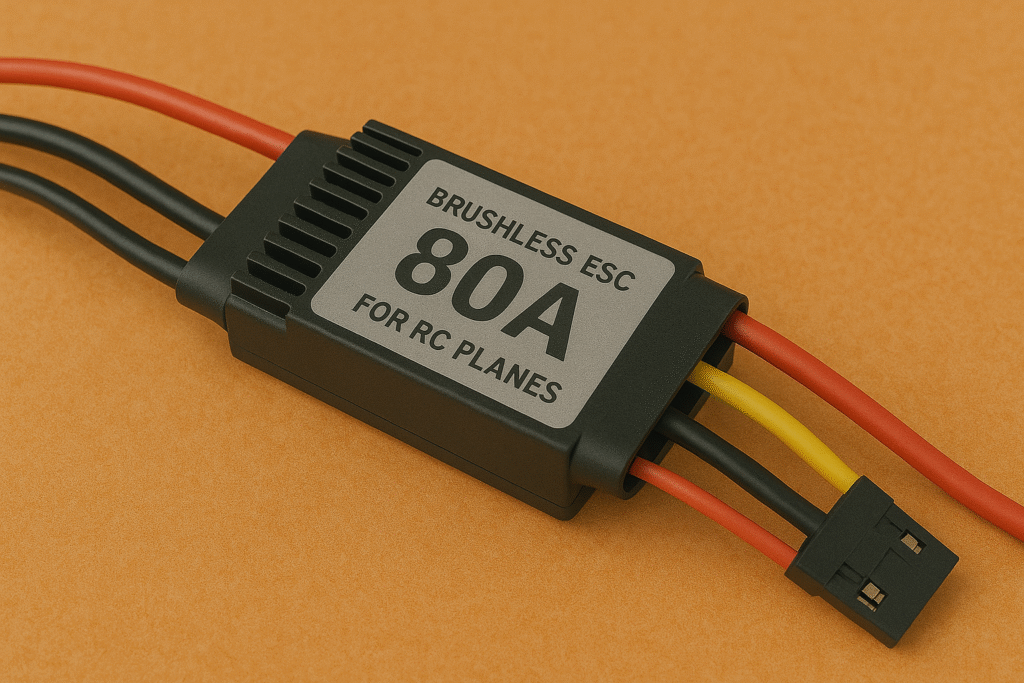
Control on this delta-wing aircraft is likely done using elevons a combination control surface that works as both elevator and aileron This is a conventional layout for flying wing designs when there is no separate tail or rudder The twin vertical fins aid with directional stability reducing undesirable yaw during rapid flight Servos incorporated in the wing control the elevons and the central electronics bay housing the ESC electronic speed controller receiver and maybe a tiny flight stabilization system

Another item worth highlighting is the model’s bright and contrasting color scheme brilliant red yellow and black portions with white underlayers This not only boosts the visual attractiveness of the airplane but also provides a utilitarian function High-contrast colors assist pilots retain direction during rapid or distance flight assuring they can readily identify top from bottom or left from right even at a glance

When it comes to performance these sorts of vehicles may give amazing flight With a lightweight structure and strong motor this plane is capable of quick passes loops rolls and even inverted flying depending on the ability of the pilot The streamlined design minimizes drag enabling for high-speed flying and smooth gliding A common configuration would employ a 2200–3000 kV brushless motor a 30A ESC and a 3S or 4S LiPo battery depending on the builder’s performance objectives

One of the reasons delta-wing RC planes are liked by builders is their ease of building Unlike more complex scale models that require landing gear numerous control surfaces and interior frame a delta-wing aircraft may easily be made in a matter of hours with simply foam glue a motor kit and basic electronics This makes it a popular among both novices and expert pilots looking for a quick fun park flyer

In conclusions the delta wing The RC model exhibited is a superb illustration of creative ability and efficiency in the realm of foam RC aircraft With its crisp design efficient architecture and strong style it delivers a thrilling and gratifying experience for every RC enthusiast Whether flown for velocity aerobatics or simply the thrill of making and piloting something handcrafted this style of model remains an ever-popular choice in the RC flying community

High-Speed Depron Delta Wing RC Plane

FA18 Super Hornet RC Model Using 6mm Depron

FA18 Super Hornet RC Model Using 6mm Depron

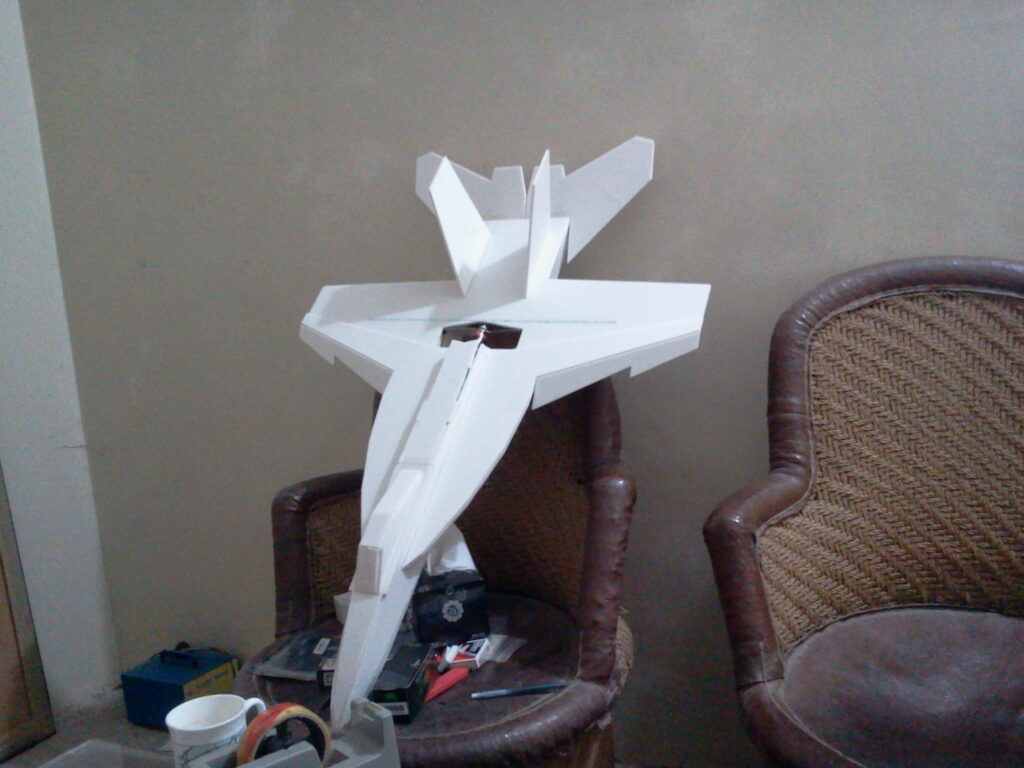
The FA18 Super Hornet is a twinengine multirole fighter notable for its agility speed and elegant design It is a popular among aviation fans and RC builders alike If you are an RC aircraft fan wishing to reproduce this legendary jet constructing it using 6mm Depron foam is a good alternative Depron is lightweight easy to cut and shape and sturdy enough to handle moderatespeed flight—making it suitable for EDF jets and scale modelers

Why Choose the FA18 Super Hornet

The Super Hornet stands out for its twin vertical stabilizers sharp wing shape and intricate fuselage Its large wings and balanced form make it stable in the air while still allowing for outstanding aerobatics As an RC model it offers a nice balance of scale look and flight capability whether powered by EDF Electric Ducted Fan units or a basic pusher prop arrangement

Materials Why 6mm Depron Foam

FA18 Super Hornet RC Model Using 6mm Depron

6mm Depron foam is the most widely used important in scratchbuilt RC aircraft It is

Lightweight decreases the wing putting enhancing flying time and handling

Strong and flexible Offers good longevity for novice and intermediate pilots

Easy to cut and glue Speeds up the construction process

Smooth surface Perfect for painting and detailing

For an FA18 construction the 6mm thickness offers appropriate strength for both the airframe and control surfaces while keeping the plane light enough for electric propulsion

Design and Construction Tips

Design and Construction Tips 1 Blueprint and Dimensions
Start with a scaled blueprint or design of the FA18 You may find free designs online or make your own using CAD tools A wingspan of 700mm to 1000mm is perfect for park flying and EDF compatibility

2 Fuselage and Wing Layout Use a central fuselage spine and bulkheads for strength The main wing and stabilizers should be fashioned out of flat 6mm Depron sheets and strengthened with carbon rods or flat spars to avoid bending during flight

3 Jet Intakes and Exhausts
For realism you may form small jet intakes from Depron or foamboard and place an EDF unit generally 64mm to 70mm inside the rear fuselage If you prefer simplicity a rearmounted pusher motor is also an option

4 Vertical Stabilizers and Canards
The twin tails of the FA18 are one of its distinguishing characteristics These may be created from cut Depron sheets reinforced with BBQ skewers or light wood strips for increased strength

5 Landing Gear Optional
Depending on your construction you may make it bellylanding or install basic fixed landing gear utilizing lightweight wire and foam wheels

Electronics Setup

FA18 Super Hornet RC Model Using 6mm Depron

EDF or Brushless Motor 64mm EDF or a 2200KV brushless motor with a 6×4 prop for pusher arrangement

ESC 40A to 60A depending on your power system

download FA18 Super Hornet RC Model Using 6mm Depron plans pdf here

Battery 3S 2200mAh LiPo for moderate thrust and decent flying time

Servos 9g mini servos for elevator aileron and rudder control

Receiver 4 to 6 channel depending on the control arrangement

Flight Performance

A wellbuilt FA18 Depron jet can deliver

Stable flying and simple handling

Sharp roll and pitch response

Moderate speed with 3S configuration or high speed with 4S and a strong EDF

Impressive low passes and twists owing to its delta wing stability

It is advisable to maiden the model on a quiet day and launch by hand or utilize a smooth surface for takeoff if gear is equipped Use expo settings on your transmitter to smooth out control input for improved handling

Final Thoughts

Building an RC FA18 Super Hornet from 6mm Depron is a wonderful undertaking for any model aircraft enthusiast It mixes the exhilaration of flying a jet with the inventiveness of scratchbuilding Whether you are searching for a truetoscale model or a performancefocused flier Depron makes it accessible and inexpensive With little work and careful design your FA18 will be turning heads at the local field in no time

The Boeing 747: A Marvel of Aviation Engineering

The Boeing 747: A Marvel of Aviation Engineering

These numbers made the 747 perfect for transcontinental and transoceanic flight

Table of Contents

  1. Introduction
  2. History and Development
  3. Design and Features
  4. Variants of the Boeing 747
  5. Performance and Specifications
  6. Role in Commercial Aviation
  7. Cargo and Military Use
  8. Retirement and Legacy
  9. Conclusion

1. Introduction

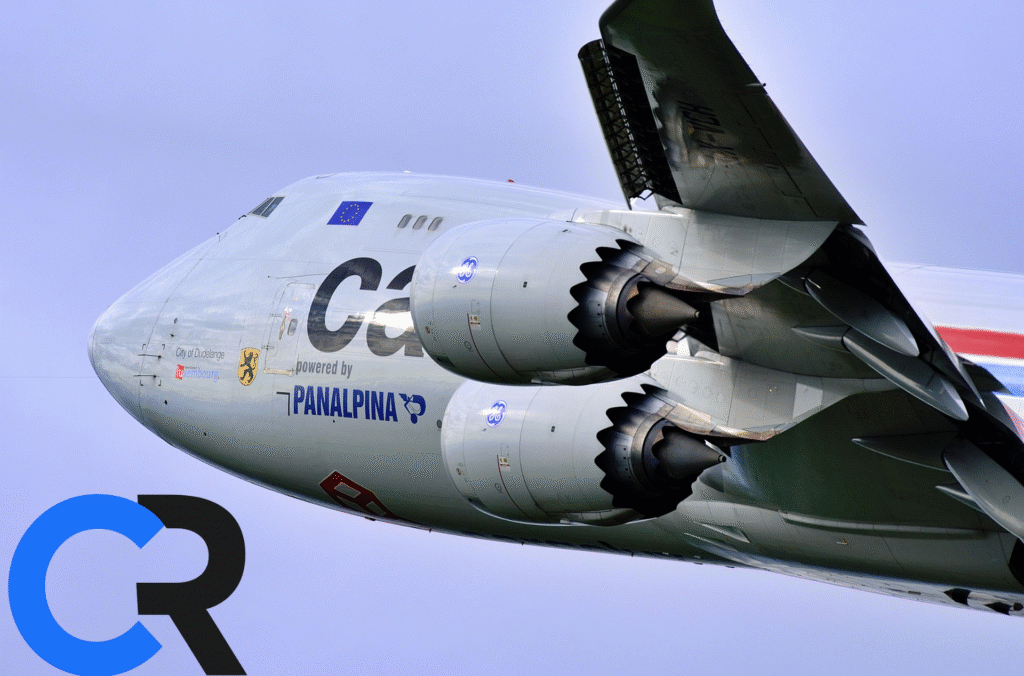
The Boeing 747, the “Queen of the Skies,” is one of the most iconic aircraft in history. Introduced in the late 60s it changed air travel forever with its size, range and capacity. For over 50 years the 747 has served commercial airlines, military forces and cargo carriers around the world.The Boeing 747: A Marvel of Aviation Engineering


2. History and Development

The story of the Boeing 747 began in the 60s when Pan American World Airways (Pan Am) asked for a bigger aircraft to meet the growing demand for international travel. Boeing, which had been focused on military and smaller commercial aircraft, took on the challenge. The Boeing 747: A Marvel of Aviation Engineering

The first Boeing 747-100 rolled out on September 30, 1968 and first flight was on February 9, 1969. It entered commercial service with Pan Am on January 22, 1970 on the New York–London route. The aircraft was a huge success and Boeing dominated long haul commercial aviation for decades.


3. Design and Features

The Boeing 747: A Marvel of Aviation Engineering

The Boeing 747 was the world’s first wide body “jumbo jet.” Key features include:

  • Double deck: The hump that houses the upper deck.
  • Four engines: General Electric, Pratt & Whitney or Rolls-Royce turbofans.
  • Long fuselage: Designed to carry hundreds of passengers or massive cargo.
  • Advanced avionics: For its time the 747 had new navigation and safety systems.

The upper deck was initially a lounge for first class passengers, later converted to extra seating in later variants.


4. Variants of the Boeing 747

Throughout its production life Boeing produced several variants of the 747, each an improvement on the previous one. Major models include:

  • 747-100: The original with a short upper deck.* 747-200: Upgraded engines and more range.* 747-300: Stretched upper deck and more capacity.* 747-400: Introduced in 1989, it became the most popular with more range, winglets and glass cockpit.
  • 747-8: The latest and largest, introduced in 2012 with modern engines and new materials.

Each was used in both passenger and cargo config with custom versions for specific needs.


5. Performance and Specifications

The Boeing 747: A Marvel of Aviation Engineering
www.cyberrised.com

Here are the specs for the 747-400, the most common model:

Boeing 747-400Maximum Takeoff Weight875,000 lbs (396,890 kg)Range7,260 nautical miles (13,450 km)Passenger Capacity~416 (3-class), up to 660 (1-class)Cruising SpeedMach 0.85 (567 mph / 913 km/h)Engines4 × General Electric CF6-80C2 or equivalentWingspan211 ft 5 in (64.4 m)Length231 ft 10 in (70.7 m)

These numbers made the 747 perfect for transcontinental and transoceanic flight.

6. Commercial Aviation

The 747 made international travel more affordable per seat-mile. Airlines like British Airways, Lufthansa and Singapore Airlines used it for their long haul routes. It also contributed to the tourism and business travel boom of the late 20th century.

Many airlines — including United, Delta and British Airways — have retired their 747s. It’s hard to say goodbye. For decades the 747 was the plane of adventure, luxury and possibility.

The Legacy Lives On

Even though fewer 747s are flying passengers these days the plane’s legacy is everywhere. It made air travel affordable for millions of people. It shrunk the world and made international vacations and business trips part of everyday life.

And let’s face it: no other plane looks like it. That hump, the size — it’s a design that aviation geeks will never get tired of.

The Final Word

The Boeing 747 is more than a machine. It’s a piece of history, a symbol of how far we’ve come. It brought people together, carried presidents, delivered life saving cargo and gave us all a glimpse of what flying could really be.

It may be flying less often but it will never be forgotten.


EPP RC Eagle V2 plans 3d full model making information

EPP Eagle V2
The EPP eagle is a beautiful bird that is a joy to see. From a distance, people could think it’s a genuine eagle until you do some loops and aileron rolls. The EPP eagle can be a calm bird that flies high or a fierce predator that can do flips and rolls. You may set it up as a V-tail configuration with the 4 servos that come with it, or you can carve ailerons into the wings and add the extra servos to form a 4-channel system. The EPP Eagle comes as an ARF kit including servos, leads, an ESC, a motor, a propeller, and connectors. You only need to bring your receiver and battery

EPP RC Eagle V2 plans 3d full model making information

Aircraft parameters

The wingspan is 120 cm.
The longest chord can be 270 mm.
Empty Weight 200 grams
Takeoff Weight 460-520 grams
Motor: 2205 1650Kv
Battery 2150mah 2S (recommended)
COG: 60mm from leading edge leads, ESC, Motor, Propeller and connections.

NOTE: The supplied motor is suitable for 2S
battery packs only. Running it with a 3S battery
pack will damage the motor.

EPP RC Eagle V2 plans 3d full model making information

Kit InclusionsEPP Eagle V2
Motor: 22085KV1650 2S
Prop Saver: To fit motor
Propeller: SF 8038
ESC: Emax 20 AMP Simon Series
4 Servos: Emax ES08AII 9 Gram
1 V-Tail Mixer
1 Servo reverser
2 x Servo Splitter leads
Control Linkages and Pushrods
Rubber bands
Airframe and all accessories.https://rcplanes3d.xyz/EPP RC Eagle V2 plans 3d full model making information

EPP RC Eagle V2 plans 3d full model making information
Two pieces of strengthening wood are provided to be glued inside the beak area at the front.EPP Eagle V2
Glue the glass fibre wing supports in place and insert the two rods for attaching the rubber bands
The image below shows how the bottom panel is attached. Glue it in place with both the sideswww.rcplanes3d.xyz

Glue the two motor mount boards together leaving an even gap around the edges. Then mark out
and drill your motor mount holesEPP Eagle V2

Glue the two motor mount boards together leaving an even gap around the edges. Then mark out
and drill your motor mount holes

Trim the area of the bottom sheet that overlaps to make it level with the sides. EPP Eagle V2
Glue in your motor mount. The U shaped hole for the wires goes to the bottom and the recess around the motor mount goes to the front to match perfectly with the two pieces of board already attached to the interior of the fuselage. Pin the bottom section under the beak while drying to ensure it doesn’t fall away from the curved surface

Glue the two additional pieces of EPP foam firmly up against the rear of the motor mount

Mount the motor and connect up the ESC. Then glue on the front cover. The best place to position
the ESC is in this front compartment under the cooling gapsEPP Eagle V2

Attach the Velcro to the bottom of the plane as well as to the bottom of the battery. Space them
out so you have an option to move the battery back and forward to get the CoG correctEPP Eagle V2

Glue on the wing tips. (black wingtip version shown here). Use a black felt pen to colour in glu

complete model https://cybotech.xyz/

servo Allinge

Use the copper wire pushrods for the ailerons. Servo apertures on the wings are large enough to allow servos to be mounted either way. Check the direction of travel of your servos and modify as needed before gluing the servos in.
Cover the servos with black electrical tape or clear Blenderm tape.
This depends depend on how you wish to fly your toy. We’ve included all the components you may possible need such as servo Y splitter leads , servo reverser and v-tail mixer. Depending on your chosen setup you may not need to use all these parts. See the examples below which offer you detailed instructions for each setup, and choose the ideal choice for your needs.
Setup 1 V-tail operated with rudder and elevator sticks – ailerons separate (Programmable Transmitter Required)
For this configuration you will need a transmitter with V-Tail mixing and servo reversing functionality.
The rear fins act as a V-Tail arrangement. One servo is linked to each fin control surface and rudder and elevator inputs are combined. Turning can be performed using the rudder stick on the transmitter and elevators function as normal.
Additionally, the ailerons can be employed for banking. This arrangement provides you the best of both worlds allowing you to use rudder for smooth gentle realistic turns, while pulling in the ailerons for more airplane like movements .
Use the exact arrangement as indicated below and take note of the direction the servos are positioned as well as where each servo is linked. Also use a Y splitter cable to connect your aileron servos In the wings to the aileron plug on the receiver

Setting up your electronics.
This depends depend on how you wish to fly your bird. We’ve included all the components you may possibly need such as servo Y splitter leads , servo reverser and v-tail mixer. Depending on your chosen setup you may not need to use all these parts. See the examples below which offer you complete instructions for each setup, and choose the optimal option for your needs.
Setup 1 V-tail operated with rudder and elevator sticks – ailerons separate (Programmable Transmitter Required)
For this configuration you will need a transmitter with V-Tail mixing and servo reversing functionality.
The rear fins act as a V-Tail layout. One servo is coupled to each fin control surface and rudder and elevator inputs are combined. Turning can be performed using the rudder stick on the transmitter and elevators function as normal.


Additionally, the ailerons can be employed for banking. This arrangement provides you the best of both worlds allowing you to use rudder for smooth gentle realistic turns, while pulling in the ailerons for more airplane like movements .
Use the exact arrangement as indicated below and take note of the direction the servos are positioned as well as where each servo is linked. Also use a Y splitter cable to connect your aileron servos In the wings to the aileron plug on the receiver

https://cybotech.xyz

Motor and Prop

Congratulations, you’re ready to fly

Understanding Nitro Engines: Powering Performance in 2025

Understanding Nitro Engines: Powering Performance in Small Packages 2025
Understanding Nitro Engines: Powering Performance in 2025

Introduction

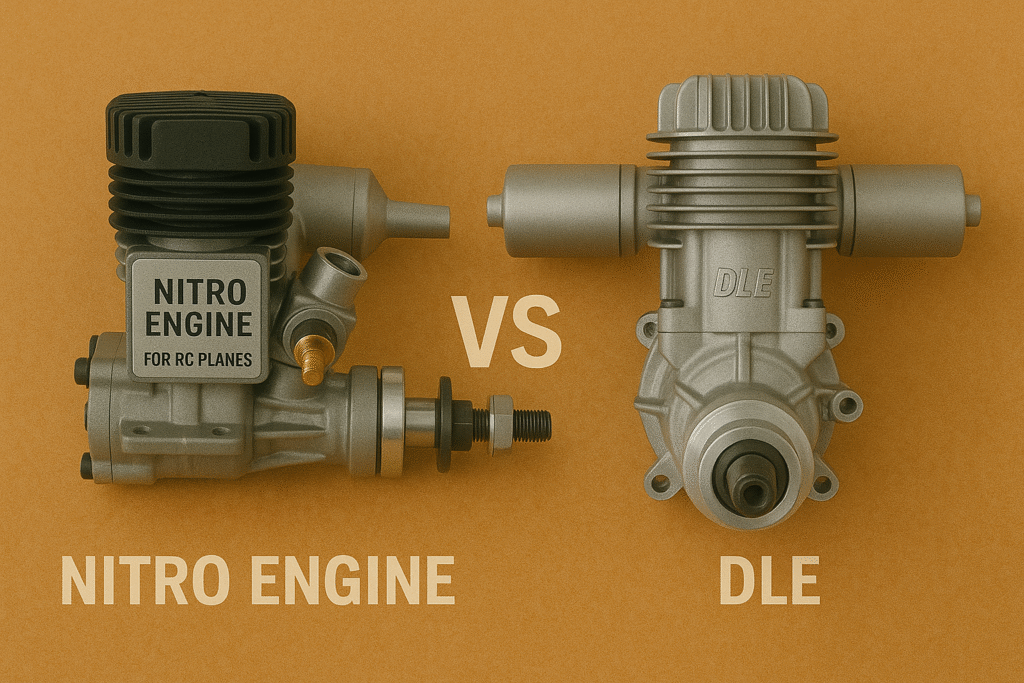
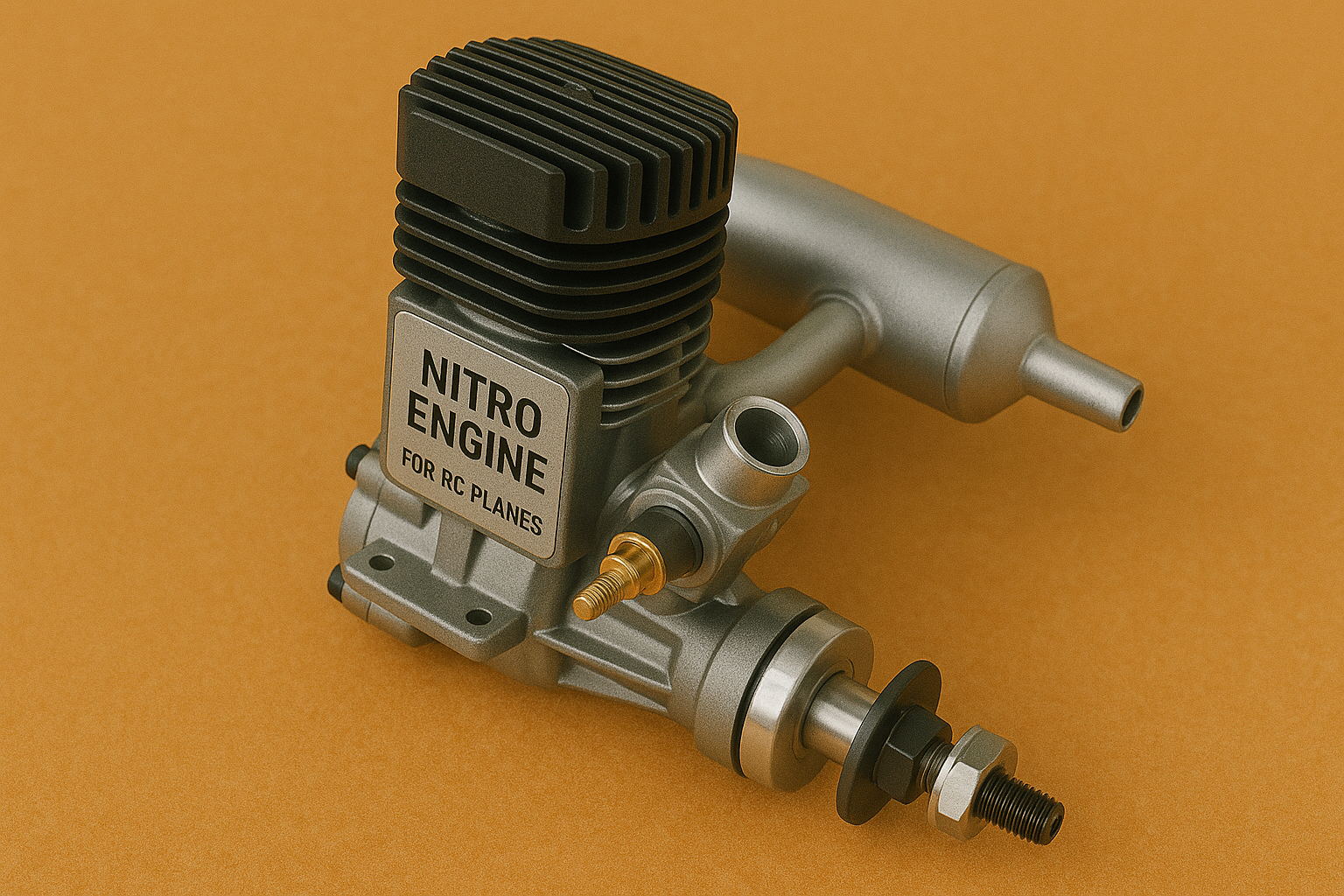
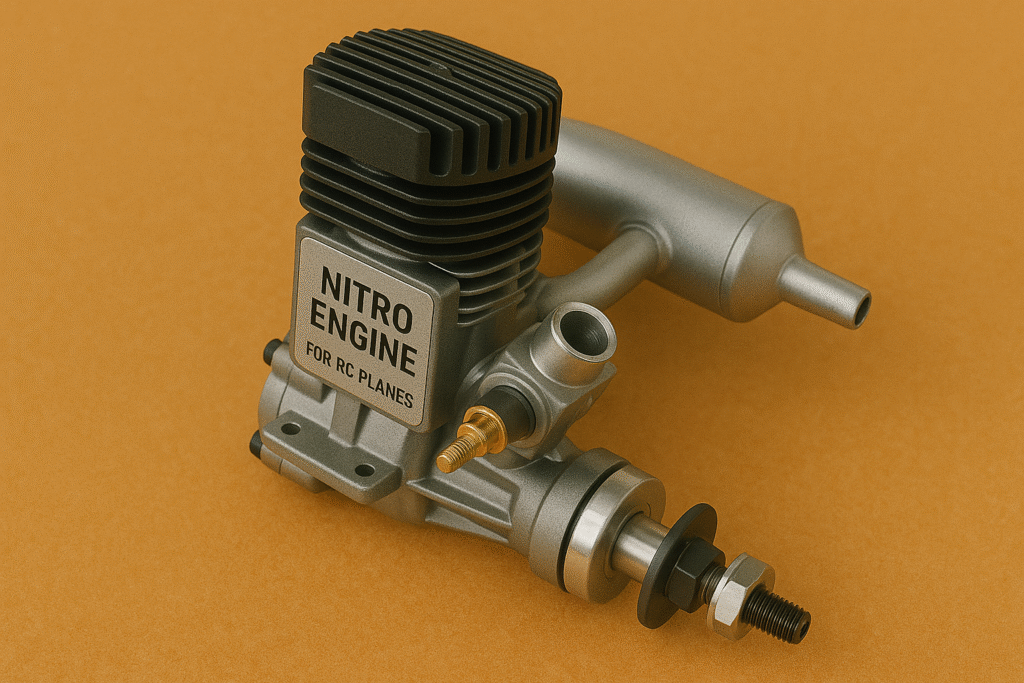
Nitro engines, commonly known as glow engines, are small internal combustion engines driven by a special fuel mixture with nitromethane. These engines are often used in radio-controlled vehicles, planes, helicopters and boats, and offer a unique mix of high performance, exciting sound and practical mechanical engagement.

What is a Nitro Engine?

A nitro engine is a type of two-stroke or four-stroke engine that burns fuels made from methanol, nitromethane, or oil (usually castal oil or synthetic lubricant). The term “nitro” refers to nitromethane, a flammable additive that increases engine power. The glow ones are electrically heated at the start and remain hot due to the heat of combustion, maintaining ignition throughout the motor operation.

How Does a Nitro Engine Work?

Here’s a simplified breakdown of how a two-stroke nitro engine operates:

  1. Fuel Intake: The carburetor mixes air and nitro fuel, pulling it into the combustion chamber.
  2. Compression and Ignition: The piston compresses the mixture. The glow plug ignites the compressed fuel.
  3. Combustion and Power Stroke: The explosion forces the piston downward, creating power.
  4. Exhaust and Scavenging: The upward motion of the piston forces out the exhaust gases and draws in fresh fuel for the next cycle.

This cycle repeats rapidly, producing thousands of revolutions per minute (RPM), generating enough power to propel RC vehicles at high speeds.

Advantages of Nitro Engines

Understanding Nitro Engines: Powering Performance in 2025
  • Realistic Performance: The engine sound and exhaust smoke give a more authentic experience than electric motors.
  • High Power-to-Weight Ratio: Nitro engines are compact yet powerful.
  • Extended Run Time: Compared to electric motors, they can run longer with quick refueling.
  • Tuning Flexibility: Adjustable carburetors allow for precise performance tuning.

Common Applications

Understanding Nitro Engines: Powering Performance in 2025

Nitro engines are primarily found in:

  • RC Cars: For off-road and on-road racing enthusiasts.
  • RC Aircraft: Providing powerful thrust and long flight durations.
  • RC Boats: For competitive racing and recreational use.

Maintenance and Challenges

Despite their advantages, nitro engines require regular maintenance and tuning. Some common challenges include:

  • Starting Difficulties: Especially in cold weather.
  • Engine Tuning: Requires knowledge of fuel mixtures, needle valve adjustments, and temperature sensitivity.
  • Wear and Tear: Piston and sleeve wear over time, necessitating periodic replacement.

Conclusion

Nitro engines remain a favorite among RC enthusiasts who appreciate the mechanical complexity, tuning possibilities, and the visceral excitement they offer. While electric motors are popular for their simplicity and low maintenance, nitro engines continue to thrive in congregations that appreciate blankets and actual participation.

https:rcplanes3d.xyzhttps://rcplanes3d.xyz/

🧪 Fuel and Glow Plug First

Before tuning, make sure:

  • You’re using the correct fuel (e.g., 20% nitro, 12–18% oil content).
  • You have a working glow plug suitable for your engine and weather.
  • The engine is fully broken in. Do not fully tune a brand-new engine until after break-in.

🔩 Carburetor Basics

A nitro engine typically has 3 carburetor adjustments:

Screw TypeFunction
High-Speed Needle (HSN)Controls fuel at high RPM/full throttle
Low-Speed Needle (LSN)Controls fuel at idle/low RPM
Idle ScrewSets throttle barrel opening at idle

⚙️ Factory Starting Point

Always start tuning from the factory baseline:

  • High-Speed Needle: 2.5 to 3 turns out from fully closed
  • Low-Speed Needle: Flush with the collar (or as specified by the manual)
  • Idle Screw: Open throttle gap to about 1mm

Do not overtighten any needles! Turn them gently until seated, then back them out.


🔥 Break-In Settings (Rich)

  • HSN: Open (rich) to keep engine cool
  • LSN: Slightly rich to allow smooth transition
  • Keep temps around 200°F (93°C) during break-in
  • Let engine idle and rev gently for the first few tanks

🎯 Tuning Steps for Performance

1. High-Speed Needle Tuning

  • Run full throttle on a long straight.
  • If the engine bogs or slows, it’s too rich — turn HSN clockwise (lean).
  • If it screams then cuts out, it’s too lean — turn HSN counterclockwise (rich).
  • Proper tuning gives:
    • Strong top-end power
    • Thin smoke trail
    • Engine temps around 220–260°F (104–127°C)

2. Low-Speed Needle Tuning

  • Pinch the fuel line at idle:
    • If engine runs 3–4 seconds then revs, it’s rich (turn LSN in).
    • If engine instantly dies, it’s lean (turn LSN out).
  • Proper LSN tuning gives:
    • Crisp throttle response
    • Steady idle
    • No sputtering or flameouts on acceleration

3. Idle Speed Adjustment

  • Adjust the idle screw to maintain stable idle RPM.
  • Engine should not creep forward when idling (on cars).
  • Idle gap should be around 1mm in the carb opening.

🛠️ Quick Troubleshooting

IssueLikely CauseFix
Engine won’t startGlow plug bad, LSN too richReplace plug, lean LSN 1/8 turn
Engine overheatsHSN too leanRichen HSN (counterclockwise)
Sluggish accelerationLSN too richLean LSN slightly
Stalls on throttle inputLSN too leanRichen LSN slightly
Smoke is excessiveToo richLean HSN or LSN slightly
No smoke, engine screamsToo leanRichen needles immediat

How to build Depron model Lightweight Rc planes 2025

How to build Depron model Lightweight Rc planes 2025

How to build Depron model Lightweight Rc planes 2025

How to build this fomy model rc planes its very esay and lightweight flight

How to build Depron model Lightweight Rc planes

what is needs for build rc models

lipo battrey high discharge rate 11.1v 2500mah 30c 1
Esc electronic speed controller for moter 50amps1
Servo 8g 4
Receiver for transmeter1
Telementry and gps system optional2
How to build Deprons model Lightweight Rc planes
How to build Depron model Lightweight Rc planes 2025

https://rcplanes3d.xyz

Depron is foam based sheet thats its alternative of balsa wood Ultra-Lightweight: This is its superpower. Depron allows for incredibly light airframes, translating to slower flight speeds, gentler handling, and amazing glide performance.

Forget heavy balsa and complex fiberglass layups. In the vibrant world of radio-controlled aviation, Depron foam has carved out a unique and beloved niche, giving birth to a generation of accessible, versatile, and incredibly fun RC planes – affectionately known as Depron models.

Depron isn’t your average packing foam. It’s a specific type of closed-cell expanded polystyrene (EPS) sheet material, prized by RC modelers for its exceptional properties:

How to build Depron model Lightweight Rc planes

  • Ultra-Lightweight: This is its superpower. Depron allows for incredibly light airframes, translating to slower flight speeds, gentler handling, and amazing glide performance.
  • Easy to Work With: Cut it with a sharp hobby knife, snap it along scored lines, or shape it with a hot wire cutter. Depron is forgiving and requires minimal specialized tools compared to traditional materials.
  • Stiffness: While inherently flexible, Depron offers surprising rigidity for its weight, especially when used in stressed-skin designs or reinforced with lightweight spars (like carbon fiber rods).
  • Affordability: Depron sheets are relatively inexpensive, making experimentation and scratch-building financially accessible.
  • Paintability: It readily accepts acrylic paints, allowing for fantastic customization and visibility schemes.
  • Advanced uav used some more expensive equimpets for flight stability and improvement.

The Depron RC Plane Experience: Why Fly Foam?

How to build Depron model Lightweight Rc planes 2025
  • Accessibility for Beginners: Depron models are often the perfect entry point. Their slow flight characteristics give new pilots precious reaction time. Crashes, while never desirable, are usually far less catastrophic (and cheaper to repair!) than with heavier models. Simple “flat plate” designs are easy first builds.
  • Scratch-Builder’s Paradise: Depron is the ultimate material for bringing your own designs to life. Download free plans online (or sketch your own!), trace onto the foam, cut, glue, and fly. The barrier to creating a unique aircraft is remarkably low.
  • Indoor & Park Flying Champions: The light weight makes Depron planes ideal for flying in confined spaces – school gyms, community halls, or small local parks where noise and safety are concerns. Their slow, graceful flight is mesmerizing indoors.
  • Diverse Designs: While simple trainers abound, Depron’s versatility allows for surprisingly complex and high-performance models:
    • Scale Warbirds: Lightweight replicas of iconic fighters like Spitfires, Mustangs, and Zeroes.
    • Jets: Sleek EDF (Electric Ducted Fan) jets are popular Depron subjects.
    • Aerobatic Models: 3D foamies capable of hovering, torque rolls, and knife-edge flight right over your head.
    • Gliders and Slope Soarers: Light weight equals excellent thermal catching ability and slope performance.
    • Fun-Fly and Oddballs: Pizza box flyers, flying wings, deltas, and whimsical creations thrive in Depron.
  • Quick Repairs: Got a ding or a tear? A bit of foam-safe CA glue (Cyanoacrylate), hot glue (used sparingly to avoid weight), or specialized foam glue like UHU Por will often have you back in the air in minutes.
  • How to build Deprons model Lightweight Rc planes

Building with Depron: Techniques & Tips

  • Cutting: Sharp blades, straight edges, and hot wire cutters (for complex curves) are key.
  • Gluing: Use foam-safe adhesives! normally CA will melt Depron. Foam-safe CA, Foam Tac, Beacon Foam Finish, UHU Por, and certain hot glues (applied carefully) are staples.
  • Reinforcement: Spars are essential for wings and longer fuselages. Carbon fiber rods or tubes, thin wooden dowels, or even stiff plastic rods are common.
  • Hinging: “Live” hinges (cutting a partial groove and bending the foam) are incredibly effective and lightweight for control surfaces. Blenderm tape or specialized hinge tape is also popular.
  • Electronics: Use lightweight components (micro servos, small ESCs, small brushless motors or coreless brushed motors, tiny LiPo batteries). Ensure motors are well-cooled as foam can trap heat.
  • Finishing: Lightweight spackle can fill minor dings. Acrylic paints (water-based) are best. Apply thin coats to avoid adding excessive weight. Lightweight films like laminating film (“lam film”) can add significant strength and durability without much weight penalty.

The Future is (Still) Foamy

Depron RC planes represent a democratization of the hobby. They lower the cost, skill, and space barriers to entry while still offering immense for creativity and performance. Whether you’re a complete novice taking your first nervous steps into RC flight, a seasoned pilot looking for a relaxing park flyer, or a designer itching to test your latest aeronautical concept, models offer a uniquely rewarding experience.

Depron RC planes offer a cost-effective and accessible way to delve into the world of RC flying. Compared to traditional balsa planes, these lightweight foam models provide a perfect balance between ease of construction and impressive performance. Whether you’re a beginner or an experienced pilot, experimenting with Depron models can unlock a world of creative possibilities in the realm of RC aviation. Experience the thrill of flight with Depron’s lightweight, durable, and versatile foam planes today!