
Build Your Own RC EDF F22 Jet Download Plans Enjoy

Build Your Own RC EDF F22 Jet Download Plans Enjoy

Table of Contents

  1. The Passion Behind the F-22 Raptor Experience
  2. Getting the Right Plans and Preparing Materials
  3. Choosing Your EDF and Beginning Construction
  4. Control Setup and Electronics Integration
  5. Final Flight Tips and Exploring Beyond the F-22

1. Taking Flight with the F22 EDF Jet—A Thrilling RC Experience

Build Your Own RC EDF F22 Jet Download Plans Enjoy

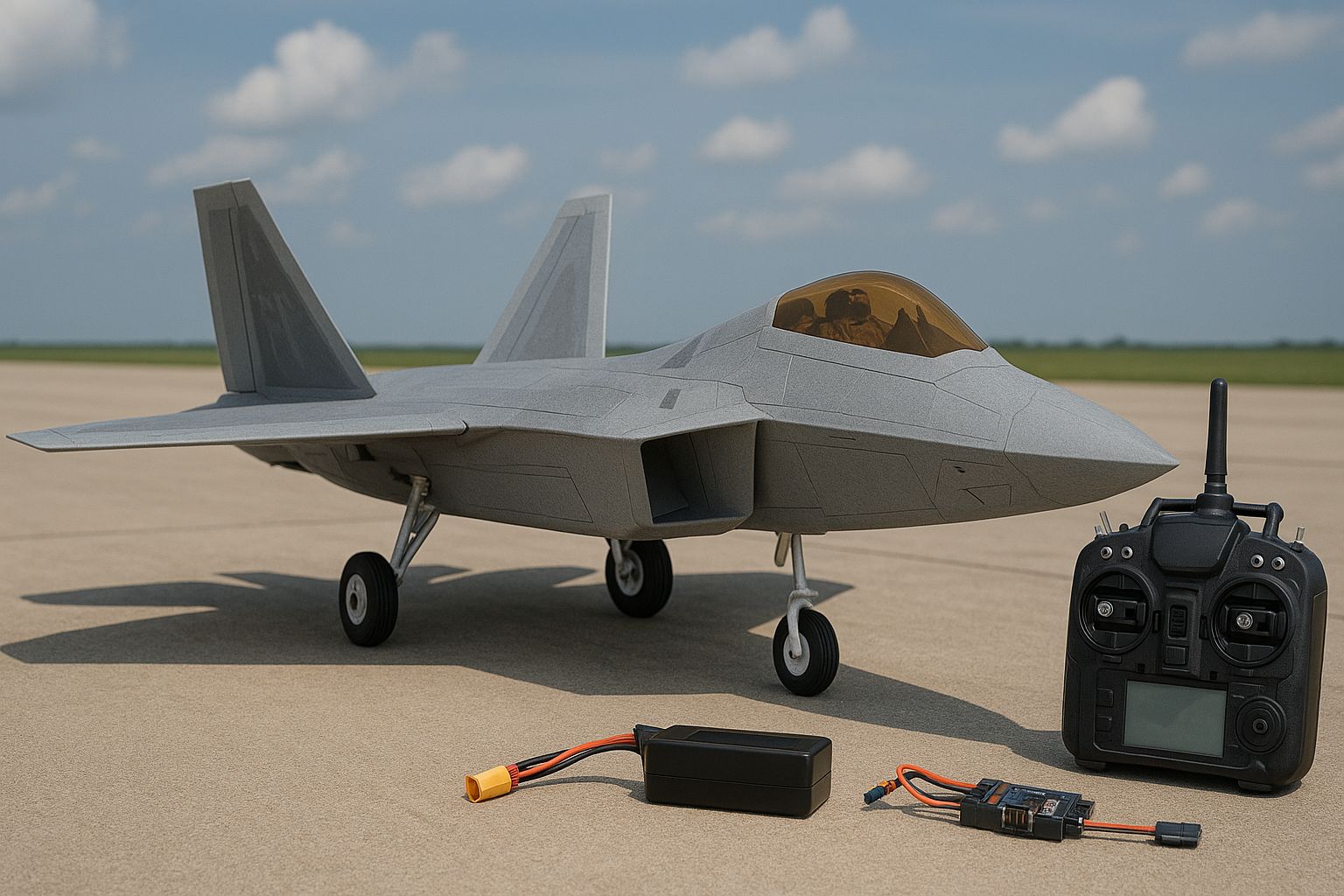
Building and piloting a scaled-down replica of the F-22 Raptor is more than just a pastime for RC fans; it’s a full-fledged passion. Nothing compares to the sleek, aggressive silhouette of the F-22 Raptor darting across the sky. The EDF F22 jet’s amazing speed, great dexterity, and jet-like feel have made it one of the most popular projects for RC builders. This aircraft’s electric ducted fan engine and foam structure provide speed, stability, and agility without breaking the bank. If you take your time, stick to a plan, and get familiar with each system as you go, it’s also surprisingly beginner-friendly. Anyone who wants to construct something that not only looks like a fighter aircraft but also flies like one may use this tutorial to get a free set of F22 EDF foam jet plans. Build Your Own RC EDF F22 Jet Download Plans Enjoy

Build Your Own RC EDF F22 Jet Download Plans Enjoy

The first thing you should do is get the appropriate plan. Here is a link to a tried-and-true RC F22 EDF jet foam board plan, so you’re covered. Depending on your taste and flying field, these designs may be used with either 50mm or 64mm EDF units and are made using basic foam board materials like Dollar Tree foam or Depron. Get the plans in PDF format. Tile them together and begin cutting after printing them on A4 or letter-sized paper. You don’t need to be an expert to comprehend each area since it is properly labeled with folds, glue zones, and component positions highlighted. The greatest aspect is that this construction is modular, so as you get more skill, you can simply modify it for improvements or replace the electronics. Before you begin cutting and adhering, make sure you have all the necessary supplies. Because it is a foam jet construction, it is inexpensive, lightweight, and crash-tolerant. Foam board hot glue or foam-safe CA is required. Use packaging tape for hinges or sealing control surfaces and a sharp hobby knife to adhere carbon fiber rods for reinforcement. Build Your Own RC EDF F22 Jet Download Plans Enjoy

2. Downloading Plans and Gathering Essentials

A suitable ESC is also required if you’re using a 50mm or 64mm EDF fan unit; they range from 30A to 40A, depending on the motor rating. A radio transmitter with elevon mixing capabilities, a 4-channel receiver, and a 3S LiPo battery You may also test components before attaching them with the aid of a servo tester and simple soldering equipment. Build Your Own RC EDF F22 Jet Download Plans Enjoy

Build Your Own RC EDF F22 Jet Download Plans Enjoy

Regarding the fan unit, this RC model’s jet-like propulsion and scream are provided by the electric ducted fan, or EDF. A 50mm EDF unit with a brushless motor operating at 4300 to 4800 KV is an excellent basic configuration for backyard or small field flying. It provides sufficient propulsion for aerobatic flying while using little battery current. A 64mm EDF with a higher wattage motor and 4S LiPo can simply blow you away if you’re searching for speed and distance. However, keep in mind that the power system must be harmonized with the strength of the airframe and your flying ability. Don’t make your first version too complex. Keep it light and make improvements as you go. When properly balanced and constructed, even a simple arrangement may provide remarkable flying performance. The construction phase is the most fascinating aspect of the process. To begin, print the paper plans, adhere them to your foam sheets, and carefully trace each component. Use caution while using the knife to ensure that your cuts are straight and clean. To prevent damaging the foam, make sure your knife is sharp and use a metal ruler. Build Your Own RC EDF F22 Jet Download Plans Enjoy

3 Building the Fuselage and Control System

After your components are cut out, start putting the fuselage together by working your way up from the bottom plate. The vertical stabilizers should fit snugly, and the wings should line up flush with the main body. If you want to reach full throttle later, the blueprints will tell you where to install carbon fiber spars to reinforce the fuselage and strengthen the wings.

To allow for unrestricted movement on control surfaces, carefully cut your elevons and bevel the edges. Use foam-safe adhesive or packing tape hinges to hold them in place. Installing the servos within the wing cutouts and attaching them to your elevons using control horns and pushrods is the next step. Before gluing everything in place, make sure the servo centering is correct and use a basic two-servo elevon mixing arrangement on your radio transmitter. It takes some time to mount the EDF unit; depending on your design, it should fit snugly in the internal tunnel or rear exhaust hole. For a smoother exhaust and more effective push, some builders choose to install the EDF within a thrust tube composed of laminated paper or rolled plastic.

4. Installing Electronics and Preparing for Flight

Build Your Own RC EDF F22 Jet Download Plans Enjoy

The performance and sound realism are greatly enhanced by this little tweak. It’s time to bring your F22 to life when the frame is finished. Use Velcro or foam tape to attach the ESC and receiver close to the center of gravity, and make sure the wiring is neat and out of the way. To fine-tune balance, place the LiPo battery in a central bay that allows you to move it slightly forward or backward. Check the servo movement after connecting all the circuits and binding your radio. The EDF throttle response and ESC arming Avoid skipping this testing stage, particularly if it’s your first build, since a single misaligned servo or a faulty solder junction might result in a crash only seconds after takeoff.

Build Your Own RC EDF F22 Jet Download Plans Enjoy

The Gravity Center On jets like the F-22, CG is crucial, and it should normally be placed directly beyond the leading edge of the wing or wherever the design specifies. To get the ideal battery position, use your fingers or a CG stand to balance the aircraft from nose to tail. It’s time for your first flight after you’re sure everything goes as planned. Aim slightly higher and launch your F22 with a forceful underhand throw at around 70% throttle. Don’t try too hard the first time. Rather, maintain stability and adjust your controls while in flight to ensure the jet flies level. Control is more important for a successful first flight than speed. Review your battery statistics, ESC temperature, and airframe condition after a successful flight to make any necessary adjustments.

5 Mastering Flight and Exploring More Jet Builds

Because of its throttle-sensitive control and high speed and low drag, flying an EDF jet is not like flying a prop aircraft. Because EDFs react swiftly to elevon input and stall quickly if you pull too hard at low speeds, you should practice smooth motions. Fly in open areas, such as dry lake beds or sports fields, when the weather is calm and windy. Additionally, pay attention to flight durations—EDFs use a lot of power and often fly for three to five minutes on a 2200mAh battery. To prevent your battery from dying, always land with enough energy remaining and set a timer on your radio or telemetry, if one is available.

After mastering the F22, you may experiment with other incredible foam EDF aircraft, such as the F35 Mirage or Sukhoi Su27, and even scale models that have functioning lights and retractable landing gear. Foam board RC jets have the advantage of being able to be upgraded and crash-rebuilt without breaking the bank. Additionally, you will have practical experience with aircraft design and aerodynamics electronics, which will transfer into practical technical expertise. Don’t be shocked if this pastime eventually leads to you creating your own customized jet or 3D printing special components. The EDF F22 foam jet is an exciting and satisfying project that puts the sky in your hands, regardless of your level of expertise. It is suitable for both novice and expert RC pilots.

Brushed vs Brushless DC Motors in RC Hobbys

Brushed vs Brushless DC Motors in RC Hobbys

able of Contents

  1. Introduction to RC Motors
  2. Brushed Motors: Simplicity and Affordability
  3. How Brushed Motors Work
  4. Pros and Cons of Brushed Motors
  5. Brushless Motors: Power and Precision
  6. How Brushless Motors Operate
  7. Advantages of Brushless Motors
  8. Brushed vs Brushless: Key Differences
  9. Which Motor is Right for You?
  10. Conclusion: Choosing Based on Your RC Goals

If you like RC vehicles, aircraft, helicopters, or boats, you’ve definitely heard the controversy over brushed vs brushless motors. It’s one of those critical choices that may influence how your RC model performs, feels, and even lasts. Brushed motors have been around for a long time and continue to serve many enthusiasts well. These motors are basic in design. They employ tiny brushes within the motor to transfer power and generate motion. Because of their simple design,

Brushless moter Rotor

Brushed vs Brushless DC Motors in RC Hobbys

they are often less expensive and easy to operate, making them ideal for novices or anybody trying to save money. They’re simple to install, don’t need complicated electronics to function, and if they fail, repair is inexpensive and straightforward. That’s why brushed motors may still be found in many beginning RC cars and kits designed for casual pleasure. Brushed vs Brushless DC Motors in RC Hobbys

DC MOTER

Brushed vs Brushless DC Motors in RC Hobbys

But, like everything mechanical, their brushes wear out with time. You’ll notice a decline in performance when the motor loses power or becomes hotter. Brushed motors need more maintenance and do not provide the same speed, torque, or efficiency as more sophisticated hobbyists would want. Still, for someone learning the ropes or not looking to push their model to its limits, a brushed motor may be a reliable and inexpensive starting point.Brushed vs Brushless DC Motors in RC Hobbys

Why Brushless Motors Are the Future of High-Performance RC Models

Brushed vs Brushless DC Motors in RC Hobbys

Brushless motors are an altogether different beast. Serious RC aficionados salivate over them. The greatest distinction is there in the name: no brushes. Instead, they employ electronics to manage the motor’s power and movement, resulting in less friction, heat, and much more energy packed into a lesser, more efficient motor. That is why brushless aircraft engines can withstand faster speeds, rougher terrain, and longer flying hours without overheating.

Brushed vs Brushless DC Motors in RC Hobbys

When you’re behind the wheel or at the controls, you can anticipate faster acceleration, smoother throttle reacting, and more overall control. Furthermore, they do not wear out like brushed motors, so you don’t have to continuously switch components or tune things up after a few runs. The only obvious disadvantage is the higher cost of brushless electricity and the speed controls that accompany them. They also need more know-how to set up, particularly for those new to the pastime. But once you’ve tried one, it’s difficult to go back.Brushed vs Brushless DC Motors in RC Hobbys

A brushless motor makes everything seem sharper

Brushed vs Brushless DC Motors in RC Hobbys

quicker, and more responsive, whether you’re racing an RC truck over rugged terrain, making tight turns with a drift car, or flying a high-speed RC jet. Brushless systems are becoming more affordable, even for casual amateurs. So, whether you’re just starting out or seeking to upgrade, knowing what each motor provides can help you choose what’s best for your RC experience—simple enjoyment with brushed or next-level capability with brushless.


Conclusion: Choosing the Right Motor for Your RC Goals

whether you’re only establishing out in the RC world or you’ve been building and flying for years understanding the variance between brushed and brushless motors can actually help you get the most out of your hobby if that you’re new to the sport on a budget or just want something straightforward that works cleaned engines are a great effect to start they’re easy to install don’t need much scientific know-how and are perfect for basic that drive or flying confronts they let you get into the hobby fast and without much fuss

JETI Duplex DC-24 II The Ultimate RC Transmitter

JETI Duplex DC-24 II The Ultimate RC Transmitter

Table of Contents

  1. Introduction: A Statement of Engineering Excellence
  2. Advanced Transmission & Channel Capabilities
  3. Telemetry Powerhouse with REX 12 Assist
  4. Premium Build Meets Functional Design
  5. Deep Customization for Every Flight Profile
  6. Future-Proof Technology and Community Support
  7. Conclusion: For Those Who Fly with Purpose


Introduction: A Statement of Engineering Excellence

Few transmitters are more respected in the high-performance field of RC aircraft and sophisticated hobby control systems than the JETI Duplex DC-24 II Carbon Line Orange Anodized version. This transmitter is not just a tool, but also a work of art in terms of engineering and design. The DC-24 II looks as powerful as it operates, thanks to its crisp carbon fiber faceplate and brilliant orange anodized metal. Beyond its beautiful design, however, lies a depth of performance suitable for expert pilots, skilled modelers, and those who want nothing less than excellence from their RC gear.JETI Duplex DC-24 II The Ultimate RC Transmitter

JETI Duplex DC-24 II The Ultimate RC Transmitter

Advanced Transmission & Channel Capabilities

The Duplex DC-24 II is designed to transform the RC control experience. It has two 2.4GHz and 900MHz redundant transmission modules, ensuring unrivaled dependability and signal integrity even in the roughest situations. The transmitter has 24 completely proportional channels, allowing users to operate sophisticated aircraft or RC systems with no limitations. The huge color LCD screen, easy menu system, and haptic feedback make accessing telemetry, model parameters, and mixes simple. The ergonomic arrangement enables smooth use over extended periods of time, and the switchgear—every stick, knob, and toggle—feels aircraft-grade, machined for longevity and accuracy.JETI Duplex DC-24 II The Ultimate RC Transmitter

Telemetry Powerhouse with REX 12 Assist

What actually distinguishes this transmitter is its perfect interaction with the JETI EX Bus telemetry system. Users may obtain real-time data from their aircraft’s sensors, which monitor battery voltage, temperature, current, airspeed, GPS, and other parameters. When combined with the REX 12 Assist receiver (seen in the picture), the DC-24 II provides complete stabilization capabilities. The REX receiver has internal gyro aid, adjustable failsafe settings, and ultra-precise signal routing. This transmitter and receiver combination provides both security and precision, providing a professional-grade connection between pilot and model. Whether you’re flying a giant-scale warbird, a precision aerobatics aircraft, or a turbine-powered jet, this combination provides excellent control input and system health information.JETI Duplex DC-24 II The Ultimate RC Transmitter

Premium Build Meets Functional Design

Beyond only achievement, the Carbon Line model stresses superior build quality. The transmitter enclosure is CNC-controlled from aluminum and coated with a hard coated orange coat, providing that either fundamental power and a visually beautiful appeal. The carbon fiber faceplate not only increases looks but also saves weight without losing durability. The balance and weight distribution of the unit are excellently suited for neck-strap or tray-style flying, inviting to both conventional and contemporary pilot preferences.

Deep Customization for Every Flight Profile

JETI also offers deep customization options through the DC-24 II. Pilots can configure voice alerts, assign logical switches, adjust curves, and set up intricate flight modes tailored for 3D flight, gliding, or FPV racing. The transmitter even allows wireless training systems, so instructors can safely hand over control to students or co-pilots. It’s a favorite among competition flyers due to its latency-free response, precise inputs, and exceptional RF robustness. With over 24 programmable flight phases and integrated data logging, it also serves as a reliable flight tracking and post-flight analysis tool.
Future-Proof Technology and Community Support

In addition, firmware upgrades assure futureproof operation. The JETI Studio program enables the user to upgrade software, load tradition sounds, and handle models effortlessly from a computer. The built-in SD card slot offers increased storage for logs, audio recordings, and model setups. The support network behind JETI goods is also broad and experienced, which makes setup and fixing much simpler for both experts and dedicated amateurs.

JETI Duplex DC-24 II The Ultimate RC Transmitter

Conclusion: For Those Who Fly with Purpose

This JETI Duplex technology DC-24 II Carbon dioxide Line Orange Oxidized is not only a The RC transmitter—it’s the apex of what accuracy, safety, and elegance can provide in the remote-control world. It’s created for enthusiasts who see their models as an expansion of one another, where every flight needs perfect synergy among pilot and machine. If you’re searching for a the transmitter that not only works perfectly but also stands out on the the pilot line, the DC-24 II is a the investment in greatest control, created for individuals who genuinely enjoy the art of RC

The Untold Story of the MQ-9 Reaper Hunter Drone

The Untold Story of the MQ 9 Reaper Hunter Drone

Table of Contents

  1. Born for the New Battlefield How the Reaper Changed the Game
    – Origins of the MQ-9 and why it was built
    – Its role in modern wars across the Middle East
    – The shift from surveillance to precision strike
  2. Built to Watch, Trained to Strike
    – How the MQ-9 operates and gathers intelligence
    – Remote control and human decision-making
    – Role in both combat and humanitarian missions
  3. The Future of the Sky: Where the Reaper is Heading Next
    – Upgrades in autonomy sensors and survivability
    – Use in drone swarms and contested airspace
    – Reaper’s lasting legacy in military history
The Untold Story of the MQ-9 Reaper Hunter Drone

Born for the New Battlefield How the Reaper Changed the Game

The MQ-9 Reaper is far more than simply a robot; it is an emblem of how contemporary warfare has altered forever. It is sleek, fast, and deadly, and unlike older drones built just for surveillance, the Reaper was intended from the start to hunt and strike from the sky. It came out of a new era where enemies could be anyplace, hiding in mountains, deserts, or behind city walls, and traditional fighter jets were too fast, too loud, and too expensive to loiter for long. The Untold Story of the MQ-9 Reaper Hunter Drone

The Reaper stepped in with long wings, a powerful engine, and the patience of a hawk. It can fly for more than 24 hours silently over a target and, when necessary, attack in seconds with missiles or explosives. It became the eye in the sky for the United States and its allies, monitoring battles in Afghanistan and Iraq. Syria and Beyond The Reaper transformed the way operations operated. Instead of waiting hours for air assistance, soldiers now had a silent companion above providing live footage and ready to act in real time. The MQ-9 is not simply a flying robot; it is a new sort of presence in war—one that never blinks and never tires.The Untold Story of the MQ-9 Reaper Hunter Drone

Built to Watch, Trained to Strike

What separates the MQ-9 Reaper was not merely its armament, however, but how it gazes and thinks. The drone is handled from afar by a pilot and sensor worker sitting in a climate-controlled facility, usually thousands of miles from the conflict. With high-definition cameras, infrared sensors, and powerful radar systems, the Reaper acquires massive volumes of information. It measures everything from autos and footfall toeven radiation signatures at night. It may track a single person across tough terrain or a convoy passing through dust storms. With this degree of precision, the Reaper is not simply a weapon but also a scout, analyst, and guide for ground forces and special operations teams. The Untold Story of the MQ-9 Reaper Hunter Drone

When it hits, it does so accurately, launching Hellfire missiles or sending laser-guided explosions on targets picked after days or even weeks of monitoring. It is not about surprise and awe; it is about knowing exactly when and where to attack and decreasing the threat to both the civilian population and soldiers. The Reaper also plays a vital role in humanitarian missions, keeping track of wildfires, rescuing flood victims, and surveying hurt after natural disasters. It is a signal that technology built for battle may also be employed in times of calamity. Despite its quiet strength, the MQ-9 is a product of human decision-making. It does not kill on its own; its usefulness depends on how it integrates intelligence monitoring and precise action into one airborne system.

The Future of the Sky: Where the Reaper is Heading Next

The Untold Story of the MQ 9 Reaper Hunter Drone


As warfare changes, so does the MQ-9. The drone that revolutionized everything is now being modified to keep ahead of threats and adapt to new tasks. The US Air Force and military contractors are working on increasing the sensors’ connectivity and autonomy. Future versions of the Reaper may be able to fly in swarms, collaborate with human aircraft, and potentially avoid hostile air defenses utilizing improved algorithms and electronic countermeasures. It is being modified to survive in disputed skies where other drones may crash rapidly. Its wings are becoming stronger

Its brain is getting sharper, and its missions are more diversified. At the same time, the world is changing, and other nations are constructing their own versions of armed drones, which means the MQ-9 must adapt not just to remain ahead but also to continue setting the standard. In a world of conflicts waged with information and choices made in seconds, the Reaper remains at the core of how contemporary armies work. It may not sound like a fighter plane, but its quiet endurance and pinpoint attacks have molded policy, saved lives, and revolutionized how countries project power. The MQ-9 Reaper is not simply a machine in the sky; it is the eye of a new sort of hunter, and it will very likely continue flying in roles both visible and hidden for many years to come.

Wings of Defiance Real Story Behind Iranian Drones

Inside the Silent Sky: Fascinating Truths About Iranian Drones

Table of Contents

  1. From Sanctions to Skies
    – How Iran turned international isolation into innovation
    – The rise of the Ababil and the philosophy of doing more with less
    – Shahed 136 and the strategy of swarming over sophistication
  2. Learning from the Enemy and Teaching the Region
    – Reverse engineering the RQ-170Sentinel
    – Creation of the Saegheh and hybrid drone models
    – Drone exports to Hezbollah, Houthis, and regional proxy groups
    – Psychological warfare and indirect influence
  3. What the Future Holds for Iran’s Drone Army
    – Development of Kaman 22 and long-range UAVs
    – Integration of AI and swarm tactics
    – Overcoming sanctions through adaptation
    – Drones as symbols of resistance strategy and future power
Wings of Defiance Real Story Behind Iranian Drones

From Sanctions to Skies How Iran Turned Struggle into Strategy

Iran did not start producing drones to show off technology or compete with world powers; it began because it had no other alternative. In the 1980s, during the long and bitter war with Iraq, Iran was cut off from weapons and components. It had old planes, a diminishing air force, and no means to compete with better-equipped rivals. Instead of giving up, Iranian engineers searched for another approach. Wings of Defiance Real Story Behind Iranian Drones
They began creating tiny unmanned aircraft only to obtain eyes in the sky. These early versions, such as the Ababil, were rudimentary, slow, and did not carry large weaponry, but they got the job done, and, most significantly, they were developed at home by local brains. A whole different approach emerged from that small beginning.

Iran learned that it did not need to imitate American technology piece by piece; it just needed tools that functioned, ones that could fly far and hit smartly. That’s where drones like the Shahed 136 come in. They’re not fancy, but they’re inexpensive, simple to produce, and lethal in numbers. Iran learned to employ them in swarms, overpowering defenses and sneaking past radar with sheer presence rather than stealth. It wasn’t about flair but about efficacy, and that approach transformed everything. Wings of Defiance Real Story Behind Iranian Drones

Learning from the Enemy and Teaching the Region

What truly propelled Iran’s drone program ahead was its capacity to learn by observing and occasionally by capturing Iran reportedly took down a US stealth drone, the RQ-170 Sentinel, in 2011, and instead of simply showing it off, they examined it thoroughly. Iranian engineers opened it apart, figured out how it operated, and then created their own version dubbed the Saegheh.

Wings of Defiance Real Story Behind Iranian Drones

It did not have to be flawless; it simply had to fly and send a message. That type of reverse engineering has become a trademark move for Iran. They take what others toss away or lose and transform it into something worthwhile. Their drones are a hodgepodge of old tech, new ideas, and creative thinking. But Iran is not keeping this to itself; its drones have become a significant export in the shape of assistance to regional friends and proxy organizations.

Groups like Hezbollah, the Houthis, and numerous militias now have access to Iranian drones. These groups use them not simply to strike but to collect information and sustain pressure on opponents. Iran may attack without ever deploying a soldier, only by sending a drone. That alters the game. It gives Iran reach, power, and influence far beyond its boundaries, and even when the drones do not attack, they still matter because they inspire dread. They make opponents wonder what is above them, watching, waiting, ready. Iran has turned drones into both weapons and warnings. silent signals that suggest you are not secure. We are here

What the Future Holds for Iran’s Drone Army

Today, the Islamic Republic’s drone plan is no longer merely one of survival; it is about ambition. They are developing bigger drones with greater reach and heavier cargo, among them the Kaman 22, a large drone that can carry multiple bombs and stay in the air for hours. They are also looking at new tech like artificial intelligence and automated systems, where drones talk to each other, make decisions on the fly, and attack as a group. This concept of drone swarms is not science fiction for Iran;

Wings of Defiance Real Story Behind Iranian Drones

it is becoming a reality

This might make Iranian drone attacks quicker, smarter, and tougher to stop. Despite harsh sanctions and persistent pressure from the outside world, Iran’s drone developers continue to find methods to go ahead. They develop with what they have, adapt, and continually test new limitations. These drones are more than tools; they represent how a nation can hold its own by thinking differently. In a world full of billion-dollar weapons, Iran demonstrates that sometimes the most powerful things are little, silent, and unrelenting. Drones without pilots produced by those who refuse to stop pushing ahead are the actual force behind Iran’s skies.

How to Choose the Right Weather for Flying RC Plane

How to Choose the Right Weather for Flying RC Planes

Table of Contents

  1. Introduction: Why Weather Matters for RC Flying
  2. Understanding the Key Weather Elements
  3. Best Conditions for Safe and Fun RC Flying
  4. Weather Tools and Apps for RC Pilots
  5. How to Make the Final Call Before You Fly
  6. Conclusion: Flying Smarter, Not Just Higher
How to Choose the Right Weather for Flying RC Plane

Introduction: Why Weather Matters for RC Flying

Ask any skilled RC test, and they’ll encourage you: the the weather isn’t just a factor—it’s the factor. You may have the most modern aircraft, the newest transmitter, a completely charged battery or a finely tuned nitro engine—but if the weather isn’t on your favor, none of it matters.

When you fly a real aircraft, you’re supported by radar, air traffic control, weather predictions, and years of training. But as an RC pilot, you’re out there in the open, depending on line of sight, your intuition, and your equipment. That’s why learning how to read the sky and analyze weather conditions is not just important—it’s crucial to preserve your aircraft and enjoy every trip. Whether you’re a novice or a seasoned flyer, knowing to pick the correct weather can keep you safer, provide you smoother flights, and help you avoid those devastating accidents that happen when you misjudge Mother Nature.

2. Understanding the Key Weather Elements

Wind

Wind is the greatest game-changer for RC aircraft. Little electric examples and foam aircraft particularly are highly vulnerable to gusts. A gentle breeze—say 5 to 10 mph—is perfect for most flyers, particularly trainers and gliders. Once it gets over 15 mph, things might become problematic unless you’re flying a hefty or high-performance aircraft. Gusts may push an aircraft off obviously or make landing practically difficult, particularly if you’ve been hand-launching or landing on grass. Always remember: it’s not simply the average wind speed, but the gust factor that matters.

Temperature

Think it or not, the the climate has a major affect too. Cold weather may degrade battery performance for electric aircraft, making them lose power quicker. Nitro engines could be difficult to adjust when it’s cold, and servomotors can be slower to react. Hot weather comes with its own challenges, particularly if your gear gets hot in the sun. On a 30°C (86°F) day, your devices laying on the field under direct sunshine may roast themselves if you’re not cautious.

Humidity and Rain

RC aircraft and liquid don’t mix—period. Flying with mist, light rain, or high the humidity risks shorting your technology, limiting vision, and soak balsa wood frames or foam wings. Always monitor for any risk of rain, and if you feel even a sprinkle, it’s better to pack up.

Visibility

Flying your RC aircraft is all for line of sight. Fog, haze, or low clouds may make it hard to focus your their eyes on your aircraft—especially if it’s painted in bright colors or is tiny. Even worse, the sun may blind you at likely instances of the day, so try to prevent flying straight into sunlight.

How to Choose the Right Weather for Flying RC Plane

3. Best Conditions for Safe and Fun RC Flying

Now that you understand what to check for, let’s speak about the perfect flying conditions. These can vary somewhat based on your airplanes type, but here’s a basic guide that is effective for most RC pilots:

Wind speed: Between 3 and 10 mph is ideal

Gusts: Less than 5 mph difference from steady wind

Temperature: 10°C to 30°C (50°F to 86°F)

Humidity: Below 70% with no forecast of rain

Visibility: Clear skies or light clouds

Ground condition: Dry, with little to no mud or puddles

Mornings are frequently the greatest time to fly. The wind tends to be more collected, the sun is less harsh, and there are generally less people at public flying places. Late afternoons may also work nicely, particularly when the wind starts to quiet down again. Avoid noon flying when thermals arise (particularly if you’re using aircraft) unless you’re able to ride them without loosing control.

4. Weather Tools and Apps for RC Pilots

Some of you don’t have had to be an a meteorologist to interpret the weather—you simply need the correct tools. Today, there are hundreds of applications and websites that supply real-time statistics, predictions, and wind monitoring especially relevant for RC flying.

Here are an a few top picks:

Windy.com – Highly comprehensive wind predictions, gust charts, and rise maps

UAV Forecast – Designed exclusively for a drone and RC pilots, incorporates GPS diseases and cloud cover

Accurate Weather or The Weather Channels — Great for general predictions and warnings

Met Office (UK) or NASA (USA) – Trusted official data sources

Anemometer (mobile or app) — Some pilots carry a tiny wind meter to monitor conditions on the field

If you’re really into it, invest in a tiny private the climate station or an adaptable barometer—especially if you fly gliders to or big gas-powered aircraft.

How to Choose the Right Weather for Flying RC Plane

5. How to Make the Final Call Before You Fly

So that you’ve checked the weather, packed your equipment and drove up to your own favorite soaring spot—but now that you need to make the last choice. Here’s a step-by-step a list that many endured RC pilots follow:

Get in the the area and feel the wind — Gusts may rather than show up on your app

Look aloft – Watch over cloud motion, birds gliding rapidly, or trees swaying

Listen – If the wind is screaming in your ear canals, it’s probably too powerful

Do an examination throw – Toss a light item like a little a material wing or tissue and watch how far it blows

Trust your instincts – If anything seems weird, don’t fly

Also, do not forget to estimate the landing area. A dirty or wet landing strip, which is overgrown grass, or large puddles may convert a good flight into a disaster landing. Having an emergency arriving plan—even a soft piece of open ground—is wise practice.

How to Choose the Right Weather for Flying RC Plane

6. Conclusion: Flying Smarter, Not Just Higher

RC and fly is more instead of a hobby—it’s a skill that needs patience, understanding, and a relationship to the elements. Weather is your unseen companion in every ascending, and understanding how to read it, appreciate it, and deal with it can render you a more and safer pilot
No matter how modern your airplanes is, you’re constantly at the mercy of the breeze and sky. But that’s also what makes this activity so magical—you’re not just flying a model, you’re dancing with environment. So next time you venture out, take a minute to examine the clouds, check the wind, and determine if the sky is beckoning you up—or warning you to remain grounded. The better you become at grasping the elements, the more airplanes you’ll appreciate and the less you’ll regret.

Keeping Your Kyosho 1.8 Scale Nitro RC Car in Top Shape

Keeping Your Kyosho 1.8 Scale Nitro RC Car in Top Shape

Table of Contents

1 Keeping Your Kyosho 1.8 Scale Nitro RC Car in Top Shape
2 Starting with the Basics of Nitro Care
3 Maintenance Habits That Keep Performance High
4 Long Term Enjoyment and Pro Level Care

Keeping Your Kyosho 1.8 Scale Nitro RC Car in Top Shape

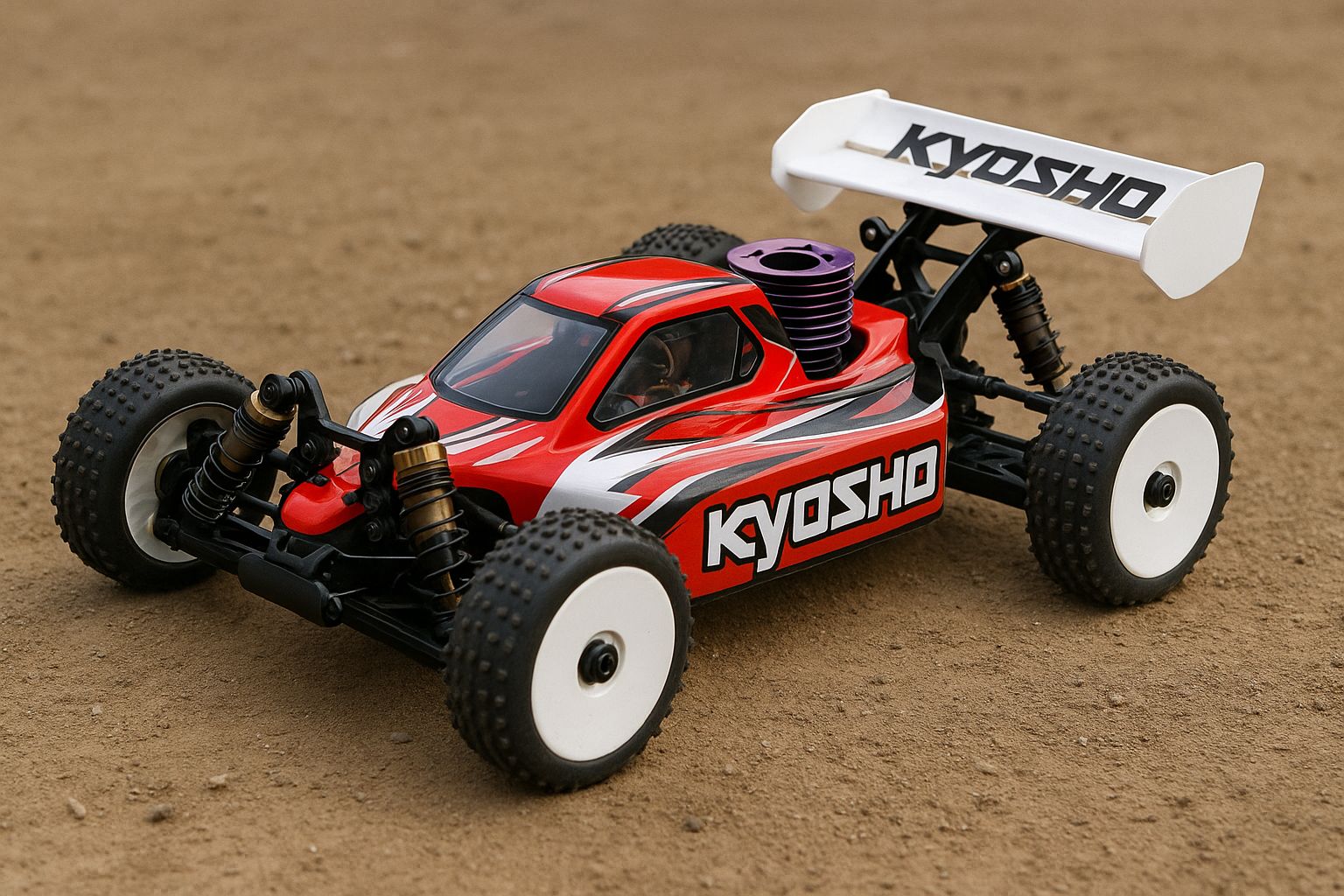
Owning a Kyosho 1.8 scale nitro engine RC car is an exciting experience that brings together the thrill of speed the sound of a real combustion engine and the joy of fine tuning a high performance machine But just like any powerful vehicle it needs regular care and attention to keep running at its best Taking care of a nitro powered RC car is not difficult but it does require consistency and an understanding of what the engine and components need to stay strong fast and reliable From the first break in session to long term storage and everything in between maintaining your Kyosho properly will extend its life improve performance and give you better results every time you hit the track or the dirt

Starting with the Basics of Nitro Care


Keeping Your Kyosho 1.8 Scale Nitro RC Car in Top Shape

The first and most critical element of caring for your Kyosho nitro vehicle is the engine break in procedure This is when you run the engine gently for a couple tanks of gasoline to enable the internal components like the piston sleeve and crankshaft to settle correctly You should always follow the particular break in stages specified in the handbook and avoid high rpm or full power runs until the engine is properly situated Skipping this step will decrease engine life and lower power after the break in is complete it is crucial to tune the carburetor correctly using the high acceleration and low speed needles to set the air and fuel ratio so the engine runs smooth and clean A somewhat rich tune is safer and cooler than a lean one so listen to the sound of the engine monitor for persistent smoke and check temps if you can using a temp gun Make careful to maintain the air filter clean at all times since dust and debris may rapidly wear down internal components clean it with adequate filter oil and cleanser frequently and never operate without it

Maintenance Habits That Keep Performance High

Keeping Your Kyosho 1.8 Scale Nitro RC Car in Top Shape

once every session it is an attractive idea to clean your vehicle carefully remove dust dirt and fuel residue using a clean and a touch of nitro cleaner or altered alcohol but avoid pouring directly into electronics the chassis suspension and drivetrain also benefit from frequent examination check for loose nails worn bearings or fractured components and tighten or replace as required Lubricate moving components like the clutch bearings and driveshafts with light oil or grease depending on the location The engine should be cleaned carefully as well as after running you should always apply after run oil to prevent it from corrosion and moisture simply a few drops in the carburetor and glow plug hole will keep it safe till your next drive gasoline quality important also always use fresh good grade nitro gasoline and keep it in a cool dark area with the cap secured tight Old or tainted gasoline may cause poor performance and potentially harm the engine if left unchecked Keep an eye on the clutch bell gears and spur gear as they degrade over time and may require modification or replacement Tight mesh and sharp teeth may lead to stripped gears thus adjust appropriately and replace components as required

Long Term Enjoyment and Pro Level Care

Keeping Your Kyosho 1.8 Scale Nitro RC Car in Top Shape


towards get the the most out of the Kyosho 1.8 measure nitro RC vehicle long term it is essential to create habits that go in addition to merely cleaning and tweaking Before each run spend a few a few seconds to check battery levels in the receiver and transmitter make sure anything is charged and adaptable This minor precaution avoids collisions and sudden shutdowns while driving Store your vehicle on a stand or shelf so the tires and suspension forces are not strained between usage If you are not driving the automobile for a time empty the gasoline tank and run the engine dry to prevent residue that may clog up the carburetor and fuel lines Rotate your tires between runs if you travel on difficult terrain since this helps them wear evenly and last longer Some owners additionally adjust tires for improved handling particularly on high speed courses Taking film of your runs and listening back to the engine might help you notice variations in sound that can suggest a tuning issue or wear problem before it gets critical Joining an RC club or online forum may also be a major help since you can obtain suggestions from experienced nitro drivers and learn about improvements and methods that keep your vehicle running strong Whether you bang about in broad fields or race on a specialized track maintaining your nitro engine in good form means more fun and less downtime

How to fly RC Belt CP Brushless Helicopter

How to fly RC Belt CP Brushless Helicopter

Table of Contents

1 Taking Flight with the RC Belt CP Brushless Helicopter
2 Built for Performance and Control
3 Learning and Progressing with the Belt CP
4 The Experience and Passion Behind the Flight

How to fly RC Belt CP Brushless Helicopter

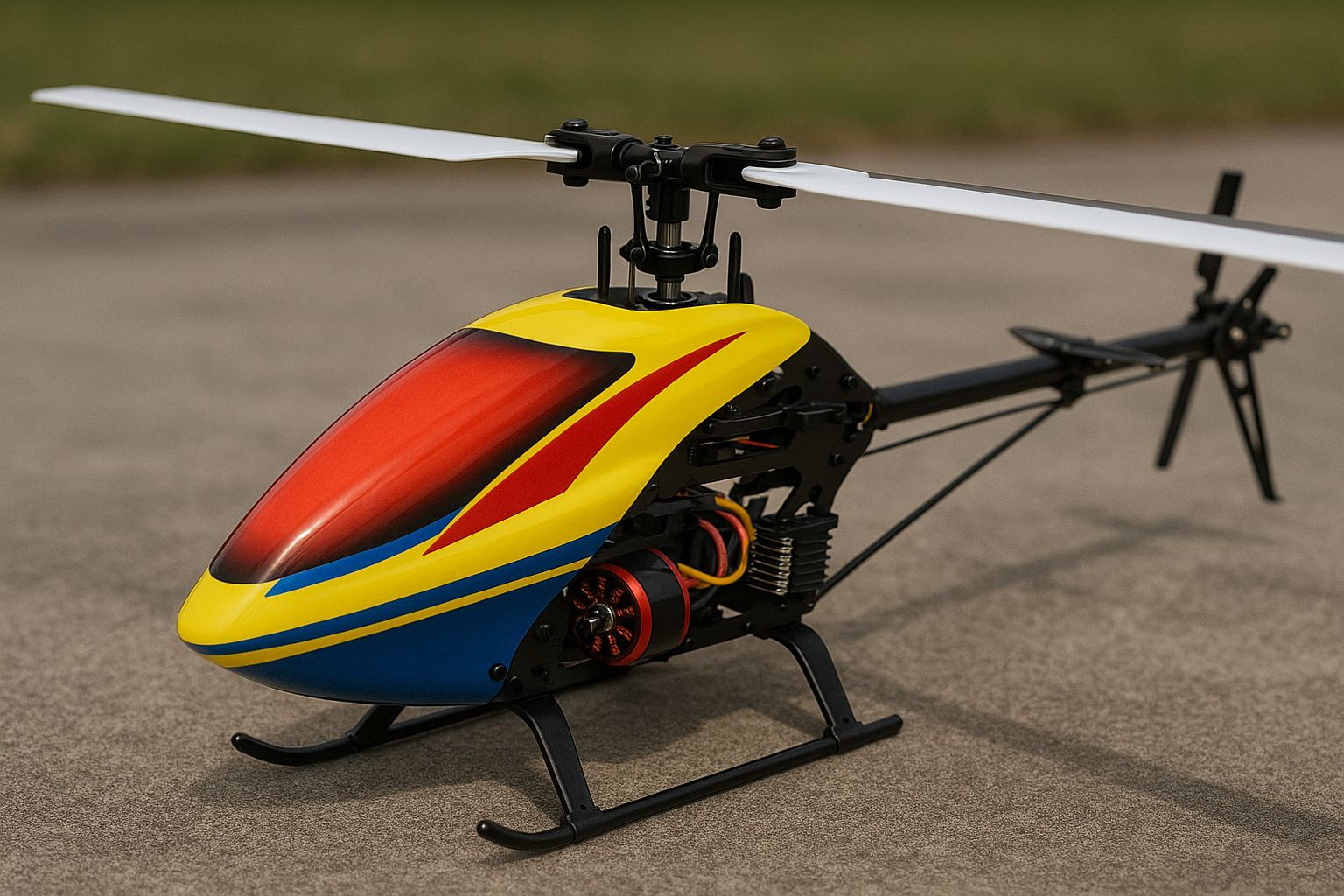
Being able to fly a remote control aircraft is an experiences unlike any other and the RC Belt CP Brushless Helicopter stands out as a powerful dependable and performance focused model that has won its way in the hearts of enthusiasts worldwide Built with precision and geared for beginner to advanced pilots that the helicopter is more than just a toy it is a machine that reacts with accuracy to every touch of the stick making it perfect for those who want to take their abilities to the next level The brushless motor provides it a substantial benefit over earlier brushed versions delivering longer flying periods greater power and smoother operation The Belt CP incorporates a collective pitch rotor system which means you can fly it upside down make loops and conduct other 3D acrobatics if you have the competence It is designed with sturdy elements like aluminum and carbon fiber that enable it endure the odd accident while keeping the weight low for improved agility Whether you are hovering practicing figure eights or going all in with acrobatics this aircraft feels responsive stable and ready for action . How to fly RC Belt CP Brushless Helicopter

Built for Performance and Control

One of the most intriguing characteristics of the Belt CP is its brushless power system which gives great torque and fluid acceleration with out the wear and tear associated with brushed motors This improvement enables pilots to enjoy consistent performance with minimal repair and longer component life making it a better investment for dedicated fliers The tail rotor is powered by a belt which is not just where the name derives from but also another design that gives smoother tail control and higher longevity than direct drive configurations You will note straight away how steady the tail is even in windy situations and how sharp the helicopter feels while turning or changing directions The Belt CP also incorporates a high grade gyro that aids with heading hold providing you greater control and confidence particularly while hovering or performing precise landings It comes with a robust frame powerful landing gear and a stylish canopy design that makes it seem as sharp as it flies The main propeller blades are intended for performance providing the helicopter good lift and rapid reaction which is suitable for fast climbs abrupt turns and tight maneuvers

Learning and Progressing with the Belt CP

While the Belt CP is not a novice helicopter it is an excellent alternative for an individual who is ready to proceed up from axial. or fixed pitch examples and wants to learn how to fly collaborative pitch helicopters The degree of control this model gives goes considerably above what you get with smaller helicopters and it is a fantastic stepping stone into professional RC flying With a programmable transmitter you can alter pitch throttle curves and expo settings to fit your skill level and flying style providing you the flexibility to progressively ease into more aggressive flying as you develop Many fliers utilize this helicopter as their training platform before advancing onto bigger or more complex 3D helis since it provides the right blend of capability and difficulty The availability of components is also a significant bonus since accidents do happen and being able to change blades gears or servos without first too much money or work makes the learning curve reasonable Flying the Belt CP teaches you how to think like a pilot grasp orientation at all angles, and develop your timing and coordination It rewards practice with smoother flights tighter moves and a great feeling of joy as your ability develops. How to fly RC Belt CP Brushless Helicopter

The Experience and Passion Behind the Flight

How to fly RC Belt CP Brushless Helicopter

Having and using the The RC Belt CP Brushless technology a helicopter is about more than just the devices it is about the joy and happiness that arrives with every takeoff and landing The a noise of the blades the preciseness of the controls and the challenge of learning complicated shifts all come jointly to make every flight session a memorable one Many amateurs enjoy altering and upgrading their Belt CP putting in more effective a servo stronger batteries or tailoring the paint scheme to match their personality There is also a strong sense of community around this kind that . How to fly RC Belt CP Brushless Helicopteronline in forums or at local flying clubs where pilots swap advice ideas and even spare parts The Belt CP becomes more than a designs it becomes part of your flying work and a sign of the way far you have gone in the hobby Whether you are practicing stable hangs discovering inverted flying or pulling off your first successful loop this a chopper follows you every step of the way It is steady enough for daily flying but proficient enough to keep things exciting within time and for those who love the sky the Belt CP brushless model delivers just what you need tremendous passion and sheer soaring joy

The Strength and The style of the RC Extra 300 stunt plane

The Strength and The style of the RC Extra 300 stunt plane

Table of Contents

1 Introduction to the RC Extra 300 Stunt Plane
2 What Makes the Extra 300 a Favorite Among Pilots
3 Performance Design and Maneuverability
4 Learning and Progressing with Confidence
5 Joining the RC Flying Community
6 Customizing and Upgrading the Extra 300
7 The Joy and Freedom of Fligh

The Strength and The style of the RC Extra 300 stunt plane

Flying an RC stunt plane is one of the most thrilling experiences in the world of remote control aviation, and the Extra 300 is a name that stands out in every flying field.

The Strength and The style of the RC Extra 300 stunt plane

Whether you are an experienced flyer or just starting to learn aerobatics, this aircraft offers an incredible balance of performance, style, and control The Extra 300 is modeled after a full scale aerobatic plane designed for precision flying and extreme maneuvers and its RC counterpart brings that same power and elegance into the hands of hobbyists around the globe With its sleek lines and bold look it is impossible to miss when it cuts through the sky Built with lightweight materials like foam or balsa and fitted with a powerful brushless motor and responsive servos this model is made for tight turns loops rolls inverted flight and more It is perfect for pilots who want to practice stunts or show off at local flying events The moment you take off with an Extra 300 you feel the difference It is smooth sharp and incredibly agile making every move feel confident and under control

The reason Pilots Pick the Extra 300 for Stunt Flying

The Strength and The style of the RC Extra 300 stunt plane

One of the primary reasons RC pilots enjoy the Extra 300 is its versatility to do difficult maneuvers with ease This plane has been expertly adjusted over years to become a popular in the aerobatics industry offering pilots a stable platform to push their flying talents to the next level Whether you are executing razor edge passes or high alpha hovers the Extra 300 retains its line and responds swiftly to every stick input making it ideal for freestyle routines and pattern flying It is not only about power but the design of this plane delivers outstanding stability at both high and low speeds allowing novices to learn with confidence while offering seasoned fliers the opportunity to explore The broad wingspan and low wing loading aid with sluggish flying and make recovery from challenging places considerably simpler Most versions now feature with strengthened landing gear and sturdy control linkages which allow the plane hold up well even after harsh landings or forceful maneuvers Plus many RC versions of the Extra 300 are engineered to be easy to maintain with modular parts detachable wings and quick access to electronics making maintenance and upgrades uncomplicated and worry free

The Pleasure of Flying and the Shared Experience That Comes having It

Being able to fly the power source RC Extra 300 is concerning more than just the actions it is regarding being part of a driven and encouraging community of aviators if you carry your Extra 300 to the the field there is a quick sense of related with those who share your enthusiasm for precise traveling and aerial creativity Pilots share tips change sets praise each other on and occasionally even arrange group acts for pleasure or envy The picking up never stops and it

The Strength and The style of the RC Extra 300 stunt plane

is what makes this pastime so fulfilling Whether you in are practicing solo or flying in rhythm with others every sessions in the sky is an opportunity to grow and enjoy the moment For those who prefer to experiment the Extra 300 presents unlimited options You may change the motor install better props tune control surfaces or update batteries to boost

performance

and flight duration And due to internet communities and flying clubs there are and is always help and inspiration only a few clicks away This aircraft is a out the best in pilots and forms a friendship by way of provided endure and mutual respect Absolutely nothing compared to the adrenaline of a perfect loop a precise roll or an elegant inverted pass all rendered possible by the faith you have in your Extra 300

What Is the Best Material for RC Planes and Model Builders?

What’s the Best Material for RC Planes and Model Builders?

Table of Contents

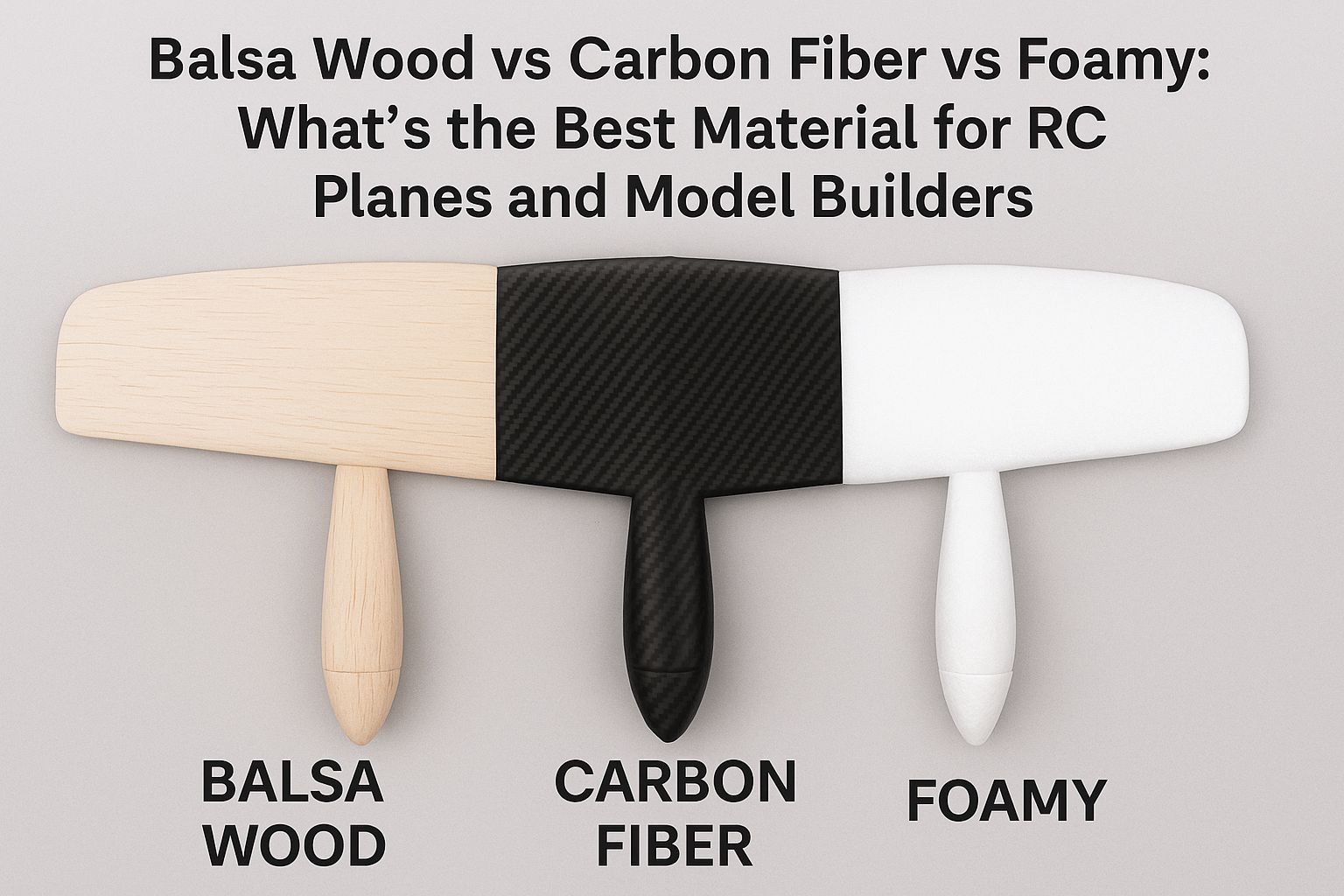
  1. Balsa Wood vs. Carbon Fiber vs. Foamy: What’s the Best Material for RC Planes and Model Builders?
  2. The Iconic Balsa Wood: Classic Craftsmanship with Character
  3. Carbon Fiber: The High-Performance Material for Speed and Strength
  4. Foamy Flyers: Lightweight, Forgiving, and Fun for All Skill Levels
  5. Which One Should You Choose? Matching the Material to Your Style

When it comes to making RC airplanes or scale model airplanes, the material you pick may make all the difference. Whether or not you’re a weekend flyer, a competitive pilot, or just appreciate the art of putting aircraft together in your garage, the fight over balsa wood, carbon fiber, and foam (sometimes dubbed “foamy”) is as genuine as it gets. Each material adds its own character, problems, and benefits to the table. The greatest pick relies not just on execution, but also on what you value most: strength, weight, affordability, simplicity of use, or realism. Let’s delve into what makes each of these materials stand out—and where they fall short—so you can pick what’s suitable for your next construction.What Is the Best Material for RC Planes and Model Builders?

Balsa Wood: The Old-School Favorite with Soul

What the Best Material for RC Planes and Model Builders?

There’s something magical about working with balsa wood. For many model builders, it’s where the passion originated. Balsa is a lightweight hardwood that’s been a cornerstone of model airplanes for over a century. It’s delicate enough to cut with a razor blade, yet sturdy enough to bear basic flight stresses when manufactured appropriately. When you make an airplane from balsa, you’re not just assembling parts—you’re molding every curve, smoothing each surface, and making something with genuine hands-on care. It’s tactile, organic, and incredibly pleasurable. What Is the Best Material for RC Planes and Model Builders?

The beauty of balsa is in its equilibrium. It’s remarkably light for its strength, which is why it’s great for wings and fuselages when paired with a good frame structure. It also reacts nicely to adhesive, paint, and covering film. Want to personalize your model with accurate elements and decals? Balsa makes that easier. Repairs are also manageable—you can take off a broken portion and replace it without too much difficulty.

But balsa does come with disadvantages. First off, it’s brittle compared to current materials. One crash—even a light one—can shatter or split a wing or nose cone. Moisture is another problem; if it’s not sealed properly, balsa can bend or weaken over time. And while it’s not hard to work with, it does need time and some talent. It’s not the ideal selection for newbies who just want to go flying quickly. Still, if you’re wanting realism, heritage, and the delight of actual crafting, balsa is unrivaled.

Carbon Fiber: The Powerhouse for Performance Flyers

What the Best Material for RC Planes and Model Builders?

If balsa is regarding soul, carbon carbohydrates are about raw achievement. This ultra-strong, ultra-light material is the ultimate selection for serious RC pilots that require speed, agility, and resilience. Carbon fiber is formed from tiny strands of carbon that are braided together and then fixed in resin. What you get is a material that can withstand immense stress without bending, buckling, or breaking under typical flight circumstances. That’s why it’s employed in racing drones, high-speed jets, and sophisticated aerobatic planes.

One of the most intriguing aspects about the material fiber is its strength-to-weight ratio. It’s lighter than aluminum yet stronger than steel when utilized appropriately. It doesn’t flex much, which implies greater control and more precise flight dynamics. It also takes crashes better than balsa and doesn’t absorb moisture, making it a superb choice for long-term durability. You’ll typically find carbon fiber employed in crucial fundamental areas like wing spars, landing gear, and fuselage reinforcements.

Still, carbon fiber isn’t for everyone. For starters, it’s costly—sometimes extremely expensive. That by itself puts it out of reach for many casual enthusiasts. It’s also tougher to work with than wood or foam. Cutting it takes specific equipment, and the dust from sanding can be toxic if you’re not wearing protection. You also can’t attach it as simply as balsa—it sometimes takes epoxy or specialist adhesives. And while it’s quite powerful, it’s not indestructible. A hard impact can still break it, and repairs can be more difficult and costly. But if you want to push your RC plane to the boundaries of speed and maneuverability, carbon fiber offers like nothing else.

Foamy, the Modern Marvel for Everyday Flyers

What the Best Material for RC Planes and Model Builders?

Foam-based aircraft—affectionately recognized as “foamies”—have taken the RC industry by storm, especially for beginning and casual fliers. These aircraft are often manufactured from broadened or extruded foam kinds like EPO, EPP, or Depron. They’re inexpensive, light, and surprisingly robust. You can crash them, tape them back together, and be flying again in 10 minutes. That type of low-stress experience is a significant reason why foamies have become the go-to for newbies.

Foam planes exist in many shapes and sizes, from tiny indoor fliers to gigantic, fully functional warbirds. They’re also generally available as ready-to-fly (RTF) or almost-ready-to-fly (ARF) kits, which means less establishment time and more flying time. Another significant bonus is how forgiving they are in the air. Foam planes tend to be more stable at lower speeds and simpler to handle, which makes them perfect for learning fundamental flight skills or executing calm aerobatics.

Still, foaming has its limits. It doesn’t age as well as other materials. After a while, the surface might dent, distort, or tear—especially in warmer temperatures. Foam also lacks the strength and accuracy you get from carbon fiber or the beauty of a balsa structure. You won’t get the same level of realism, and while you can paint them, they frequently don’t appear nearly as finished. Repairs are normally quick and straightforward using hot glue or tape, but after multiple patches, your model could start appearing like a patchwork quilt. For pilots who emphasize simplicity and pleasure, though, foam is hard to top.What the Best Material for RC Planes and Model Builders?

Choosing the Right Material Matching Tools to Your Flying Style

So how can you decide which material is appropriate for you? It simply corresponds lower to your flying aims and personality. If you enjoy constructing as much as flying and your want a model that seems like it came out of a real World War II hangar, go with balsa. You’ll love every minute of the process—even the setbacks—and you’ll have a plane that’s all your own. If you’re more into precise flying, fast speeds, and pushing limits, carbon fiber is where it’s at. It’s sleek, strong, and intended for pilots that want maximum performance without sacrifice What the Best Material for RC Planes and Model Builders?

And whether you’re simply starting out or you desire a peaceful evening at the field with a few mates, foam is the easiest and most pleasurable approach to becoming airborne. You may test, crash, mend, and fly again without moving from the bank or your soul. Many seasoned fliers continue to keep foamies about since they’re merely that easy and amusing.What the Best Material for RC Planes and Model Builders?

What the Best Material for RC Planes and Model Builders?

In the finish

of the week there is no greatest material—just the power source one that the fits your demands. Balsa brings art and memories. Carbon fiber gives speed and strength. Foam brings freedom and fun. Each between has an in in the RC business, and many builders inevitably operate with all three. The most vital thing is to get out there develop what fascinates you as well as soar with excitement