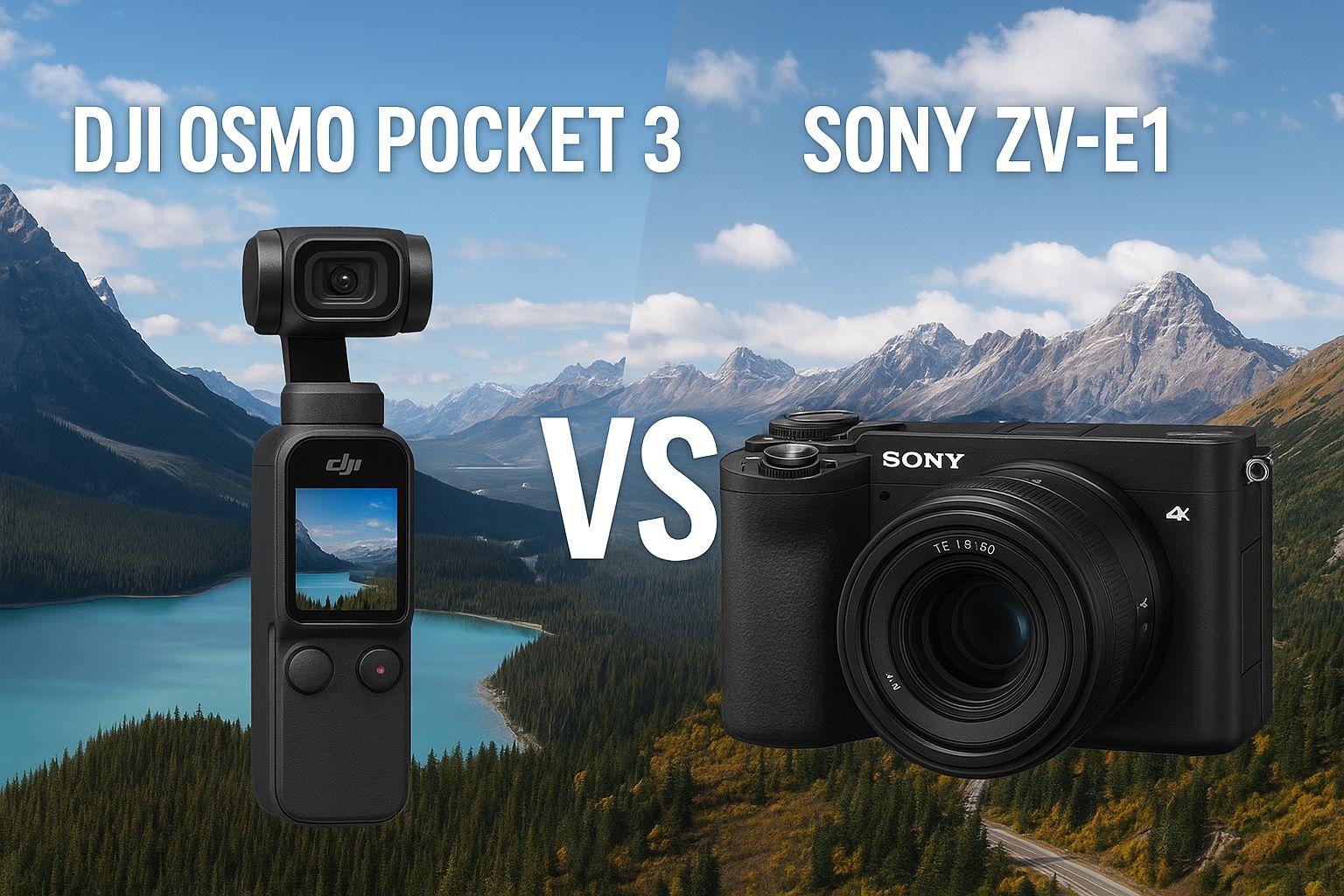
DJI Osmo Pocket 3 vs Sony ZV-E1: In-Depth Comparison for Vloggers 2025

DJI Osmo Pocket 3 vs Sony ZV-E1: In-Depth Comparison for Vloggers 2025
  • DJI Osmo Pocket 3: a tiny, all-in-one 4K camera permanently mounted on a 3-axis gimbal. It fits in a pocket, boots fast, and is designed for stabilized handheld video without lenses, cages or a rig. Think “always-with-you” camera for travel, walk-and-talk vlogs, behind-the-scenes clips, and quick social posts. It uses a 1-inch sensor and can record up to 4K/120 in select modes. B&H Photo VideoDJI Official
DJI Osmo Pocket 3 vs Sony ZV-E1: In-Depth Comparison for Vloggers 2025
  • Sony ZV-E1: a full-frame, interchangeable-lens mirrorless camera built for creators who want shallow depth of field, top-tier low-light, “AI” framing tools, and flexible lens choices. Out of the box it shoots 4K/60; 4K/120 and 1080/240 are available via an upgrade license (not just a free firmware toggle). It uses a 12.1MP BSI sensor (Exmor R) and Sony’s NP-FZ100 battery. RedditDPReviewHelpguide

The bottom line up front: Osmo Pocket 3 is about portability and baked-in stabilization; ZV-E1 is about cinematic image quality and system flexibility.


Sensor, image quality & low light

  • Size & look
    • Pocket 3: 1″-type sensor. That’s large for a pocket camera and much bigger than action cams, so you get cleaner footage, more dynamic range, and nicer highlight roll-off than typical “phone-plus-gimbal” setups. You’ll still see deeper depth of field than a full-frame camera at the same framing and f-stop. B&H Photo Video
    • ZV-E1: full-frame 12MP sensor (35.6×23.8mm). Fewer megapixels on a big sensor means larger photosites—great for low light. Paired with fast lenses (f/1.8, f/1.4), you can get creamy background blur and excellent high-ISO performance. Sony rates the camera to ISO 80–102,400 for stills (extended to 409,600) and similar video equivalents. SonyHelpguide
  • Resolution & frame rates
    • Pocket 3: 4K up to 120 fps, with 4K/60 as a sweet spot for quality/rolling shutter. Slow-motion looks clean, and the 1″ sensor helps keep noise down relative to action cams. B&H Photo Video
    • ZV-E1: 4K/60 internal standard; 4K/120 and FHD/240 via paid upgrade license (Sony’s “Camera Upgrade” program). If you need 4K/120 on ZV-E1, factor in that extra step/cost. DPReviewHelpguide
  • Dynamic range & profiles
    • Pocket 3 offers flat/log color and 10-bit recording options (DJI’s log flavors) for grading flexibility in a compact form. (DJI markets this as a creator-oriented device with 10-bit capture and D-Log M/HLG support in marketing materials and dealer listings.) B&H Photo Video
    • ZV-E1 supports Sony’s picture profiles including S-Log3 and S-Cinetone, pairing well with Sony’s color pipeline and grading workflows for multicam shoots. It’s a natural fit if you already shoot on Sony A-series bodies. Sony
DJI Osmo Pocket 3 vs Sony ZV-E1: In-Depth Comparison for Vloggers 2025

Takeaway: If your priority is clean, cinematic low-light and shallow DOF, ZV-E1 wins decisively. If you want better-than-phone quality in a tiny, stabilized package, Pocket 3 is surprisingly close in good light and simpler to operate.


Stabilization & handling

  • Osmo Pocket 3 uses a hardware 3-axis gimbal—the gold standard for smoothing footsteps and pans in-camera. No need to balance anything or add a separate gimbal; it’s built in. This is a huge advantage for solo run-and-gun work. B&H Photo Video
  • ZV-E1 relies on in-body 5-axis stabilization (IBIS) plus electronic “Active” modes. It works well, especially with lenses that have OSS, but it won’t match the micro-jitter-free look of a well-tuned gimbal when you’re walking quickly. You can, of course, mount the ZV-E1 on a dedicated gimbal when needed. Lensrentals

Takeaway: Out of the box, Pocket 3 gives you gimbal-smooth video with zero rigging. ZV-E1 stabilization is good for handheld and gentle moves, but for true “floaty” motion you’ll add a gimbal.


Autofocus & subject tracking

  • Pocket 3 features DJI ActiveTrack on a gimbaled system. It can physically rotate to keep faces centered and handles reframing smoothly for walk-and-talk pieces. It’s simple and reliable, especially at arm’s length. Lifewire
  • ZV-E1 inherits Sony’s AI-assisted AF (human/animal recognition, eye AF) and Auto-framing that crops the 4K image to follow you without a cam-op. With appropriate lenses, focusing is sticky and cinematic racks are easy. TechRadar

Takeaway: For “point-and-go” tracking while moving, Pocket 3 is wonderfully consistent; for cinematic AF behavior and lens-based looks, ZV-E1 is more powerful.


Lenses, field of view & creative control

  • Pocket 3: fixed lens. It’s fast enough and wide enough for most vlogging and travel shots, and you can add magnetic wide-angle adapters. The constraint is also a strength—no lens decisions, no dust on the sensor, and a truly pocketable rig. B&H Photo Video
  • ZV-E1: E-mount means virtually endless lens choices (ultra-wide vlog zooms, fast primes, macro, cine glass). This is the main reason people step up: you control perspective, compression, subject separation, and flare characteristics. Sony

Takeaway: If you want the look of fast glass (35/1.4, 50/1.2), the ZV-E1 is in another league. If you prefer no-fuss shooting, Pocket 3’s fixed lens keeps you light and quick.


Audio

  • Pocket 3: built-in mics plus Creator Combo options for wireless audio and accessories. For fast social content, the on-board sound is serviceable; adding a wireless mic is straightforward using DJI’s ecosystem. B&H Photo Video
  • ZV-E1: hot-shoe digital audio with Sony mics, 3.5mm mic and headphone jacks, and better preamps overall. If you record interviews or multi-mic setups, ZV-E1’s audio I/O is more flexible. Sony

Codecs, color, and workflow

  • Pocket 3: 10-bit capture, DJI Log profiles (e.g., D-Log M) give you grading headroom in a tiny camera; files are easy to edit on modest laptops. Great for creators who want quick turnaround with occasional color grading. B&H Photo Video
  • ZV-E1: 10-bit 4:2:2 internal options and Sony’s professional color science (S-Log3/S-Cinetone). If you’re matching to other Sony bodies or delivering to clients with grading pipelines, this is the safer bet. Sony
DJI Osmo Pocket 3 vs Sony ZV-E1: In-Depth Comparison for Vloggers 2025

Battery, recording times & reliability

  • Pocket 3: long runtimes for its size and fast charging; DJI quotes well over an hour of 4K on a charge depending on settings. Importantly, it’s a single integrated unit—no cables to jiggle loose—and the gimbal keeps stabilization consistent even as the battery drains. Lifewire
  • ZV-E1: uses Sony’s NP-FZ100 (a workhorse battery across A-series). Swappable packs mean all-day shoots are easy; heat performance is solid for a compact full-frame body, and unlimited record options depend on temperature/manageable settings. Sony

Size, weight & build

  • Pocket 3: literally pocketable—the point of the product. It’s the camera you’ll take everywhere, including places you wouldn’t bring a “real” rig. B&H Photo Video
  • ZV-E1: one of the smallest full-frame bodies, ~1 lb 1.1 oz with battery/card, but once you add a lens (and maybe a mic or mini tripod), you’re carrying a small kit. Still very travel-friendly by full-frame standards. Sony

Livestreaming & creator convenience

  • Pocket 3: UVC support and streamlined live options via DJI’s app ecosystem; easy to treat as a high-quality webcam with stabilized framing. Digital zoom during UVC/live is supported (with quality caveats). DJI Official
  • ZV-E1: UVC/UAC streaming over USB-C, strong in-body mics with windscreen, tally/recording cues, and creator-focused modes (Background Defocus, Product Showcase). If you need interchangeable lenses for streams (e.g., 24mm for desk, 85mm for interviews), ZV-E1 is more versatile. Sony

Special features worth noting

  • Pocket 3
    • 2″ rotatable touchscreen that flips to face you.
    • Mechanical gimbal tricks like SpinShot and buttery motionlapse built in.
    • Creator Combo bundles add a mini handle, wide adapter, mic, and case—nice value for beginners. B&H Photo Video
  • ZV-E1
    • AI Auto-Framing and Multiple Face Recognition to keep groups sharp; very handy for one-person crews.
    • License-based upgrades (4K/120, FHD/240). Know this before purchase so you aren’t surprised later.
    • E-mount ecosystem: from ultra-wide vlog zooms to cinema primes; you can grow with the camera. TechRadarHelpguideSony

Practical image differences you’ll actually see

DJI Osmo Pocket 3 vs Sony ZV-E1: In-Depth Comparison for Vloggers 2025
  1. Background blur & subject separation
    • ZV-E1 + fast lens delivers that unmistakable “cinema” isolation, especially indoors where backgrounds are close and messy. Pocket 3 can blur a bit at close focus, but its 1″ sensor keeps more in focus—often good for travel and run-and-gun, less “wow” for talking-head bokeh lovers. SonyB&H Photo Video
  2. Motion rendering while walking
    • Pocket 3’s gimbal looks smooth with minimal warpy artifacts; you can jog or climb stairs and keep a usable shot. ZV-E1’s IBIS/Active is better than many cameras but still shows micro-jitter and the occasional wobble on wides unless you add a gimbal. B&H Photo VideoLensrentals
  3. Low light
    • ZV-E1 maintains color fidelity and detail at higher ISOs thanks to that big sensor and clean readout; Pocket 3 does well for its size but will look grainier/softer at the same illumination. HelpguideB&H Photo Video
  4. Slow motion
    • Both can do 120p; ZV-E1’s 4K/120 requires the upgrade license but pairs with fast lenses for dramatic looks. Pocket 3’s 4K/120 is terrific for action and travel, with stabilization built into the capture. DPReviewB&H Photo Video

Reliability & “gotchas”

  • Pocket 3: No lens cap anxiety, no sensor dust, no lens to choose. The tradeoff is you’re married to its field of view and look. Bright sun is fine (the screen is decent), and ND filters are easy to add. If you’re used to a phone gimbal, this is simpler and better stabilized. B&H Photo Video
  • ZV-E1: Make sure you understand the license for advanced slow-motion. Also consider that lenses dramatically change the experience—compact primes (e.g., 24/2.8, 40/2.5) keep it light; a 24–70/2.8 turns it into a bigger rig but with pro flexibility. Helpguide

Price & value thinking

  • Osmo Pocket 3 is far cheaper as a complete system; the Creator Combo is a strong starter value. If your output is primarily YouTube, TikTok, Insta and you want stabilized 4K with minimal fuss, the cost-to-quality ratio is outstanding. Lifewire
  • ZV-E1 body is costlier, and you’ll add lenses, batteries, and maybe a small gimbal or cage. But if you need client-grade image quality, lens flexibility, advanced profiles, and you intend to grow a kit, it’s an investment that scales. TechRadar

Which one should you get?

  • Pick DJI Osmo Pocket 3 if you want:
    • A zero-setup 4K camera that you’ll actually carry daily.
    • Gimbal-smooth footage while walking, no accessories required.
    • Fast capture for travel, events, venue walk-throughs, and B-roll.
    • A discreet camera for places where a big rig is awkward. B&H Photo Video
  • Pick Sony ZV-E1 if you want:
    • Full-frame aesthetics (low-light excellence, shallow DOF).
    • Lens flexibility for different looks and pro needs.
    • AI tools (auto-framing) and robust 10-bit profiles for grading/multicam.
    • The option to push into 4K/120 (via upgrade) or build a larger production kit over time. TechRadarHelpguide

A quick spec snapshot (creator-relevant)

  • Sensor: 1″ (Pocket 3) vs Full-frame 12MP (ZV-E1). Advantage: ZV-E1 for image latitude/low light. B&H Photo VideoSony
  • Stabilization: Mechanical gimbal (Pocket 3) vs IBIS/Active (ZV-E1). Advantage: Pocket 3 for walking shots out of the box. B&H Photo VideoLensrentals
  • Frame rates: Both to 4K/120; ZV-E1 requires license. DPReview
  • Profiles: DJI 10-bit Log options vs Sony S-Log3/S-Cinetone. Advantage: ZV-E1 for matching Sony ecosystems. B&H Photo VideoSony
  • Audio I/O: Pocket 3 integrated + DJI wireless add-ons vs ZV-E1 full I/O with digital hot-shoe. Advantage: ZV-E1 for pro audio. B&H Photo VideoSony
  • Portability: Pocket 3 is truly pocketable; ZV-E1 is small for full frame but becomes a kit once you add lenses. Sony
  • Ecosystem: Pocket 3 is self-contained; ZV-E1 taps the entire E-mount world. Sony

Final recommendation

If your content lives on social platforms, you shoot a lot while moving, and you value speed and simplicity over ultimate control, the DJI Osmo Pocket 3 is a joy—and its footage far outclasses phones and action cams in many scenarios. It’s the “don’t-think-just-shoot” choice that guarantees steady, sharp 4K with minimal setup. B&H Photo Video

If you’re aiming for a cinematic look, often shoot indoors or in low light, plan to build a lens kit, or need pro-grade color and audio options, the Sony ZV-E1 will grow with you and unlock styles the Pocket 3 can’t emulate. Just remember to budget (money and time) for the 4K/120 license if that’s key to your work.
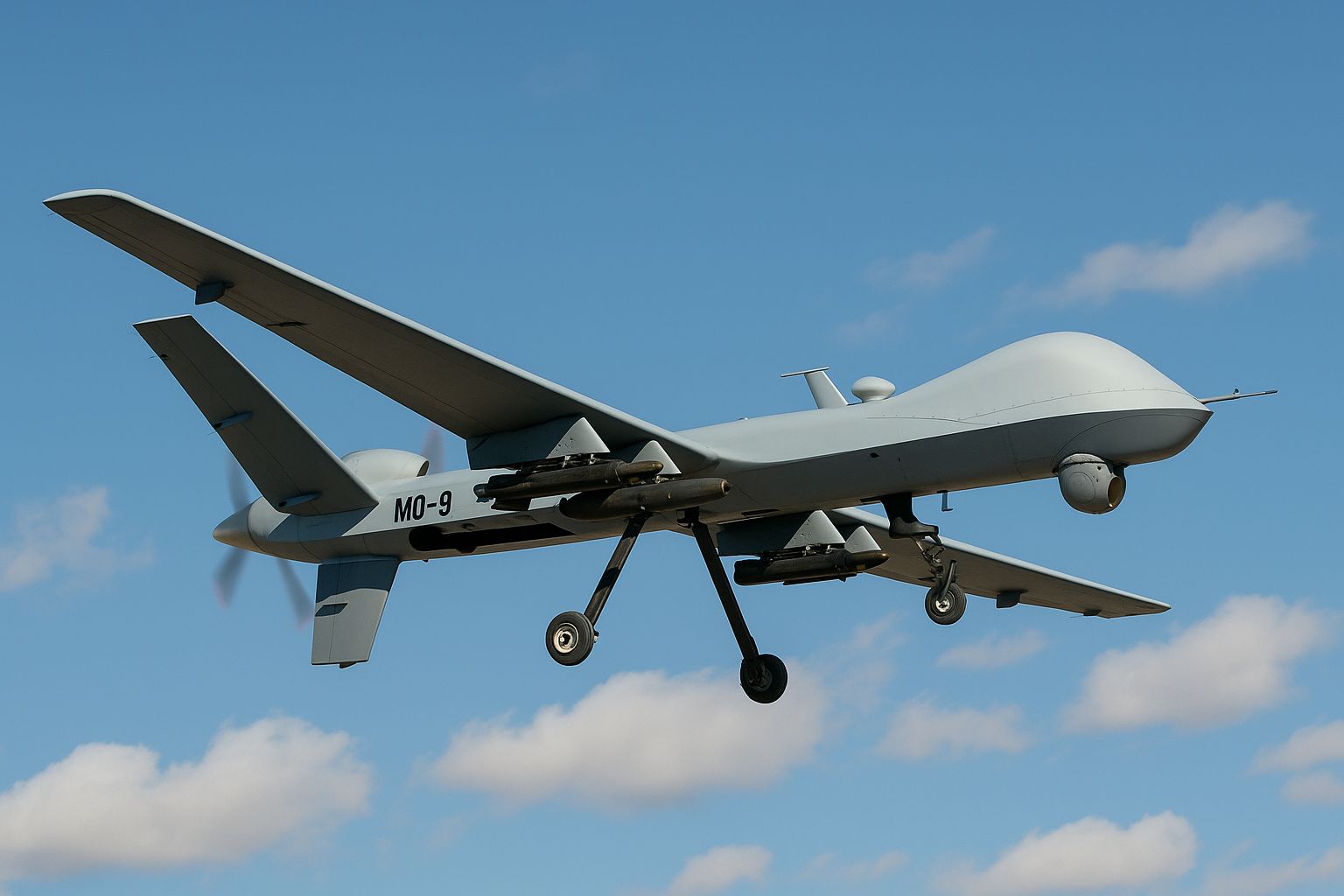
The Untold Story of the MQ-9 Reaper Hunter Drone

The Untold Story of the MQ 9 Reaper Hunter Drone

Table of Contents

  1. Born for the New Battlefield How the Reaper Changed the Game
    – Origins of the MQ-9 and why it was built
    – Its role in modern wars across the Middle East
    – The shift from surveillance to precision strike
  2. Built to Watch, Trained to Strike
    – How the MQ-9 operates and gathers intelligence
    – Remote control and human decision-making
    – Role in both combat and humanitarian missions
  3. The Future of the Sky: Where the Reaper is Heading Next
    – Upgrades in autonomy sensors and survivability
    – Use in drone swarms and contested airspace
    – Reaper’s lasting legacy in military history
The Untold Story of the MQ-9 Reaper Hunter Drone

Born for the New Battlefield How the Reaper Changed the Game

The MQ-9 Reaper is far more than simply a robot; it is an emblem of how contemporary warfare has altered forever. It is sleek, fast, and deadly, and unlike older drones built just for surveillance, the Reaper was intended from the start to hunt and strike from the sky. It came out of a new era where enemies could be anyplace, hiding in mountains, deserts, or behind city walls, and traditional fighter jets were too fast, too loud, and too expensive to loiter for long. The Untold Story of the MQ-9 Reaper Hunter Drone

The Reaper stepped in with long wings, a powerful engine, and the patience of a hawk. It can fly for more than 24 hours silently over a target and, when necessary, attack in seconds with missiles or explosives. It became the eye in the sky for the United States and its allies, monitoring battles in Afghanistan and Iraq. Syria and Beyond The Reaper transformed the way operations operated. Instead of waiting hours for air assistance, soldiers now had a silent companion above providing live footage and ready to act in real time. The MQ-9 is not simply a flying robot; it is a new sort of presence in war—one that never blinks and never tires.The Untold Story of the MQ-9 Reaper Hunter Drone

Built to Watch, Trained to Strike

What separates the MQ-9 Reaper was not merely its armament, however, but how it gazes and thinks. The drone is handled from afar by a pilot and sensor worker sitting in a climate-controlled facility, usually thousands of miles from the conflict. With high-definition cameras, infrared sensors, and powerful radar systems, the Reaper acquires massive volumes of information. It measures everything from autos and footfall toeven radiation signatures at night. It may track a single person across tough terrain or a convoy passing through dust storms. With this degree of precision, the Reaper is not simply a weapon but also a scout, analyst, and guide for ground forces and special operations teams. The Untold Story of the MQ-9 Reaper Hunter Drone

When it hits, it does so accurately, launching Hellfire missiles or sending laser-guided explosions on targets picked after days or even weeks of monitoring. It is not about surprise and awe; it is about knowing exactly when and where to attack and decreasing the threat to both the civilian population and soldiers. The Reaper also plays a vital role in humanitarian missions, keeping track of wildfires, rescuing flood victims, and surveying hurt after natural disasters. It is a signal that technology built for battle may also be employed in times of calamity. Despite its quiet strength, the MQ-9 is a product of human decision-making. It does not kill on its own; its usefulness depends on how it integrates intelligence monitoring and precise action into one airborne system.

The Future of the Sky: Where the Reaper is Heading Next

The Untold Story of the MQ 9 Reaper Hunter Drone


As warfare changes, so does the MQ-9. The drone that revolutionized everything is now being modified to keep ahead of threats and adapt to new tasks. The US Air Force and military contractors are working on increasing the sensors’ connectivity and autonomy. Future versions of the Reaper may be able to fly in swarms, collaborate with human aircraft, and potentially avoid hostile air defenses utilizing improved algorithms and electronic countermeasures. It is being modified to survive in disputed skies where other drones may crash rapidly. Its wings are becoming stronger

Its brain is getting sharper, and its missions are more diversified. At the same time, the world is changing, and other nations are constructing their own versions of armed drones, which means the MQ-9 must adapt not just to remain ahead but also to continue setting the standard. In a world of conflicts waged with information and choices made in seconds, the Reaper remains at the core of how contemporary armies work. It may not sound like a fighter plane, but its quiet endurance and pinpoint attacks have molded policy, saved lives, and revolutionized how countries project power. The MQ-9 Reaper is not simply a machine in the sky; it is the eye of a new sort of hunter, and it will very likely continue flying in roles both visible and hidden for many years to come.

Wings of Defiance Real Story Behind Iranian Drones

Inside the Silent Sky: Fascinating Truths About Iranian Drones

Table of Contents

  1. From Sanctions to Skies
    – How Iran turned international isolation into innovation
    – The rise of the Ababil and the philosophy of doing more with less
    – Shahed 136 and the strategy of swarming over sophistication
  2. Learning from the Enemy and Teaching the Region
    – Reverse engineering the RQ-170Sentinel
    – Creation of the Saegheh and hybrid drone models
    – Drone exports to Hezbollah, Houthis, and regional proxy groups
    – Psychological warfare and indirect influence
  3. What the Future Holds for Iran’s Drone Army
    – Development of Kaman 22 and long-range UAVs
    – Integration of AI and swarm tactics
    – Overcoming sanctions through adaptation
    – Drones as symbols of resistance strategy and future power
Wings of Defiance Real Story Behind Iranian Drones

From Sanctions to Skies How Iran Turned Struggle into Strategy

Iran did not start producing drones to show off technology or compete with world powers; it began because it had no other alternative. In the 1980s, during the long and bitter war with Iraq, Iran was cut off from weapons and components. It had old planes, a diminishing air force, and no means to compete with better-equipped rivals. Instead of giving up, Iranian engineers searched for another approach. Wings of Defiance Real Story Behind Iranian Drones

They began creating tiny unmanned aircraft only to obtain eyes in the sky. These early versions, such as the Ababil, were rudimentary, slow, and did not carry large weaponry, but they got the job done, and, most significantly, they were developed at home by local brains. A whole different approach emerged from that small beginning.

Iran learned that it did not need to imitate American technology piece by piece; it just needed tools that functioned, ones that could fly far and hit smartly. That’s where drones like the Shahed 136 come in. They’re not fancy, but they’re inexpensive, simple to produce, and lethal in numbers. Iran learned to employ them in swarms, overpowering defenses and sneaking past radar with sheer presence rather than stealth. It wasn’t about flair but about efficacy, and that approach transformed everything. Wings of Defiance Real Story Behind Iranian Drones

Learning from the Enemy and Teaching the Region

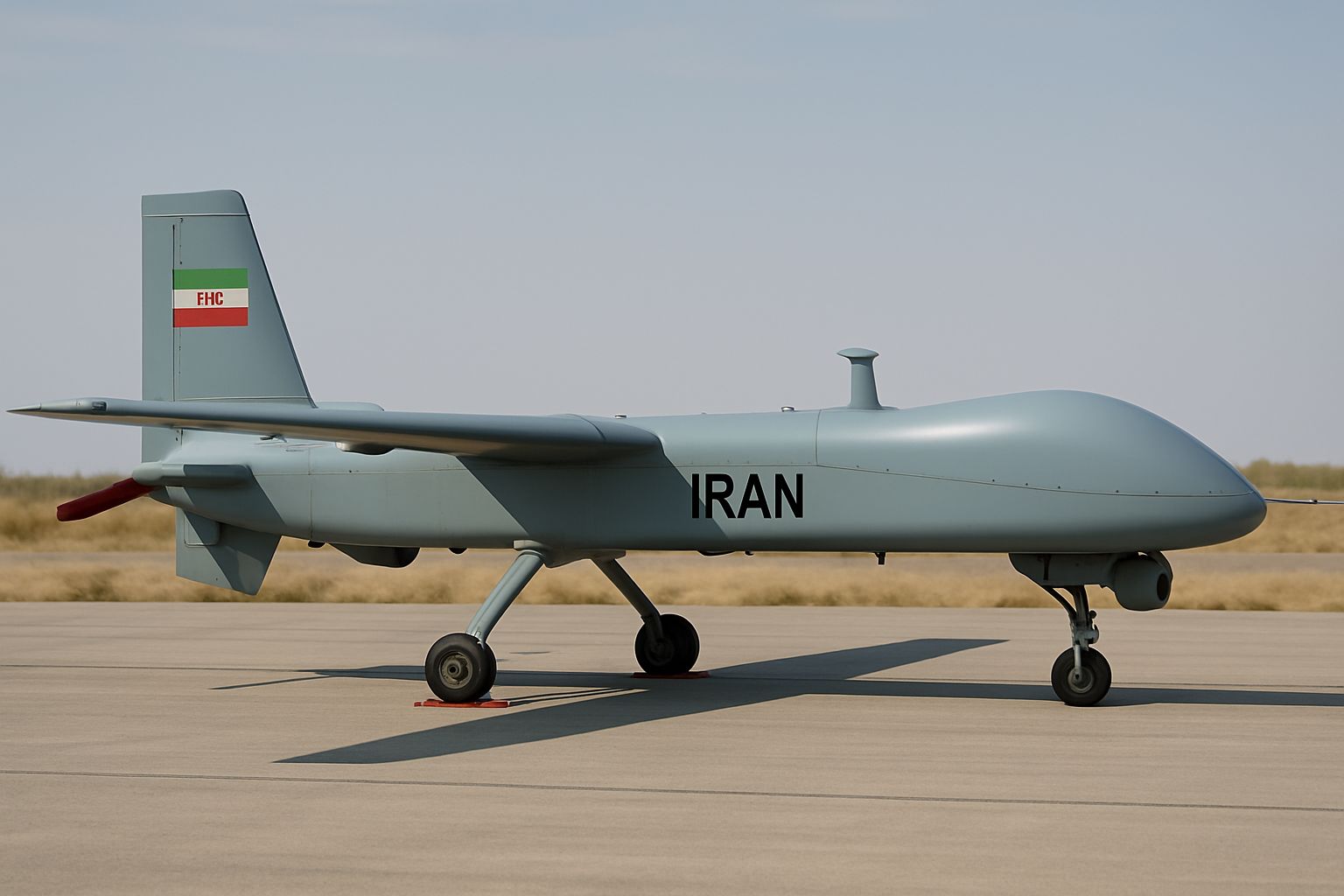
What truly propelled Iran’s drone program ahead was its capacity to learn by observing and occasionally by capturing Iran reportedly took down a US stealth drone, the RQ-170 Sentinel, in 2011, and instead of simply showing it off, they examined it thoroughly. Iranian engineers opened it apart, figured out how it operated, and then created their own version dubbed the Saegheh.

Wings of Defiance Real Story Behind Iranian Drones

It did not have to be flawless; it simply had to fly and send a message. That type of reverse engineering has become a trademark move for Iran. They take what others toss away or lose and transform it into something worthwhile. Their drones are a hodgepodge of old tech, new ideas, and creative thinking. But Iran is not keeping this to itself; its drones have become a significant export in the shape of assistance to regional friends and proxy organizations.

Groups like Hezbollah, the Houthis, and numerous militias now have access to Iranian drones. These groups use them not simply to strike but to collect information and sustain pressure on opponents. Iran may attack without ever deploying a soldier, only by sending a drone. That alters the game. It gives Iran reach, power, and influence far beyond its boundaries, and even when the drones do not attack, they still matter because they inspire dread. They make opponents wonder what is above them, watching, waiting, ready. Iran has turned drones into both weapons and warnings. silent signals that suggest you are not secure. We are here

What the Future Holds for Iran’s Drone Army

Today, the Islamic Republic’s drone plan is no longer merely one of survival; it is about ambition. They are developing bigger drones with greater reach and heavier cargo, among them the Kaman 22, a large drone that can carry multiple bombs and stay in the air for hours. They are also looking at new tech like artificial intelligence and automated systems, where drones talk to each other, make decisions on the fly, and attack as a group. This concept of drone swarms is not science fiction for Iran;

Wings of Defiance Real Story Behind Iranian Drones

it is becoming a reality

This might make Iranian drone attacks quicker, smarter, and tougher to stop. Despite harsh sanctions and persistent pressure from the outside world, Iran’s drone developers continue to find methods to go ahead. They develop with what they have, adapt, and continually test new limitations. These drones are more than tools; they represent how a nation can hold its own by thinking differently. In a world full of billion-dollar weapons, Iran demonstrates that sometimes the most powerful things are little, silent, and unrelenting. Drones without pilots produced by those who refuse to stop pushing ahead are the actual force behind Iran’s skies.

Agricultural Drones Revolutionizing Modern Farming

Agricultural Drones Revolutionizing Modern Farming

Table of Contents

  1. What Are Agricultural Drones?
  2. Key Uses of Agricultural Drones
    • 2.1 Field Surveillance and Monitoring
    • 2.2 Crop Health Assessment
    • 2.3 Soil and Field Analysis
    • 2.4 Aerial Spraying
    • 2.5 Crop Planting
  3. Benefits of Using Agricultural Drones
  4. Challenges and Limitations
  5. The Future of Agricultural Drones
  6. Conclusion
Agricultural Drones Revolutionizing Modern Farming

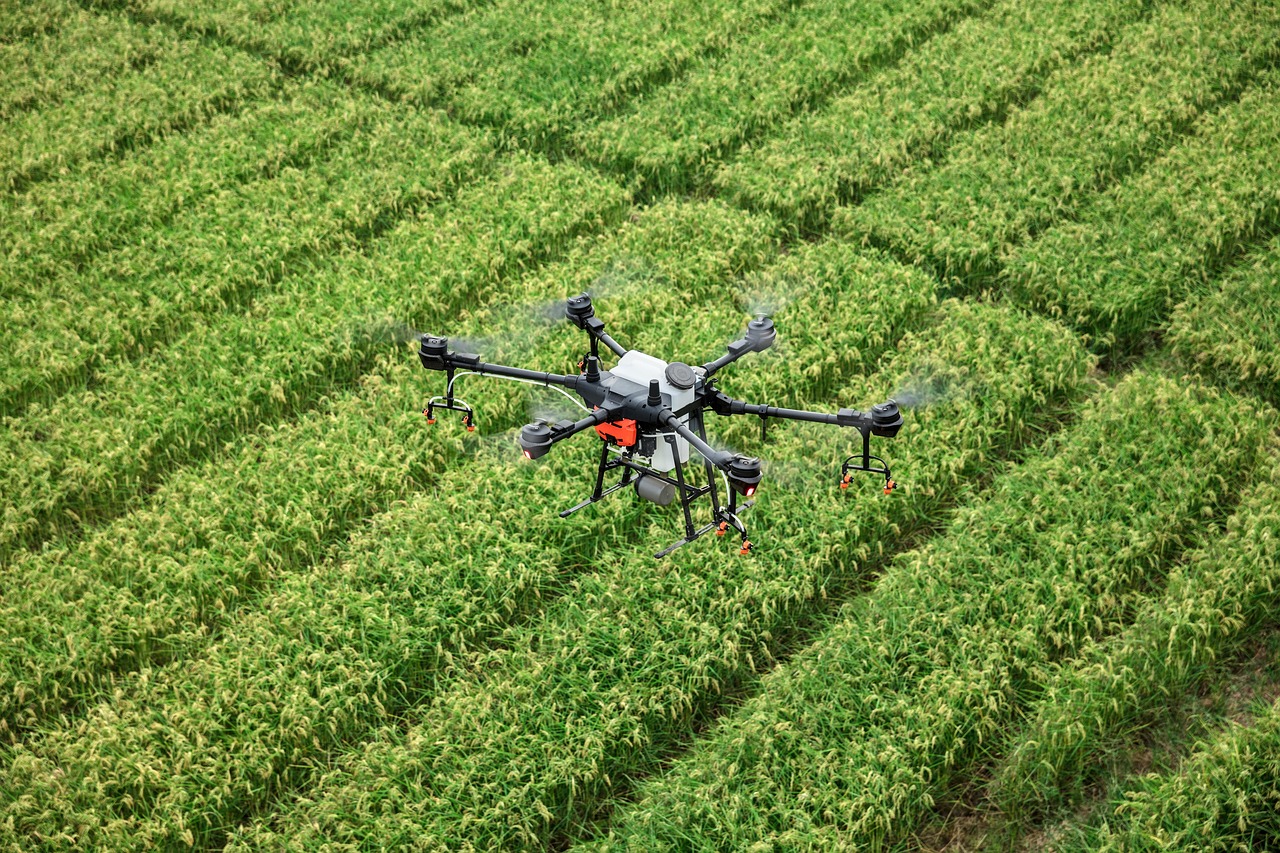
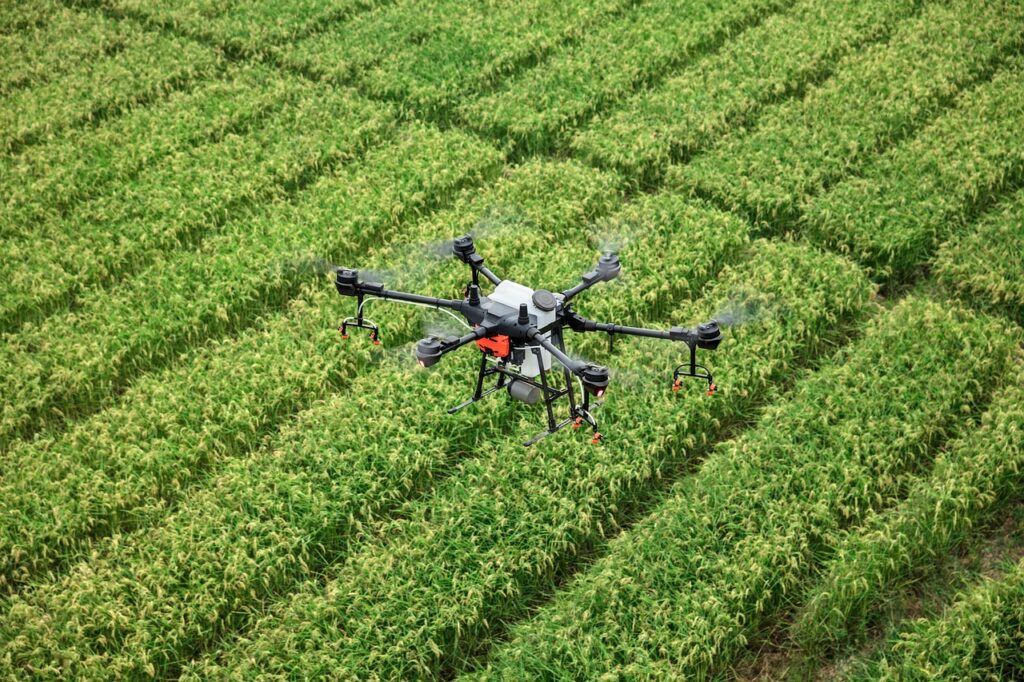
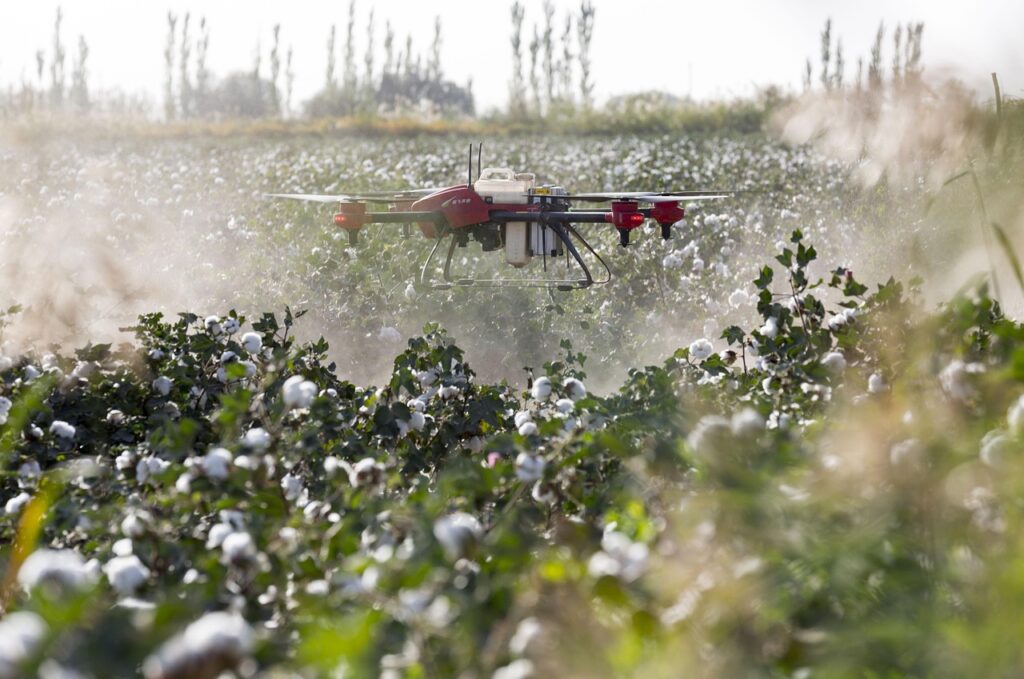
In the year recent years, growing crops has undergone a technological transformation, with drones taking a significant part in transforming agricultural processes. Agricultural drones, also known as agri aerial vehicles, are unmanned the air vehicles (UAVs) that serve in monitoring, analyzing, and managing agricultural operations. Their rising popularity highlights how innovation is helping farmers raise efficiency, decrease labor, and improve agricultural output.

What Are Agricultural Drones?

Agricultural drones are fitted with cameras, sensors, GPS, and occasionally sprayers, enabling them to do numerous jobs such as:

Crop monitoring

Soil analysis

Planting

Irrigation management

Pesticide and fertilizer spraying

Agricultural Drones Revolutionizing Modern Farming

These unmanned aerial vehicles can cover enormous regions fast, acquire precise airborne data, and give landowners with knowledge that would be challenging or tedious to obtain manually.

Key Uses of Agricultural Drones

Field Surveillance and Monitoring

Drones may take high-quality captures of crops, helping farmers to discover concerns like insect infestations, nutritional deficits, and irrigation difficulties early. This allows quicker and more focused actions

Crop Health Assessment

furnished with multicolored sensors, drones can look into the wellness of crops by monitoring metrics like green pigment levels and plant vitality. This data helps agriculturalists recognize the growth designs and potential profits of their crops

Soil and Field Analysis

preceding growing, drones can survey and assess soil situations, helping to identify ideal growing patterns and irrigation schedules. Some drones can even offer 3D maps to aid with precision agricultural approaches

Aerial Spraying

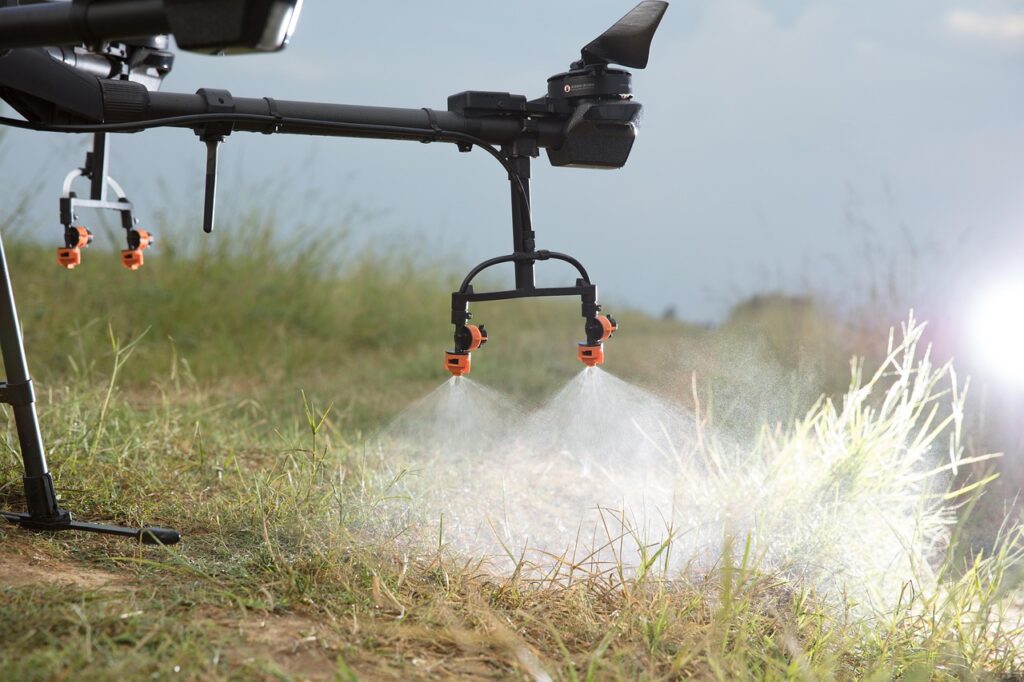
Application by spraying drones may administer pesticides, herbicides for and fertilizers with great accuracy, decreasing chemical waste and limiting exposure dangers for agricultural workers. They are particularly handy in rough terrains where tractor models or people may not reach readily

Crop Planting

Even though still a young function, certain aerial vehicles have the capacity of seed grafting, which may save energy and time during the first phases of farming

Benefits of Using Agricultural Drones

Increased Efficiency refers to Drones can scan and spray fields considerably quicker than human labor.

Cost Savings: Reduced demand for personnel and better use of the water and chemicals decreases expenses.

Better Yields: Instantaneous data helps make educated choices, eventually enhancing agricultural yield.

Green Farming: Targeted herbicide application and monitoring lessen environmental effect.

Labor dearth Solution: Automation helps with the dearth of competent agricultural labor in several locations.

Agricultural Drones Revolutionizing Modern Farming

Challenges and Limitations

High First Costs: The standard drones with complex sensors and software may be pricey.

The technique Skills Required: Farmers require training to operate aircraft and comprehend the data.

Legal Challenges: Many nations have strong restrictions controlling drone operation, particularly for for business. reasons.

The weather Dependency: Droids cannot be utilized properly during bad conditions, for instance heavy rain or high gusts.

The Future of Agricultural Drones

With breakthroughs in artificial cognitive ability, devices learning, and automated processes, the future years of agricultural drones seems bright. The use with other smart farming equipment, such as IoT indicators and robots, can make agricultural even other data-driven and sustainable. Governments and business enterprises have additionally invested in drone-based food production, recognizing its potential to promote nutritional stability and environmental conservation

Conclusion

Farming aircraft offer a major advance in farming technology, allowing smarter, more accurate, along with more sustainable agricultural methods. While problems exist, their advantages are too enormous to ignore. As more farmers embrace drone technology, it is expected to become a regular tool in contemporary food production, helping to feed a rising global population more effectively

Israel DronesThe Technology That Changed Modern Warfare

Israel DronesThe Technology That Changed Modern Warfare

Introduction

1Evolution of Israeli Drone Technology
2Strategic Uses and Military Applications
3Global Reach and Export Influence
4Ethical Considerations and Debates
5Future Outlook
6Conclusion

Many people agree that Israel is one of the most advanced countries in drone technology. Israeli unmanned aerial vehicles (UAVs), often known as drones, have changed the way we fight and watch over the world in many ways, from military usage to worldwide exports. The country’s strong concentration on security and defense innovation has led to the construction of drones that are efficient, dependable, and combat-proven. Israeli drone makers have produced cutting-edge UAV systems that are presently used in more than 50 nations across the world in the last few decades. Israel DronesThe Technology That Changed Modern Warfare

Early Development and History

After the Yom Kippur War in 1973, military planners decided they needed real-time information on the battlefield. This was the start of Israeli drones. Old ways of getting information were dangerous and didn’t always work, so new surveillance technologies were devised. Israel Aerospace Industries (IAI), the country’s biggest defense contractor, created the first drone prototypes that could be launched, flown from a distance, and used to take pictures and collect signals without putting people in risk.Israel DronesThe Technology That Changed Modern Warfare
The Scout drone was one of the first big successes in the late 1970s. It worked well during the 1982 Lebanon War, giving military commanders important live video footage. This was a turning point in how the Israel Defense Forces (IDF) conducted operations and prompted greater investment into drone technology.Israel DronesThe Technology That Changed Modern Warfare


Key Israeli Drone Models

Israel develops a long range of unmanned aircraft for diverse tasks. Of the those that are most well-known and commonly utilized are

Israel DronesThe Technology That Changed Modern Warfare

Heron

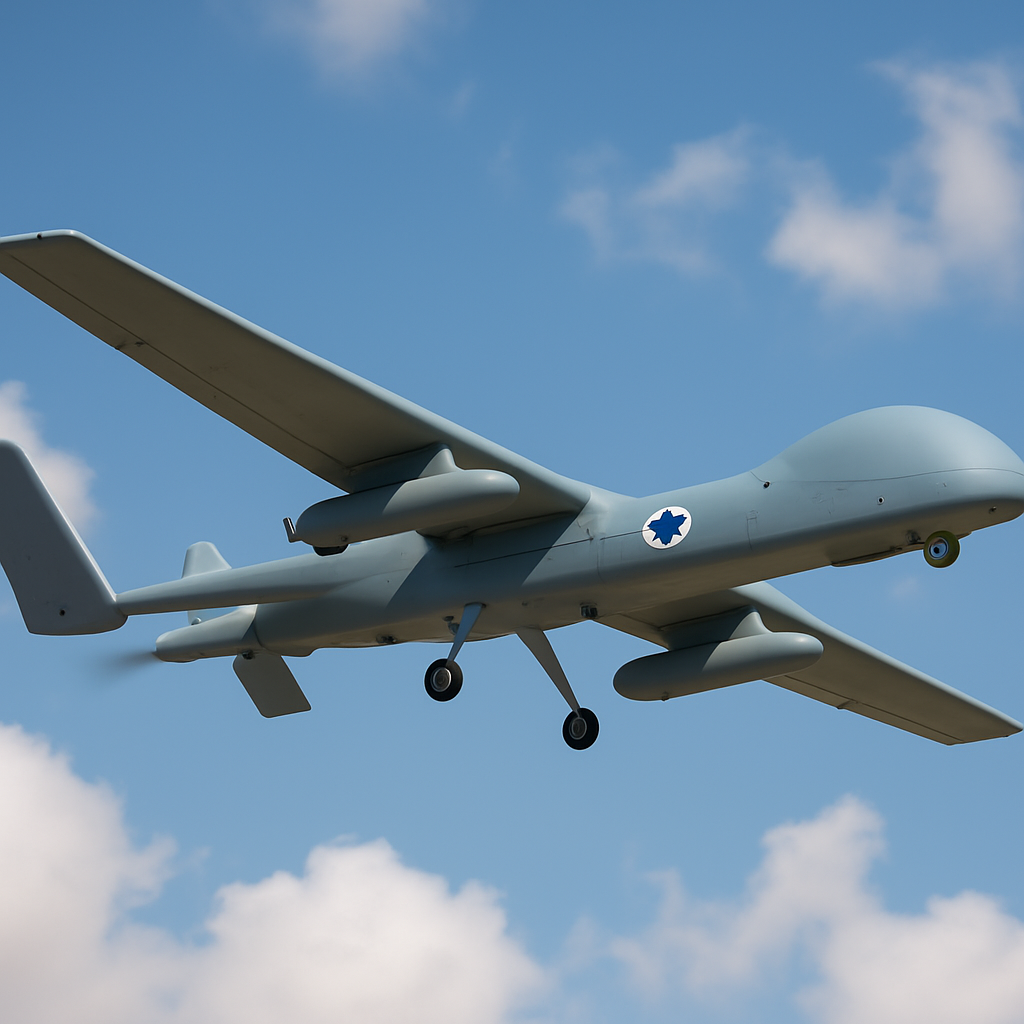
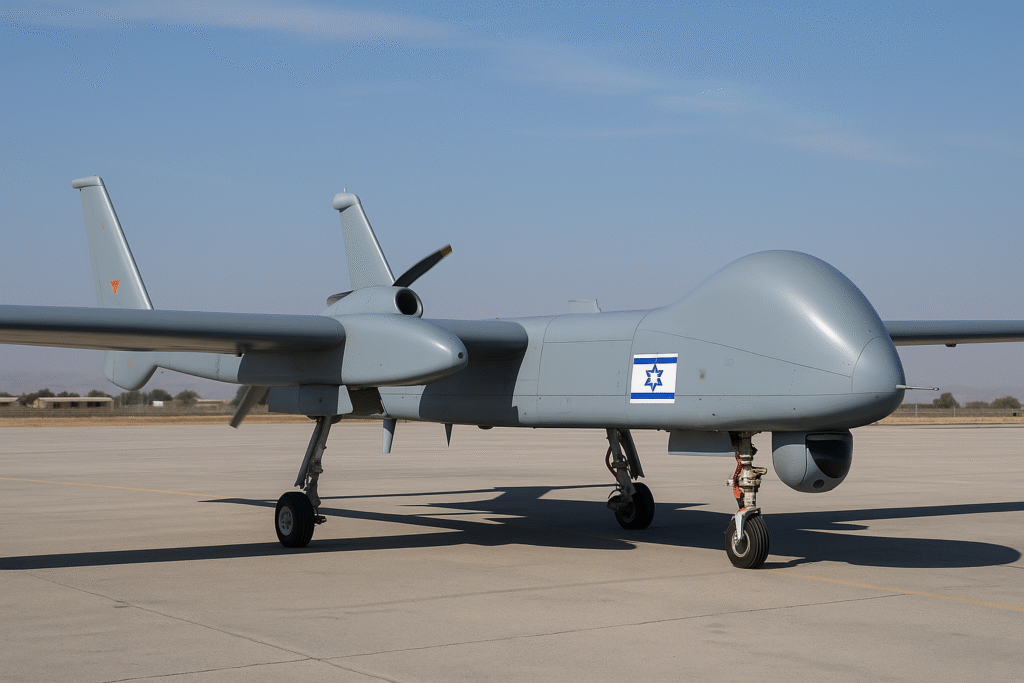
The Heron is a medium-altitude long-endurance (MALE) drone developed by IAI It can fly for more than 45 hours and reach heights of up to 35,000 feet It is equipped with modern sensors radar and video systems The Heron is employed for surveillance, border patrol, and battlefield intelligence. It has been exported to nations including India France and Turkey Israel DronesThe Technology That Changed Modern Warfare

Hermes 450 and Hermes 900

Built for Elbit Systems, which range the Hermes as a series is widely utilized by the IDF. The Hermes 450 is recognized for its lengthy durability and a high-re video capabilities. The bigger Hermes 900 delivers even higher flying time and can carry more equipment. Both serve their purpose for inspection, communication support, and maneuvering

Harop

This is a lingering munition drone or “the kamikaze. drone.” It may fly over an area until it selects a target, and then dive in and eliminate it by guide impact. The Harop combines the duties of a rocket and a drone in question. It has been sold to nations including India, Azerbaijan and and South Korea

Skylark

Israel DronesThe Technology That Changed Modern Warfare

The Skylark is a small, hand-launched tactical drone used by ground forces for short-range reconnaissance. It provides real-time video and is quiet and lightweight, ideal for missions at the infantry level

Military and Strategic Use

Israel employs drones heavily in its military activities. UAVs give real-time data to managers monitor border operations, and deliver precision strikes on high-value targets. Drones minimize the need for dangerous manned operations and enable for monitoring over broad regions for extended periods
During confrontations in Gaza, Lebanon, and yria, drones have let the IDF to watch insurgent movements, discover weapon depots, and attack with great accuracy. These actions assist reduce civilian casualties and enhance mission success rates
Israeli drones are also utilized in defense duties, such as spotting and intercepting approaching threats. Some UAVs are outfitted with electronic warfare devices to jam adversary radar and communication

Export and Global Influence

Israel is one of the world’s largest exporters of drone technology. Over the years, Israeli drones have been sold to more than 50 countries. The country’s drone industry is worth billions of dollars, and its systems are known for being reliable, combat-tested, and easy to operate.

Nations such as Germany, India, Brazil, and Singapore have incorporated Israeli drones into their air forces. The success of these exports has helped Israel build strong defense partnerships around the world and solidify its reputation as a technology leader.

Israeli companies like IAI, Elbit Systems, and Rafael Advanced Defense Systems continue to develop and improve UAVs, often integrating artificial intelligence, advanced sensors, and communication systems to meet modern demands

Future Trends and Innovation

The future of Israeli drone electronic devices hinges on increased autonomy, artificial information, and multi-role capabilities. Israel is focusing on swarm drone technology, where multiple small drones work together to achieve tasks such as monitoring, target identification, or computerized warfare.


Advanced Training Israeli drones are also being built for nonmilitary projects like as farms, disaster reaction search and rescue, and the environment monitoring These dual-use technologies are anticipated to play a crucial role in both civilian and defense usages in the future

Ethical Concerns and Challenges

Despite their advantages, Israeli drones have also prompted ethical and legal concerns The use of drones in targeted murders and monitoring particularly in densely populated regions, has prompted human rights concerns. Critics contend that drone attacks often cause innocent fatalities and challenge the lack of openness in decision-making procedures
Additionally the expanding usage of surveillance drones raises issues about privacy and data protection. While the technology is sophisticated, politicians are still striving to set clear norms and supervision systems for drone usage both inside and outside military activities

Conclusion

Israeli unmanned aerial vehicles have become a potent emblem of the nation s serving superiority and technical leadership What started as basic surveillance instruments has developed into a fleet of powerful unmanned plane capable of executing a wide stretch of duties. These drones now serve a key role in securing Israel’s borders, assisting war actions, and obtaining intelligence in real-time. They’ve also made a presence internationally with numerous nations adopting Israeli UAVs to stay their own defense requirements Despite their efficacy and the the lives they assist save by minimizing the need for human missions doubts regarding their ethical usage especially in war zones continue to stimulate international controversy. As drone manufacturing keeps progressing Israel will keep being at the forefront determining the future of aerial the defense and innovation