
B-1 Bomber America Supersonic Heavyweight of the Skies

B-1 Bomber America Supersonic Heavyweight of the Skies

Table of Contents

  1. B-1 Bomber: America’s Supersonic Heavyweight of the Skies
  2. The Icon of American Air Power
  3. A History of Resurrection and Redesign
  4. Power and Precision in Combat
  5. The Ground Crews and the Human Effort
  6. Legacy and the Road Ahead

1.The Icon of American Air Power

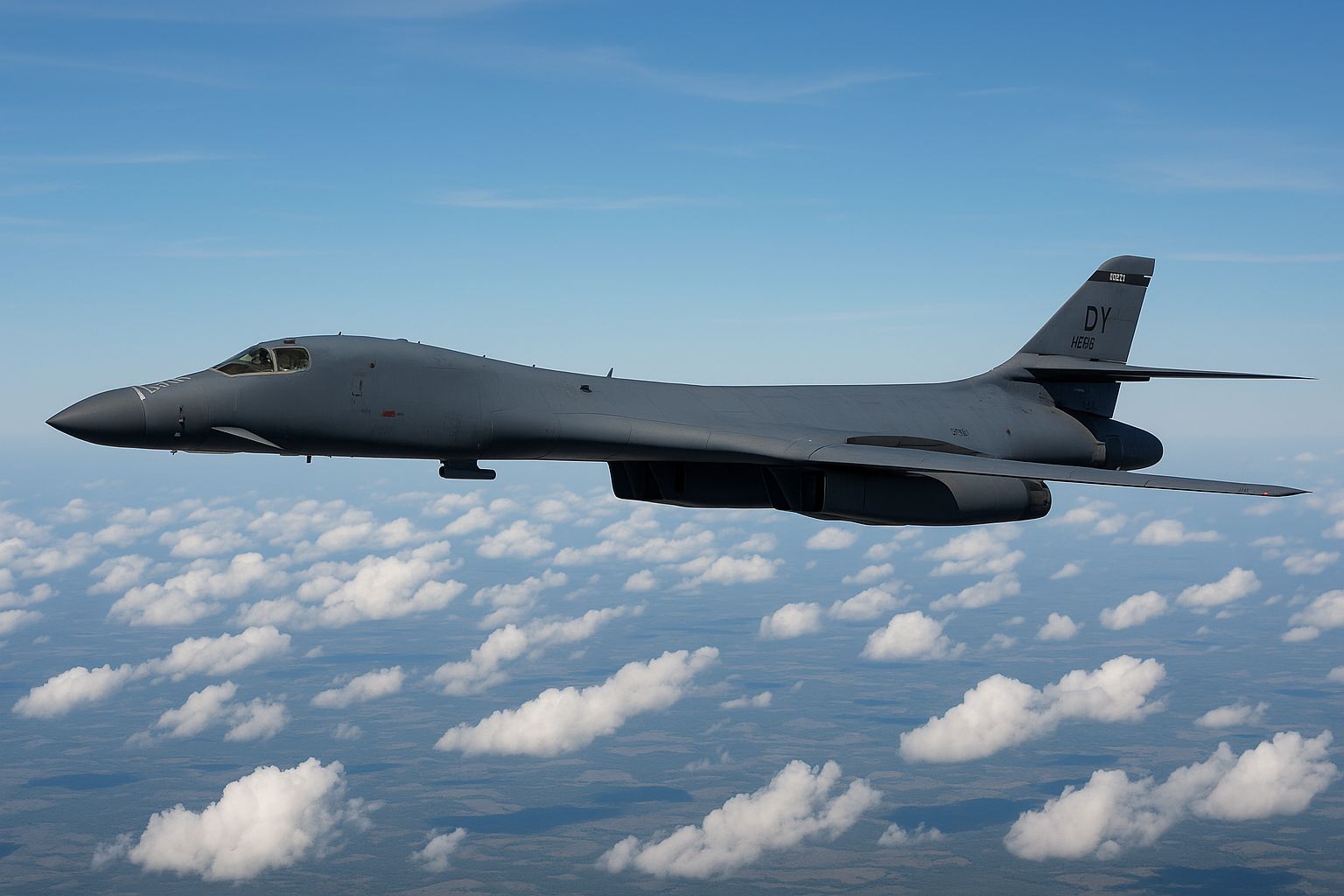
Experiencing a B-1 Lancer fly over the sky is something you won’t forget. It doesn’t just fly; it rules the sky with an image that draws attention. Known as “The Bone” by those who know it best (from “B-One”), this long-range bomber has spent decades acting as a symbol of American might and speed. It was developed amid a moment of high positions and global tension, yet it’s controlled to stay relevant by means of every decade since. The B-1 isn’t simply a result of Cold War engineering—it’s a living part of U.S. military history. It’s noisy, quick, and engineered to carry more bombs than any other terrorist in America’s arsenal during her career. But behind the specs and figures, the B-1 carries stories—stories of the people who fly it, mend it, and rely on it when things get difficult.B-1 Bomber America Supersonic Heavyweight of the Skies

B-1 Bomber America Supersonic Heavyweight of the Skies

2.A History of Resurrection and Redesign

The B-1’s journey hasn’t been easy. Back in the late 1960s, the Air Force needed something new—something that could replace the aging B-52 and fly faster, farther, and lower. The first version, the B-1A, was designed to reach blistering speeds and deliver nuclear payloads deep into enemy territory. But the program got scrapped in the late ’70s, caught in the middle of budget cuts and political debates. For a while, it looked like the B-1 might never get off the ground. Then came the 1980s. With Cold War tensions rising again, President Reagan brought the program back to life. Engineers gave it a makeover—it lost some of its speed but gained stealth, better survivability, and a huge bomb load. The reborn B-1B was built to fly low, fast, and under the radar, thanks to its swing-wing design that adapts mid-flight. What came out of that effort was a beast of a bomber—less flashy maybe, but far more effective.B-1 Bomber America Supersonic Heavyweight of the Skies

3.Power and Precision in Combat

Ask anyone who’s flown the B-1, and they’ll tell you—it’s more than a plane; it’s a team member. Pilots and crews describe the experience of flying the Lancer as something powerful, almost personal. The moment those four engines roar to life, you feel the weight of the mission. And when the jet drops to the deck, flying just a few hundred feet above the ground to avoid detection, it’s pure adrenaline. Though it was built for nuclear warfare, the B-1 has proven itself in modern conflicts again and again. In Iraq, Afghanistan, and Syria, it’s delivered life-saving air support with stunning accuracy. With guided bombs and real-time communication, B-1 crews have been able to respond to calls for help from troops on the ground within minutes. It can carry over 75,000 pounds of ordnance—more than any other bomber—and fly halfway around the world to deliver it. But what matters most is its reliability. When soldiers need support, the B-1 shows up—and it gets the job done.B-1 Bomber America Supersonic Heavyweight of the Skies

4.The Ground Crews and the Human Effort

Behind every mission is a crew of skilled, sleep-deprived, and incredibly dedicated maintainers. The B-1 is a complicated bird—it demands constant care and attention. Every bolt, every fuel line, and every wire has to be just right. Ground crews work in the heat, the cold, the dark, and the rain to keep these bombers ready. And while it’s not glamorous work, it’s deeply meaningful. These teams know that what they do on the ground directly impacts what happens in the air. They take pride in their work because lives depend on it. Over the years, as the B-1 has aged, keeping it airworthy has become a bigger challenge. But time and again, these maintainers rise to meet that challenge. There’s a special bond between the people who care for this aircraft and the machine itself—something that goes beyond duty. It’s respect, loyalty, and pride, all rolled into one.B-1 Bomber America Supersonic Heavyweight of the Skies

B-1 Bomber America Supersonic Heavyweight of the Skies

5.Legacy and the Road Ahead

The B-1’s time is running down, and this is not easy to recognize for the humans who’ve lived their lives alongside it. A new stealth bomber aircraft, the B-21 Raider, is getting set to capture the spotlight. But the B-1 isn’t done somewhat yet. It’s still fluttering expeditions still making an effect. And even once it ultimately quits, its history could live on. This plane wasn’t just for physical force—it was about flexibility. It changed with the times, found new tasks, and became more than what it was initially designed for. And in doing so, it won a place in the hearts of the men and women who additionally served with it. The B-1 offers a narrative not simply of combat and strategy, but of grit, teamwork, and endurance. It’s a narrative of citizens as much as it is of planes. As the B-1 slips into history, its sound will remain—a deep, rumbling reminder of an airplane that always delivered, no matter the mission.B-1 Bomber America Supersonic Heavyweight of the Skies

The Rise of the J-20 Chinas Stealth Powerhouse

The Rise of the J-20 Chinas Stealth Powerhouse

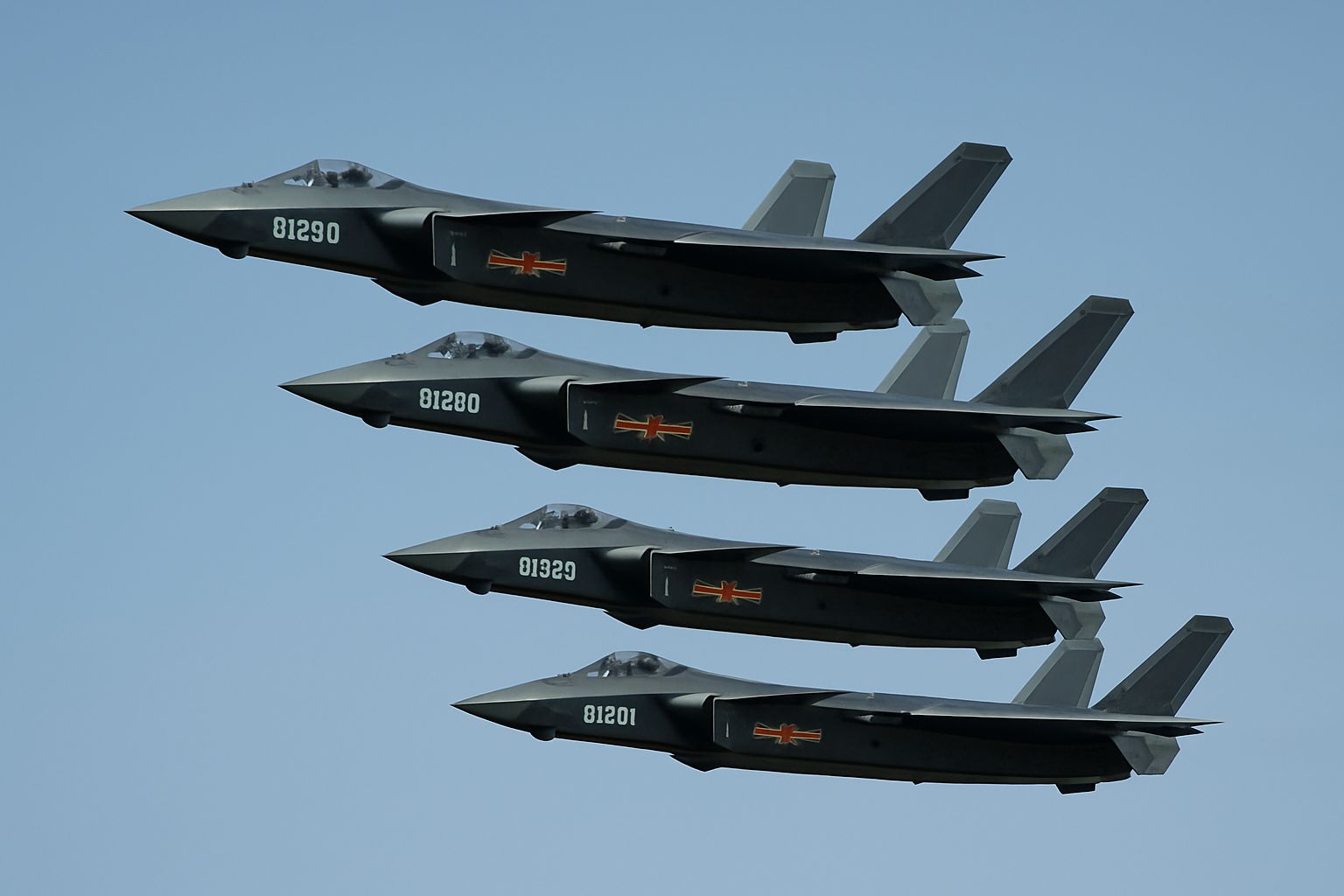
The Chengdu J-20, sometimes termed the “Mighty Dragon,” symbolizes China’s brave entry into the field of fifth-generation fighter planes. Designed with stealth, agility, and contemporary conflict capabilities in mind, the J-20 is China’s address to America’s F-22 Raptor and F-35 the lightning II. But this aircraft is more than simply an armed forces asset—it’s a symbol of China’s resolve to compete on the world arena, both technologically and geopolitically.The Rise of the J-20 Chinas Stealth Powerhouse

Origins: From Concept to Sky

The journey of the J-20 began in the early 2000s when China realized that its aging fleet of fourth-generation fighters wouldn’t be enough to keep pace with other global air powers. The U.S. had already unveiled its stealth fighters, and Russia was working on advanced designs too. China needed something not only comparable—but uniquely Chinese.The Rise of the J-20 Chinas Stealth Powerhouse

In 2011, the world got its first real glimpse of the J-20 when it made a surprise appearance at a test flight in Chengdu. At the time, many analysts were stunned—not just by the aircraft itself, but by how quickly China had developed a stealth fighter from scratch.The Rise of the J-20 Chinas Stealth Powerhouse

The jet’s development was spearheaded by the Chengdu Aerospace Corporation, and it drew from years of experience, some Western design influence, and heavy investment in research and development. By 2017, the J-20 officially entered service with the People’s Liberation Army Air Force (PLAAF).

Design and Stealth Features

From a distance, the J-20 looks like a sleek, futuristic machine. Its angular surfaces, low radar cross-section, and twin-engine configuration are all designed for stealth. The aircraft was built with one major idea in mind: survivability in modern, high-tech warfare.

The Rise of the J-20 Chinas Stealth Powerhouse

The J-20 features canards (small forward wings), which are rarely seen on stealth jets but may improve maneuverability. Its internal weapon bays help it remain radar-invisible while carrying missiles. The aircraft also uses radar-absorbent materials and a design that limits heat and noise signatures.

Unlike the American F-22, the J-20 was initially powered by Russian AL-31 engines, but China is gradually shifting to its indigenous WS-10C and WS-15 engines—powerplants that promise to bring the jet closer to true fifth-gen performance standards.

Inside the cockpit, pilots have access to modern avionics, large multifunction displays, and helmet-mounted sights—features that support both air-to-air and air-to-ground missions.

Role and Mission Capabilities

The J-20 isn’t simply a stealthy the interceptor; it’s a multipurpose tool developed for numerous missions in contemporary warfare. While its primary function is to control the skies, it also has the capacity to strike ground targets and execute reconnaissance flights as needed.

What distinguishes the J-20 different is its concentration on beyond-visual-range (BVR) warfare. It’s armed with distant PL-15 missiles that can engage opposing aircraft from distances of over 200 km, restoring it the edge before fighting even begin. This underscores China’s wider trend toward long-range, networked warfare.

The jet is thought to feature advanced radar and digital warfare technologies that make it tough for foes to identify or target. It may also act in concert with drones and early warning planes, providing a network of awareness and attack capacity that increases its battlefield usefulness.

With its stealth and long-range missiles, the J-20 is well suited for missions in contentious locations like the South China Sea or near Taiwan—areas where China seeks air control without initiating outright war.

Comparison with Global Rivals

So, how does the J-20 examine to its counterparts like a F-22 or the Russian Su-57? It is dependent on who you ask.

In sheer fighting performance, the F-22 Raptor is typically regarded better, given to its thrust-vectoring motors and enhanced stealth. The F-35, meanwhile, has unrivaled network and sensor fusion capacity, which make it a flying data center as much as a fighter.

But the J-20 acts a different game. It’s not made for up-close combat—it’s designed to see first, shoot first, and disappear. That alone makes it a dangerous threat in locations where long-range standoff tactics dominate.

Moreover, the J-20 is supported by China’s burgeoning military-industrial complex, meaning it can be manufactured at scale and developed incrementally. Its development hasn’t ceased. Future modifications may include two-seat arrangements for AI control, improved sensors, or drone swarm coordination.

China is also working on integrating the J-20 into a wider battle ecosystem—linking it with unmanned aircraft, satellites, and missile weapons to establish a holistic warfighting network.

Symbol of National Pride and Strategy

For the People’s Republic the J-20 is far more compared with an aircraft—it’s a representation of national triumph. It underlines China’s aim to not just protect its borders but to project dominance across the The Asia-Pacific area and beyond. As the government continues to extend its influence, bringing a fifth-generation fighter lets China speak the power source global language of strength.

The aircraft also plays a crucial position in what India calls “informatized warfare”—a sort of military strategy that depends on real-time data, dialog networks, and collaborated action. With the J-20 as a the focal point, China is developing a force that shall compete with the finest in the world.

Yet the narrative of the J-20 is still developing. As additional aircraft enter service and other variations are launched, the actual effect of this stealth fighter will become obvious. For now, it remains as a fascinating illustration of how swiftly a nation may develop in technical competence provided it invests the resources and willpower.

Conclusion

The J-20 is a big leap toward for China’s air compelled and underlines its larger strategic aspirations. Whether considered as a menace or a wonder of engineering, there’s no disputing the significance this aircraft plays in changing the regulate of air power in the 21st era. It’s quick, it’s stealthy, and most all, it’s a statement to the world: China is down in the sky

The Mysterious J-50 China Future Fighter Jet

As global defense analysts keep their eyes on China’s growing military modernization, rumors and scattered reports about a new, next-generation fighter jet—possibly named the J-50—have begun to stir conversations in military and aviation circles. While the Chinese government has not officially confirmed the development of a jet bearing that designation, several signs suggest that something significant may be taking shape behind closed hangars.

With hints of major design revisions, cutting-edge electronics, and possibly sixth-generation characteristics, the so-called J-50 might become a significant element of China’s for a long time air force plans.

1. What Is the J-50? Speculation and Shadowy Origins

The name “J-50” has appeared in unofficial defense blogs, speculative Chinese media posts, and forums over the past couple of years. It’s unclear whether it represents an entirely new aircraft, an evolution of the current J-20, or a placeholder for a more advanced program. Nevertheless, military watchers believe this could be the Chinese response to the U.S.’s Next Generation Air Dominance (NGAD) program and similar efforts underway in Europe.

Some believe the J-50 may be under development by Chengdu Aerospace Corporation, the same company behind the J-20 “Mighty Dragon.” If true, it would make sense—their experience in stealth and modern airframe design gives them the pedigree needed for such a project.

While hard data is scarce, satellite imagery of Chinese airfields and obscure patent filings have only added fuel to the fire. Several concept drawings shown at airshows and leaked through social media hint at a sleek, tailless delta-wing design, optimized for stealth and speed.

The Mysterious J-50 China Future Fighter Jet

2. Design Features: What Could the J-50 Look Like?

In the event the J-50 exists, it is likely developed with stealth while agility at the forefront. Experts say it may seem like a blended-wing-body aircraft with not a vertical stabilizers, comparable to notions explored in Western sixth-gen designs. This tailless layout decreases radar signature and enhances aerodynamic efficiency.
The plane is also speculated to have next-gen propulsion systems, perhaps employing variable-cycle engines that allow for supersonic cruising speeds despite afterburners—a capability mainly a few jets in the world now possess.
Advanced components such as radar-absorbing composite materials, a plasma stealth innovations, and heat-shielding coatings could be combined to minimize infrared and radar detectability. In short, the J-50 might represent a considerable jump from existing fifth-generation capabilities.

3. Brains Over Brawn: The Role of AI and Drone Integration

One of the defining features of future fighter jets will be their ability to process enormous amounts of data in real-time. In this domain, the J-50 is expected to shine—not just as a combat platform, but as a networked command node in a larger combat ecosystem.

If reports are accurate, the aircraft will come equipped with onboard artificial intelligence capable of managing surveillance data, detecting enemy threats, and even making split-second combat decisions to assist the pilot. The AI could also control unmanned wingmen, forming what’s known as a loyal wingman system, where the pilot commands a group of drones to act as decoys, scouts, or strike assets.

The Mysterious J-50 China Future Fighter Jet

Such capabilities would give the J-50 an asymmetric advantage in contested environments like the Taiwan Strait or the South China Sea, where electronic warfare and high-threat zones demand quick reaction and layered defense strategies.

4. Strategic Role: Why the J-50 Matters to China’s Military Doctrine

The J-50 would be considered more than solely a next-gen fighter—it might become a the symbol of strategic discouragement. As the global power rivalry increases, notably with the United States and its allies growing their existence in the Indo-Pacific, China aspires to achieve air supremacy across its sphere of influence.

A aircraft like the J-50 would give the The population’s Liberation Army Air Force (PLAAF) a significant edge. Not only would it operate in air superiority duties, but it could also be converted for deep strike missions, technological warfare, and perhaps airline operations—especially if The nation’s future aircraft carriers shift to magnetic catapults, like the people on the U.S. Navy’s Gerald’s name R. Ford-class.

By deploying a jet with such mobility, China could transmit a powerful message: it aspires to lead not merely on oceans and land, but also in the high the nights of the 21st century.

The Mysterious J-50 China Future Fighter Jet

5. Challenges and The Road Ahead

Developing a sixth-generation aircraft—or even a sophisticated fifth-plus-gen jet like the J-50—is no easy task. China has significant technological challenges, notably in areas like engine manufacture, AI dependability, and sophisticated avionics integration.

Historically, Chinese fighters had relied on foreign engines or battled with homegrown options that lacked longevity or power. If the J-50 is to succeed, bridging this gap is critical.

Moreover, putting AI into one live fight platform raises problems regarding cybersecurity, machine values, and pilot-AI cooperation. China has showed tremendous investment in these areas, but operationalizing such innovation at scale remains a key problem.

Still, if current events is anything to go by—from the quick development of the J-20 to the introduction of stealth the drones like the GJ-11 Sharp Sword—China has the a momentum, resources, and strategic intent to make the J-50 a reality in the coming decade.

Conclusion

Even though the Chinese J-50 is still officially unconfirmed, the clues are too tempting to ignore. In the realm of rapid, high-tech military innovation, stillness frequently implies development is happening behind the scenes. If or when the J-50 ultimately takes to the skies, it might represent a new era not simply for Chinese air travel, but for the worldwide balance of air power.

The jet may still remain an unknown, but this much is certain—China’s aim to rule the sky is very, very real.

F-22 Raptor RC Foam Jet A High-Speed Thrill in the Sky

F-22 Raptor RC Foam Jet A High-Speed Thrill in the Sky
SectionTitle
1Introduction to the F-22 Raptor RC Foam Jet
2Airborne Excitation F-22 Raptor EDF RC
3What Is an F-22 Raptor EDF Foam RC Jet?
4Crucial Elements
5EDF Foam Jet: Why Choose It?
6Lower Cost
7These are suitable for beginner and average pilots
8Conclusion

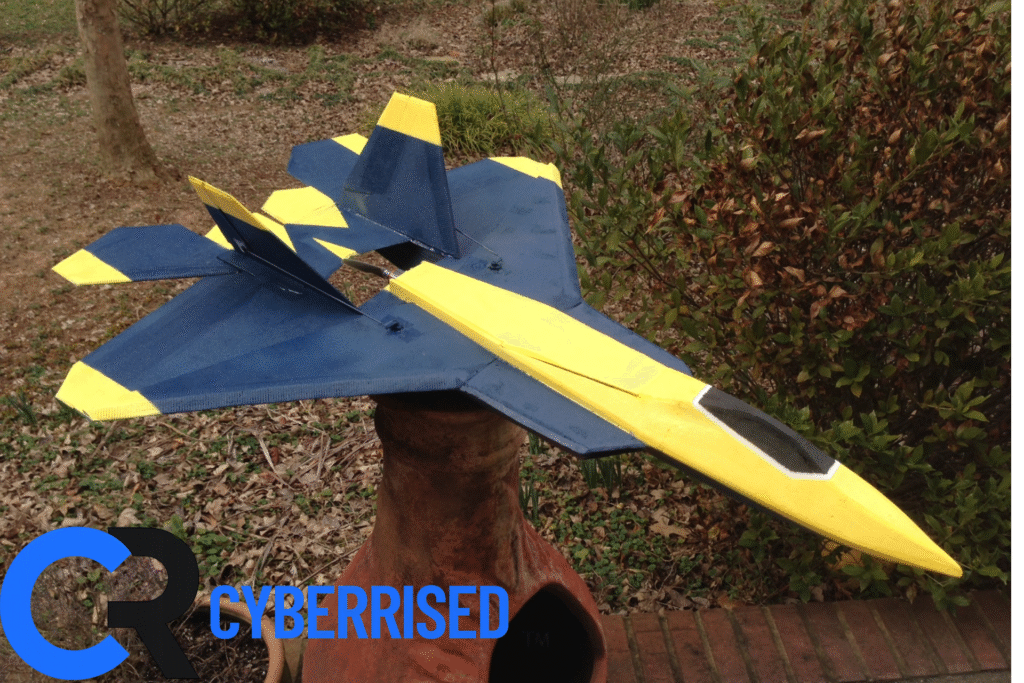
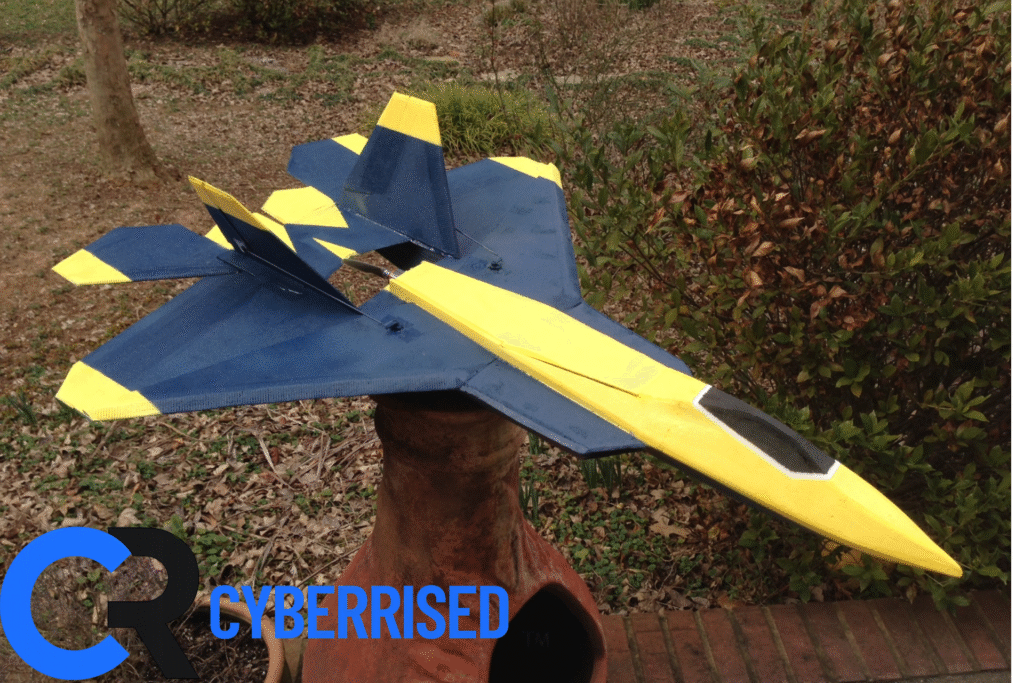
Airborne Excitation F-22 Raptor EDF RC Foam Jet For RC aviation enthusiasts, the F-22 Raptor is one of the most advanced stealth fighters to be found anywhere in the world, and to make a smaller-sized version of the aircraft is an interesting project. RC foam jets based on the F-22 Raptor, particularly electric ducted fan (EDF) powered models, have become quite popular. These jets offer amazing performance, detailed appearance, and nimble speed at prices affordable for modelers of all skill levels.F-22 Raptor RC Foam Jet A High-Speed Thrill in the Sky

F-22 Raptor RC Foam Jet A High-Speed Thrill in the Sky

What Is an F-22 Raptor EDF Foam RC Jet?

An electric ducted fan, or EDF F-22 Raptor RC Foam Jet A High-Speed Thrill in the Sky, foam RC jet is a type of radio-controlled aircraft that produces thrust with an electric ducted fan rather than a propeller. This type of propulsion is very well suited for the Raptor’s sleek design and stealthy appearance. Constructed from lightweight foams, such as Depron or EPO, these jets are inexpensive, durable, and easily repaired.F-22 Raptor RC Foam Jet A High-Speed Thrill in the Sky

Crucial Elements

EDF Power System: The diameter of the electric ducted fan, the most important part of the jet, can go from 50 mm to 90 mm, depending on model and purpose. This design is primarily responsible for the jet’s incredible speed and jet-like sound.

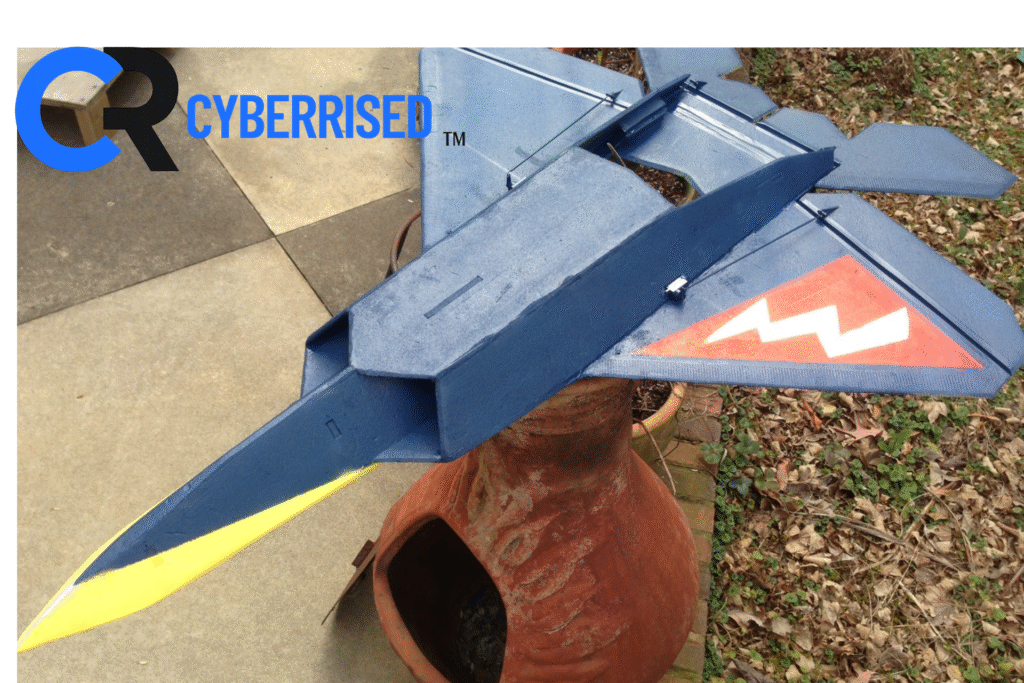
Stealth-Inspired Design Features: The RC F-22 sports twin vertical stabilizers to mimic the looks and aerodynamics of stealth, slanted wings, and a low fuselage.

Foam Construction: All but a few use high-density foam, which makes for lightweight, strong, and controllable aircraft. Modular components, which help for ease of transport and assembly, are included with some kits as well.

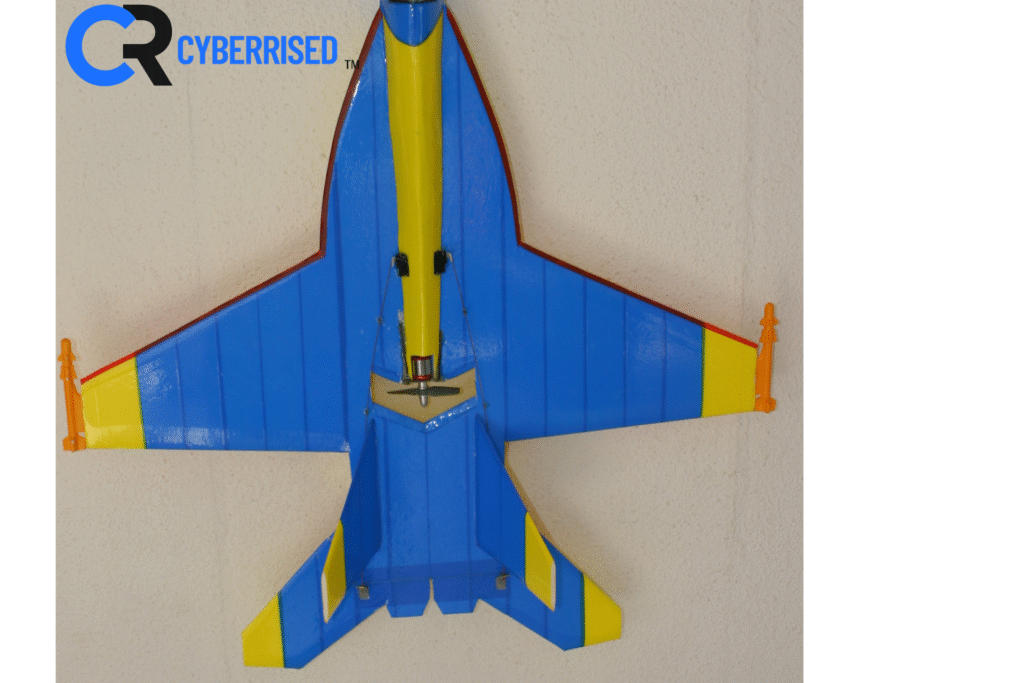
Control Surfaces: Most of these models are functional on elevators, rudders, and ailerons, depending on the level of complexity, and provide full 4-channel capability for aerobatic practices. F-22 Raptor EDF RC Foam Jet: A High-Speed Thrill in the Sky

EDF Foam Jet: Why Choose It?

F-22 Raptor RC Foam Jet A High-Speed Thrill in the Sky
FF-22 Raptor RC Foam Jet A High-Speed Thrill in the Sky

Lower Cost: Foam models are less expensive to manufacture than composite aircraft. F-22 Raptor EDF RC Foam Jet: A High-Speed Thrill in the Sky

F-22 Raptor EDF RC Foam Jet: A High-Speed Thrill in the Sky

These are suitable for beginner and average pilots

Smashability: “Foam cushions impact better than fiberglass or balsa because they are more absorbent of impacts. Repairability: Can be easily replaced or repaired using simple tools and foam-safe glue. Performance: These planes can reach excellent speeds and perform very well when they are designed for

the right EDF and built light. The Flying F-22 EDF foam jet is an exhilarating combination of agility and speed. The jet is proficient in high-speed passes, rolls, loops, and vertical climbs. Combining a 4S or 6S LiPo battery with a good ESC and powerful motor, the feeling from the pilots when flying is usually how nice and responsive the flying feels.

Conclusion

The F-22 Raptor the RC Foam Jet is a lot of fun and really lets hobbyists and fans experience the excitement of flying at high speeds. With its sleek form, lightweight foam building, and powerful engine, this RC jet mimics the feel of the genuine F-22 while being accessible to pilots of various skill levels. The F-22 is quite stable and responsive, whether you’re flying at peak speed or doing precise aerobatic spins.
One of the best things about it is how simple it is to launch, fly, and keep up with. The foam body strikes a fantastic mix between durability and performance, making it perfect for both novices who are just starting out and expert users who want to go fast. While flying time might be restricted by battery capacity, this is a modest trade-off for the thrilling, action-packed excitement the jet gives.
The F-22 Raptor RC Foam Jet is a great addition to any RC collection as a whole. In its class, it has the best mix of speed, agility, and ease of use. This model is one of the best options for anyone who want to experience the thrill of jet-powered RC flight without spending a lot of money. It’s a real high-speed thrill in the skies.

The SR 71 Blackbird RC model is a stunning

The SR 71 Blackbird RC model is a stunning

The SR 71 Blackbird RC model is a wonderful tribute to one of the most renowned aircraft in aviation history Designed to mimic the renowned reconnaissance aircraft produced by Lockheed Martin this RC model captures the sleek lines sharp edges and futuristic look of the original SR 71 that once commanded the skies at astounding speeds and altitudes The fullscale SR 71 Blackbird was a wonder of engineering capable of flying at speeds above Mach 3 and altitudes beyond 85000 feet which made it almost hard to intercept throughout its service years

The SR 71 Blackbird RC model is a stunning

The RC version

of the SR 71 Blackbird appeals to hobbyists engineers and aviation lovers who respect the power and design of high-speed aircraft. Built utilizing lightweight materials such as foam carbon fiber and reinforced plastic the aircraft attempts to find a balance between durability and flying performance The SR 71 RC model comes in numerous sizes but the most typical ones vary from 1000mm to 2000mm wingspan with some bespoke models even exceeding these proportions to achieve more realism in look and flight dynamics

Many RC manufacturer

have created variants of the SR 71 Blackbird model Some are electric ducted fan EDF driven while others have dual turbine engines for a more authentic feel The EDF variants are often more approachable and userfriendly making them suited for intermediate pilots whereas the turbine versions need a greater degree of ability owing to their complexity and speed The dual engine configuration delivers the unmistakable dual exhaust appearance that identifies the true Blackbird

The SR 71 Blackbird RC model is a stunning

One of the biggest problems

in developing and flying an RC SR 71 model is duplicating its highspeed flight characteristics in a scaleddown form The original aircraft was constructed for speed and stability at high altitudes which implies that obtaining stable low altitude flight at RC size required precision engineering This is commonly handled through the employment of flight stabilization equipment like as gyroscopes and sophisticated transmitters which aid in maintaining control during tight maneuvers and highspeed passes

The SR 71 Blackbird RC model is a stunning

The visual appeal

of the SR 71 RC model is unparalleled Its matte black finish angular shape and characteristic chines around the fuselage make it readily recognized The landing gear either retractable or permanent depending on the aircraft provides another degree of realism Some premium models additionally have functioning cockpit elements LED lighting and scale markings which increase authenticity and visual delight during both static exhibition and active flying

Performancewise

the SR 71 RC model may attain outstanding speeds especially when coupled with twin 70mm or 90mm EDF units or jet turbines Some highend versions may fly at speeds surpassing 150 kilometers per hour providing a realistic noise and motion blur that simulates the fullscale aircraft Although it is not built for aerobatic flying its stability at high speed and fluid turning capability make it suitable for straightline speed passes and lengthy smooth bends exactly like its realworld counterpart

Another noteworthy

part of the SR 71 Blackbird RC model is the community that surrounds it Online forums YouTube channels and RC aircraft clubs commonly include builds modifications and flying demonstrations of this model Builders regularly exchange advice on improving flying stability boosting speed and updating electronics like as ESCs motors and batteries This collaborative atmosphere helps enhance the overall quality and performance of the model as it travels through many hands and brains enthusiastic about flying

For novices the SR 71

Blackbird as a RC simulation may not be the greatest starting point owing to its distinctive flying profile and dual engine arrangement However for expert RC pilots it is a rewarding challenge and a badge in honor Once developed the model delivers stunning flight feels and commands focus at any flying field It represents as a symbol of inventive performance and historical relevance

Many pilots

opt to modify their SR 71 RC models with unique tail numbers mission insignias or even imitate the titanium shine that was a characteristic of the actual aircraft when viewed under sunlight These customized additions add character and reflect the passion of the builder to mimic the tiniest elements of this renowned aircraft

In terms of maintenance

the SR 71 RC model requires regular examination owing to the highspeed nature of its flight which can put stress on the airframe and electronics Checking motor mounts servo linkages and landing gear after each flight is advised to guarantee lifespan Some builders additionally utilize telemetry devices to monitor battery voltage motor temperature and general system health during flight enabling for safer and more informed flying

The SR 71 Blackbird RC mode

is more than simply a remote controlled airplane It is a flying monument to one of the greatest aviation exploits of the 20th century It embodies the spirit of stealth speed and accuracy that distinguished the Cold War era and puts it to the fingertips of current enthusiasts Whether on a runway or a display shelf the SR 71 RC model elicits amazement and adoration from anybody who sees it

In conclusion

the SR 71 Blackbird RC model is a perfect blend of engineering artistry and passion It challenges pilots to push their skills and rewards them with an unmatched flying experience From its twin engine roar to its majestic silhouette in the sky it captures the imagination and showcases what is possible when innovation meets dedication in the world of RC aviation

SR71 Blackbird Speed Payload Altitude and Global Reach

SR71 Blackbird Speed Payload Altitude and Global Reach
Introduction to the SR71 Blackbird
1Top Speed of SR71 Blackbird
2Highest Flying Altitude
3Payload and Sensors
4Operational Range and Endurance
5Legacy and Impact

The SR71 The blackbird is one of the most iconic aircraft in transport history Known for its unequaled speed altitude and surveillance capacity the SR71 was built by Lockheed’s Martin’s the skunk Works division at the height of the Cold War Built as a long differ high altitude Mach 3 strategic investigation aircraft it flew for the United States Air Force from 1966 until 1998 Despite being decommissioned the SR71 stands a symbol of technical innovation and aeronautical success.SR71 Blackbird Speed Payload Altitude and Global Reach Its powers in terms of peak speed maximum flying high altitudes and operating range continue to surprise aviation fans and military historians throughout the world SR71 Blackbird Speed Payload Altitude and Global Reach

Top Speed of SR71 Blackbird

The SR71 Blackbird holds the official record for the fastest air breathing manned aircraft ever built Its peak speed exceeds Mach 33 which is more than 2500 miles per hour This exceptional speed helped the SR71 to escape surface to air missiles and adversary aircraft during its reconnaissance missions It was so quick that when a threat was recognized the conventional technique was to just accelerate and flee the danger zone rather than try to avoid or

SR71 Blackbird Speed Payload Altitude and Global Reach

The Blackbird’s speed stemmed from its unique propulsion system The aircraft was powered by two Pratt & Whitney J58 turbojet engines which operated as turbo ramjets at high speeds and altitudes This meant that the quicker the SR71 went the more effectively its engines operated Most conventional jet engines lose performance as speed increases but the J58s were expressly engineered to survive under such high circumstances.SR71 Blackbird Speed Payload Altitude and Global Reach

The SR71’s speed was not only a question of life but also a critical component of its mission success It could fly into hostile airspace acquire intelligence using sophisticated sensors and cameras and escape before enemy defenses could reply This feature made the SR71 a vital instrument for strategic reconnaissance during the Cold War notably over locations like the Soviet Union the Middle East and North Korea

Highest Flying Altitude

Another notable trait of the SR71 Blackbird was its ability to fly at extraordinarily high altitudes The aircraft had a service ceiling of 85000 feet which is nearly 16 miles above the Earth’s surface At this height the SR71 could dodge most forms of radar detection and conventional anti aircraft weaponry
Flying at such high altitudes imposed unusual demands on both the aircraft and the pilot The thin atmosphere at 85000 feet needed special pressurization devices and the pilot wore a complete pressure suit similar to those worn by astronauts The cockpit atmosphere had to be carefully maintained to guarantee that the crew could perform well throughout extended flights

SR71 Blackbird Speed Payload Altitude and Global Reach

The SR71’s high flying capabilities not only boosted its survival but also allowed it a broad field of view for reconnaissance missions The cameras and sensors onboard could record huge expanses of terrain in a single pass and the photos obtained gave important intelligence for military planners and government authorities This advantage was especially crucial for operations over locations where satellite coverage was restricted or lacking SR71 Blackbird Speed Payload Altitude and Global Reach

Payload and Sensors

While the SR71 was not meant to carry traditional armament payloads its actual potency came from the reconnaissance devices it contained The aircraft might be outfitted with a wide variety of sensors including high resolution optical cameras side facing airborne radar and signals intelligence equipment These devices allowed it to gather data across various spectrums providing a detailed picture of enemy activities infrastructure and troop movements
The payload compartment of the SR71 was modular allowing mission planners to adapt the equipment loadout based on operational needs Depending on the task it might carry a combination of photography equipment radar scanners and electronic intelligence gear Each cargo had to resist intense heat and pressure owing to the aircraft’s high speed and altitude therefore specialist design and cooling systems were needed

Although the SR71 did not carry bombs or missiles its surveillance payloads were frequently more strategically valuable The intelligence obtained by the Blackbird helped shape national defense strategy arms control discussions and battlefield tactics Its capacity to offer accurate timely and trustworthy intelligence without placing itself in substantial danger was unsurpassed by any other platform of its time

Operational Range and Endurance

The SR71 had an operational range of around 3000 miles on internal fuel but its true benefit came with the ability to refuel midway Using aerial refueling tankers the SR71 could prolong its mission endurance and reach practically any location on the world This capabilities allows it to perform transcontinental surveillance operations without relying on offshore bases
Typical missions comprised the SR71 taking off from a facility such as Beale Air Force facility in California meeting with a tanker aircraft to top off its fuel and then traveling to its target area After completing the reconnaissance mission it would again connect with a tanker before returning to base Missions might continue for over 10 hours and span tens of thousands of miles

The durability of the SR71 was further boosted by its dependability and sturdy engineering Unlike some reconnaissance aircraft that required substantial maintenance between flights the SR71 was noted for its operational availability and ability to be deployed fast This was critical for operations that required real time information collection in reaction to swiftly shifting geopolitical events

Legacy and Impact

The SR71 Blackbird was a wonder of inventiveness accelerate and strategic value Although it was later discontinued in favor of satellite communication technology and current drones the impact of the SR71 continues to affect aircraft design and intelligence collection techniques Its records for velocity and altitude still remain and its impact in molding global military awareness over the Cold War cannot be exaggerated

From its peak speed exceeding the Mach 3 to its 85000 bike service ceiling and worldwide reach with aerial filling up the SR71 illustrated what was achievable with the appropriate combination of technology vision and strategic requirement Even now it serves as a template for future generations of planes like the claimed SR72 and other high speed investigation designs pushing the boundaries of what contemporary aviation can achieve