
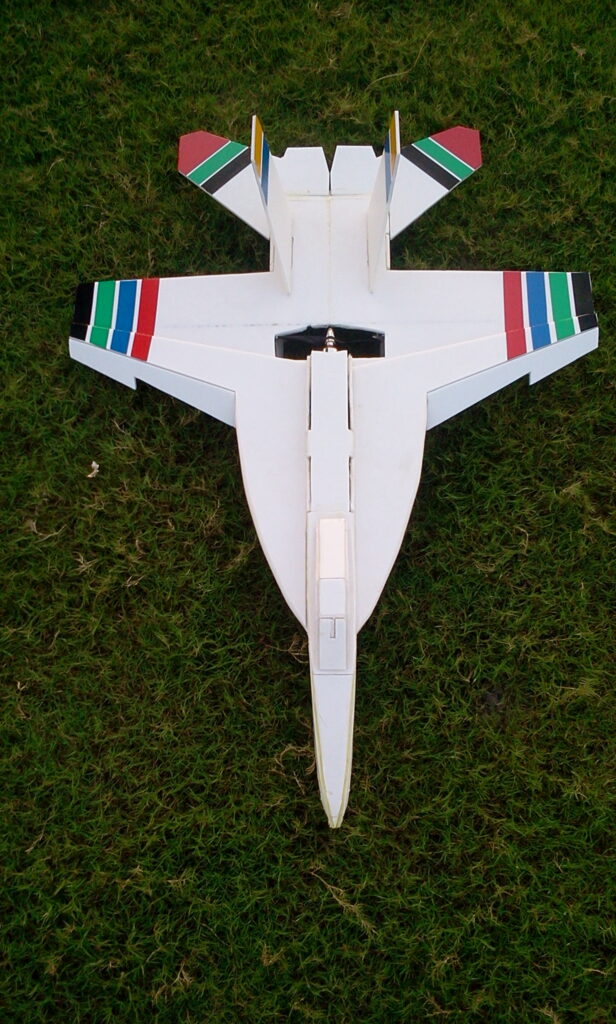
FA18 Super Hornet RC Model Using 6mm Depron

FA18 Super Hornet RC Model Using 6mm Depron

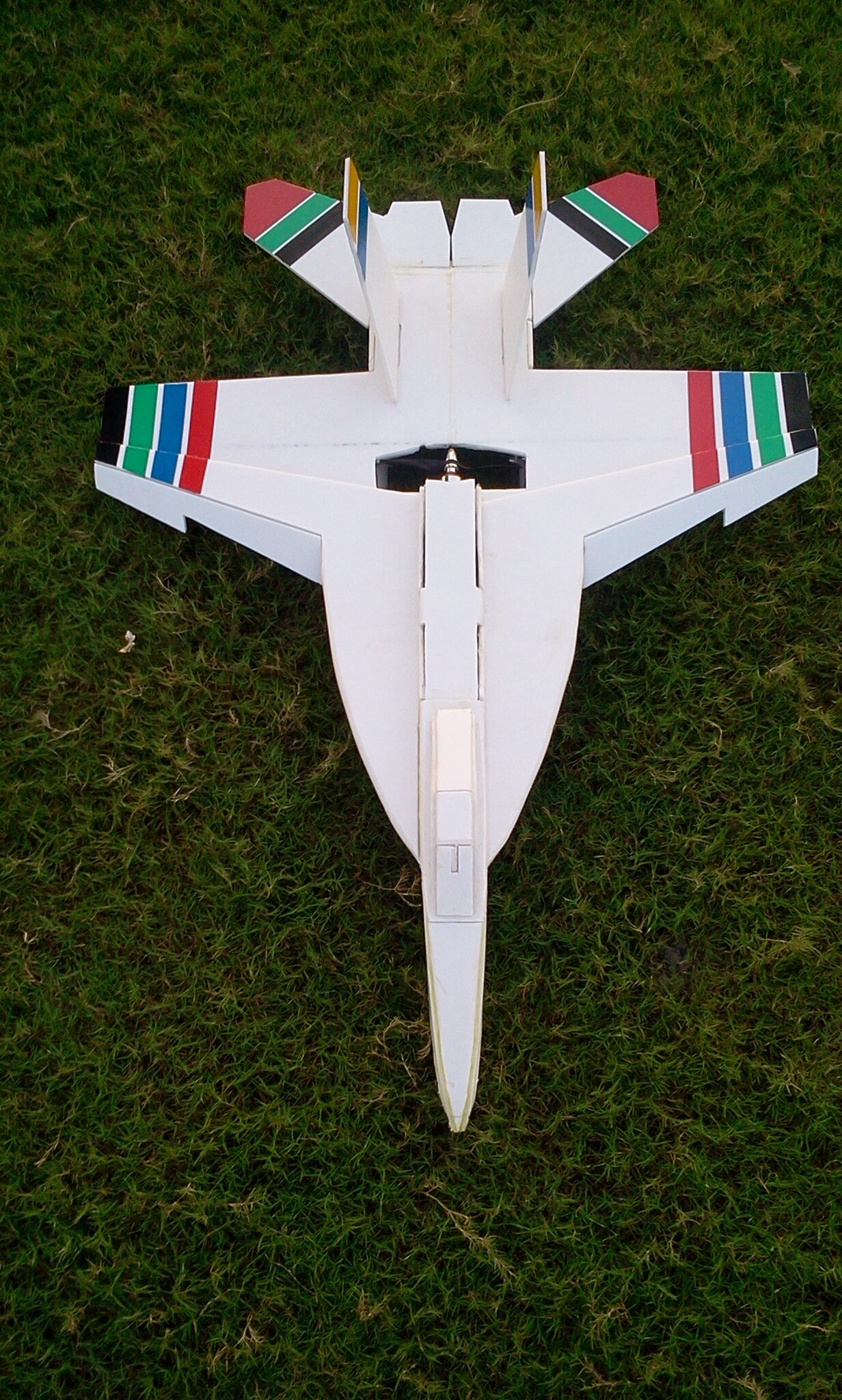
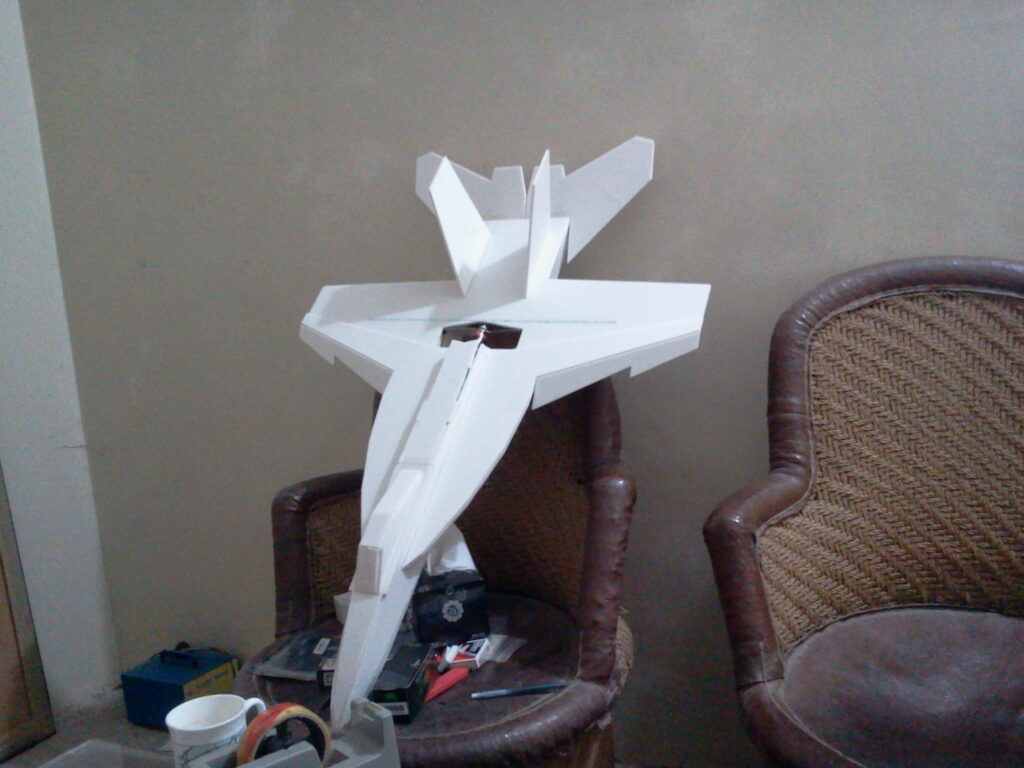
The FA18 Super Hornet is a twinengine multirole fighter notable for its agility speed and elegant design It is a popular among aviation fans and RC builders alike If you are an RC aircraft fan wishing to reproduce this legendary jet constructing it using 6mm Depron foam is a good alternative Depron is lightweight easy to cut and shape and sturdy enough to handle moderatespeed flight—making it suitable for EDF jets and scale modelers

Why Choose the FA18 Super Hornet

The Super Hornet stands out for its twin vertical stabilizers sharp wing shape and intricate fuselage Its large wings and balanced form make it stable in the air while still allowing for outstanding aerobatics As an RC model it offers a nice balance of scale look and flight capability whether powered by EDF Electric Ducted Fan units or a basic pusher prop arrangement

Materials Why 6mm Depron Foam
FA18 Super Hornet RC Model Using 6mm Depron

6mm Depron foam is the most widely used important in scratchbuilt RC aircraft It is

Lightweight decreases the wing putting enhancing flying time and handling

Strong and flexible Offers good longevity for novice and intermediate pilots

Easy to cut and glue Speeds up the construction process

Smooth surface Perfect for painting and detailing

For an FA18 construction the 6mm thickness offers appropriate strength for both the airframe and control surfaces while keeping the plane light enough for electric propulsion

Design and Construction Tips

Design and Construction Tips 1 Blueprint and Dimensions
Start with a scaled blueprint or design of the FA18 You may find free designs online or make your own using CAD tools A wingspan of 700mm to 1000mm is perfect for park flying and EDF compatibility

2 Fuselage and Wing Layout Use a central fuselage spine and bulkheads for strength The main wing and stabilizers should be fashioned out of flat 6mm Depron sheets and strengthened with carbon rods or flat spars to avoid bending during flight

3 Jet Intakes and Exhausts
For realism you may form small jet intakes from Depron or foamboard and place an EDF unit generally 64mm to 70mm inside the rear fuselage If you prefer simplicity a rearmounted pusher motor is also an option

4 Vertical Stabilizers and Canards
The twin tails of the FA18 are one of its distinguishing characteristics These may be created from cut Depron sheets reinforced with BBQ skewers or light wood strips for increased strength

5 Landing Gear Optional
Depending on your construction you may make it bellylanding or install basic fixed landing gear utilizing lightweight wire and foam wheels

Electronics Setup
FA18 Super Hornet RC Model Using 6mm Depron

EDF or Brushless Motor 64mm EDF or a 2200KV brushless motor with a 6×4 prop for pusher arrangement

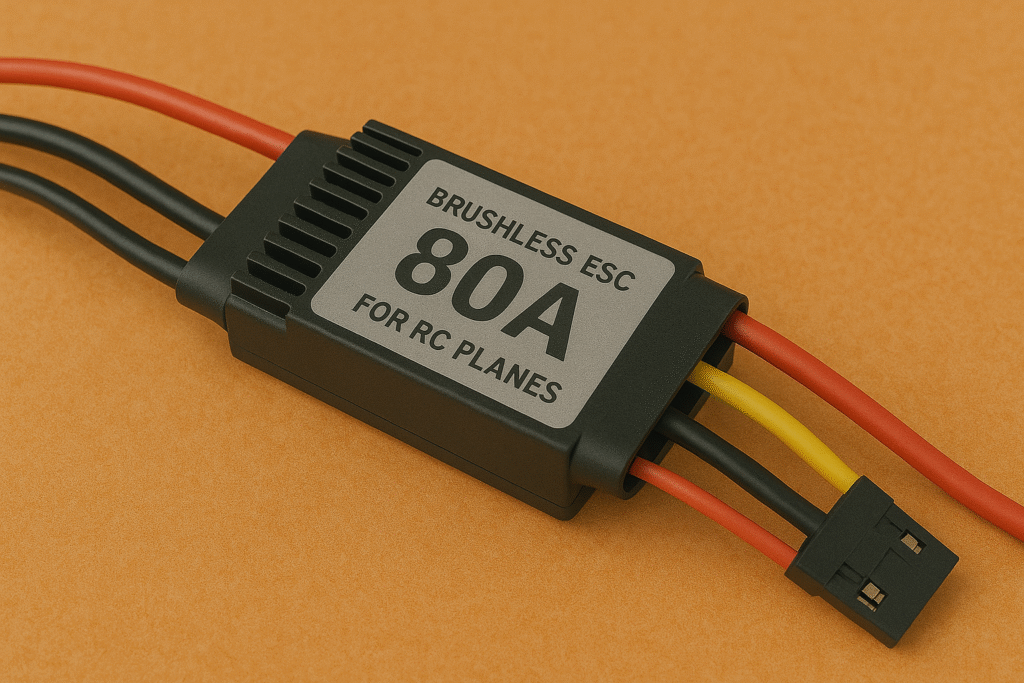
ESC 40A to 60A depending on your power system

download FA18 Super Hornet RC Model Using 6mm Depron plans pdf here

Battery 3S 2200mAh LiPo for moderate thrust and decent flying time

Servos 9g mini servos for elevator aileron and rudder control

Receiver 4 to 6 channel depending on the control arrangement

Flight Performance

A wellbuilt FA18 Depron jet can deliver

Stable flying and simple handling

Sharp roll and pitch response

Moderate speed with 3S configuration or high speed with 4S and a strong EDF

Impressive low passes and twists owing to its delta wing stability

It is advisable to maiden the model on a quiet day and launch by hand or utilize a smooth surface for takeoff if gear is equipped Use expo settings on your transmitter to smooth out control input for improved handling

Final Thoughts

Building an RC FA18 Super Hornet from 6mm Depron is a wonderful undertaking for any model aircraft enthusiast It mixes the exhilaration of flying a jet with the inventiveness of scratchbuilding Whether you are searching for a truetoscale model or a performancefocused flier Depron makes it accessible and inexpensive With little work and careful design your FA18 will be turning heads at the local field in no time
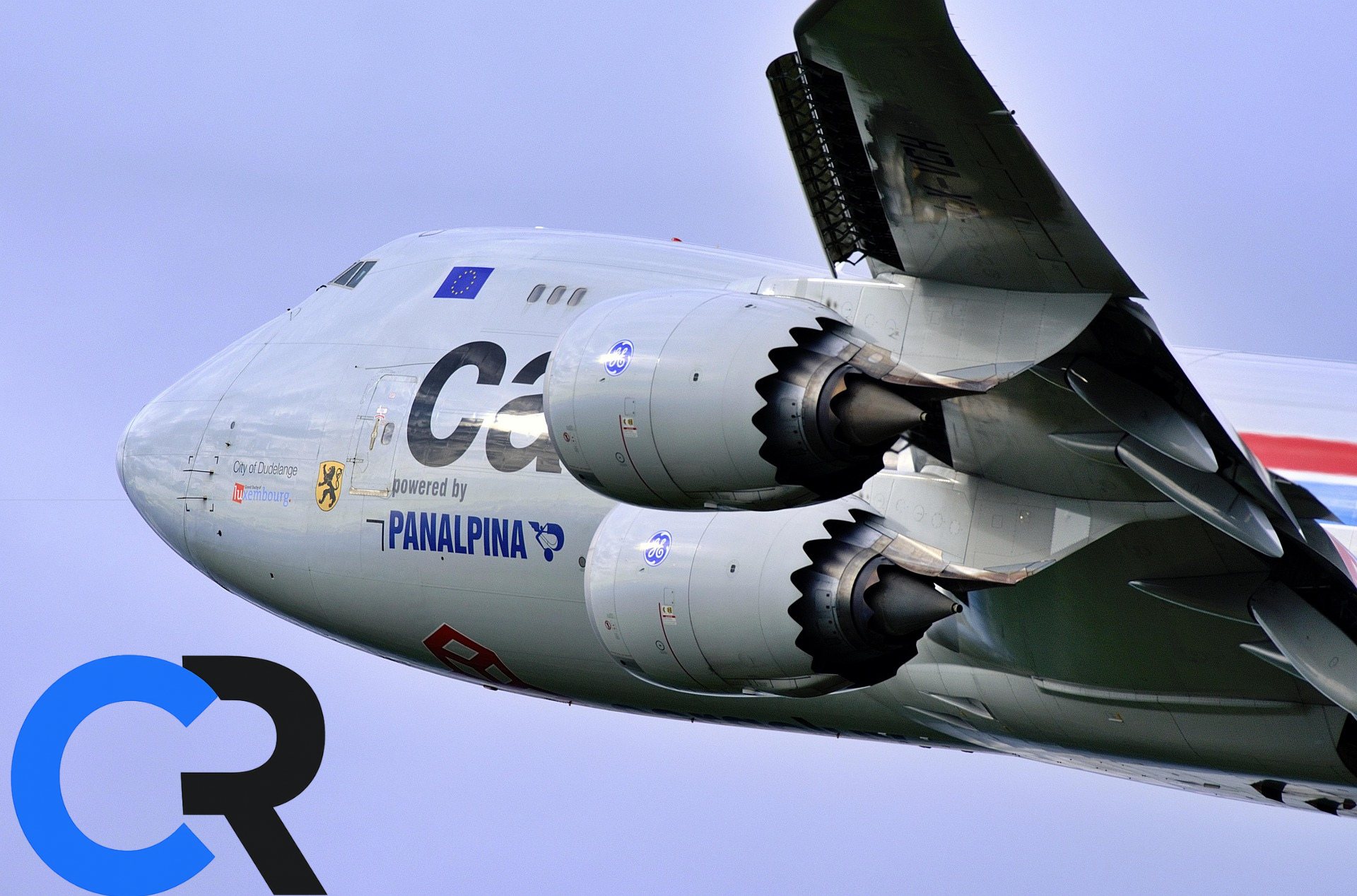
The Boeing 747: A Marvel of Aviation Engineering

The Boeing 747: A Marvel of Aviation Engineering

These numbers made the 747 perfect for transcontinental and transoceanic flight

Table of Contents

  1. Introduction
  2. History and Development
  3. Design and Features
  4. Variants of the Boeing 747
  5. Performance and Specifications
  6. Role in Commercial Aviation
  7. Cargo and Military Use
  8. Retirement and Legacy
  9. Conclusion

1. Introduction

The Boeing 747, the “Queen of the Skies,” is one of the most iconic aircraft in history. Introduced in the late 60s it changed air travel forever with its size, range and capacity. For over 50 years the 747 has served commercial airlines, military forces and cargo carriers around the world.The Boeing 747: A Marvel of Aviation Engineering


2. History and Development

The story of the Boeing 747 began in the 60s when Pan American World Airways (Pan Am) asked for a bigger aircraft to meet the growing demand for international travel. Boeing, which had been focused on military and smaller commercial aircraft, took on the challenge. The Boeing 747: A Marvel of Aviation Engineering

The first Boeing 747-100 rolled out on September 30, 1968 and first flight was on February 9, 1969. It entered commercial service with Pan Am on January 22, 1970 on the New York–London route. The aircraft was a huge success and Boeing dominated long haul commercial aviation for decades.


3. Design and Features

The Boeing 747: A Marvel of Aviation Engineering

The Boeing 747 was the world’s first wide body “jumbo jet.” Key features include:

  • Double deck: The hump that houses the upper deck.
  • Four engines: General Electric, Pratt & Whitney or Rolls-Royce turbofans.
  • Long fuselage: Designed to carry hundreds of passengers or massive cargo.
  • Advanced avionics: For its time the 747 had new navigation and safety systems.

The upper deck was initially a lounge for first class passengers, later converted to extra seating in later variants.


4. Variants of the Boeing 747

Throughout its production life Boeing produced several variants of the 747, each an improvement on the previous one. Major models include:

  • 747-100: The original with a short upper deck.* 747-200: Upgraded engines and more range.* 747-300: Stretched upper deck and more capacity.* 747-400: Introduced in 1989, it became the most popular with more range, winglets and glass cockpit.
  • 747-8: The latest and largest, introduced in 2012 with modern engines and new materials.

Each was used in both passenger and cargo config with custom versions for specific needs.


5. Performance and Specifications

The Boeing 747: A Marvel of Aviation Engineering
www.cyberrised.com

Here are the specs for the 747-400, the most common model:

Boeing 747-400Maximum Takeoff Weight875,000 lbs (396,890 kg)Range7,260 nautical miles (13,450 km)Passenger Capacity~416 (3-class), up to 660 (1-class)Cruising SpeedMach 0.85 (567 mph / 913 km/h)Engines4 × General Electric CF6-80C2 or equivalentWingspan211 ft 5 in (64.4 m)Length231 ft 10 in (70.7 m)

These numbers made the 747 perfect for transcontinental and transoceanic flight.

6. Commercial Aviation

The 747 made international travel more affordable per seat-mile. Airlines like British Airways, Lufthansa and Singapore Airlines used it for their long haul routes. It also contributed to the tourism and business travel boom of the late 20th century.

Many airlines — including United, Delta and British Airways — have retired their 747s. It’s hard to say goodbye. For decades the 747 was the plane of adventure, luxury and possibility.

The Legacy Lives On

Even though fewer 747s are flying passengers these days the plane’s legacy is everywhere. It made air travel affordable for millions of people. It shrunk the world and made international vacations and business trips part of everyday life.

And let’s face it: no other plane looks like it. That hump, the size — it’s a design that aviation geeks will never get tired of.

The Final Word

The Boeing 747 is more than a machine. It’s a piece of history, a symbol of how far we’ve come. It brought people together, carried presidents, delivered life saving cargo and gave us all a glimpse of what flying could really be.

It may be flying less often but it will never be forgotten.


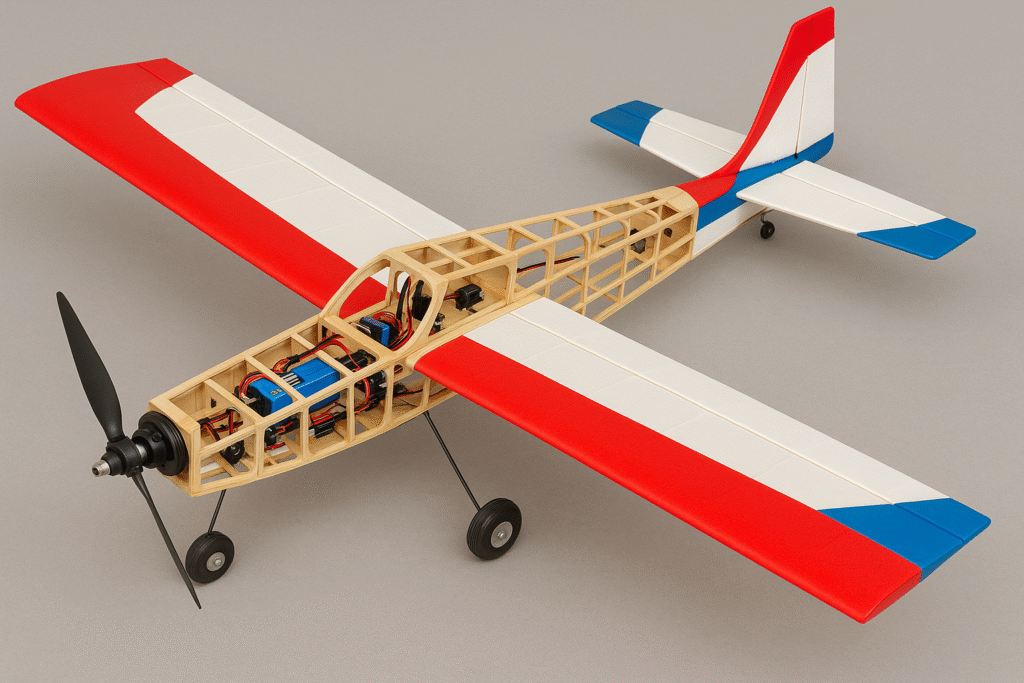
How to build Depron model Lightweight Rc planes 2025

How to build Depron model Lightweight Rc planes 2025

How to build Depron model Lightweight Rc planes 2025

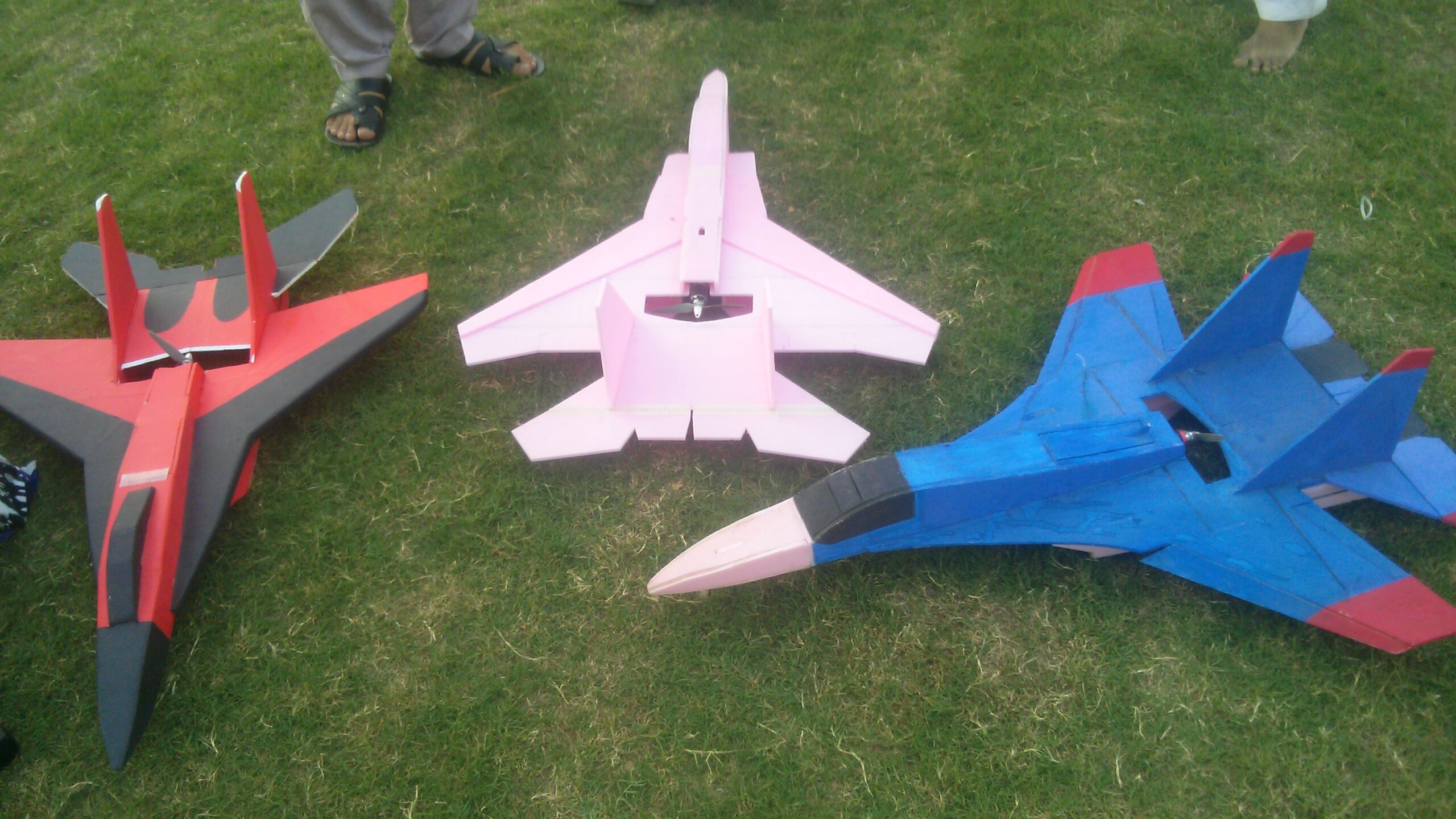
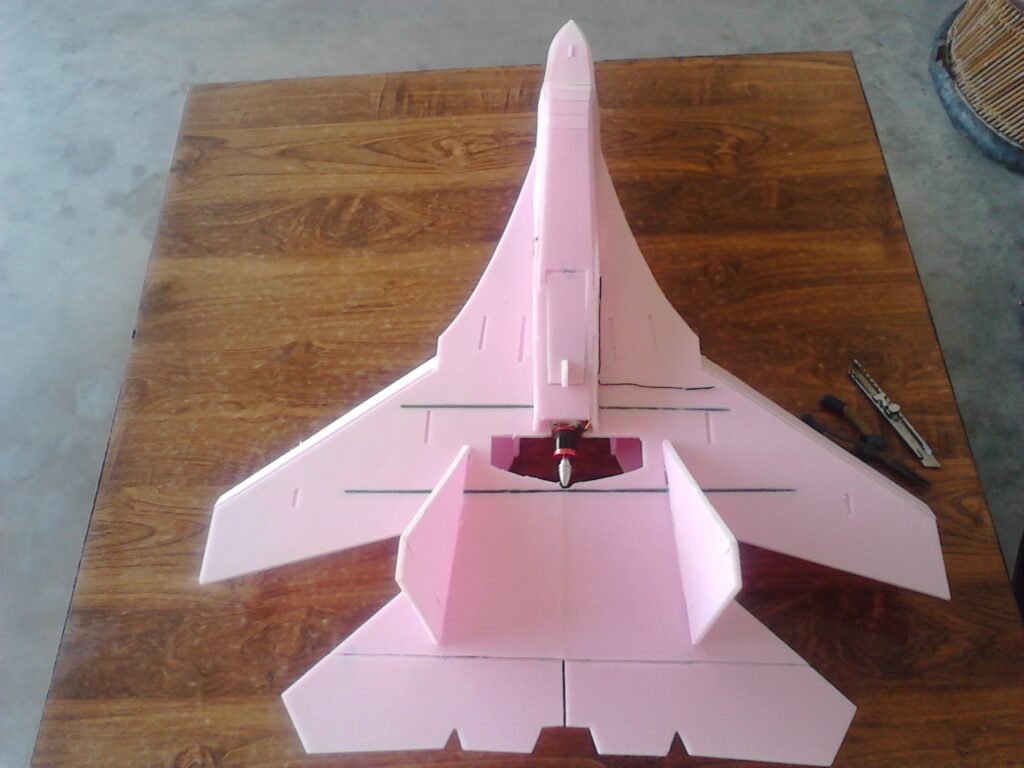
How to build this fomy model rc planes its very esay and lightweight flight

How to build Depron model Lightweight Rc planes

what is needs for build rc models

lipo battrey high discharge rate 11.1v 2500mah 30c 1
Esc electronic speed controller for moter 50amps1
Servo 8g 4
Receiver for transmeter1
Telementry and gps system optional2
How to build Deprons model Lightweight Rc planes
How to build Depron model Lightweight Rc planes 2025

https://rcplanes3d.xyz

Depron is foam based sheet thats its alternative of balsa wood Ultra-Lightweight: This is its superpower. Depron allows for incredibly light airframes, translating to slower flight speeds, gentler handling, and amazing glide performance.

Forget heavy balsa and complex fiberglass layups. In the vibrant world of radio-controlled aviation, Depron foam has carved out a unique and beloved niche, giving birth to a generation of accessible, versatile, and incredibly fun RC planes – affectionately known as Depron models.

Depron isn’t your average packing foam. It’s a specific type of closed-cell expanded polystyrene (EPS) sheet material, prized by RC modelers for its exceptional properties:

How to build Depron model Lightweight Rc planes

  • Ultra-Lightweight: This is its superpower. Depron allows for incredibly light airframes, translating to slower flight speeds, gentler handling, and amazing glide performance.
  • Easy to Work With: Cut it with a sharp hobby knife, snap it along scored lines, or shape it with a hot wire cutter. Depron is forgiving and requires minimal specialized tools compared to traditional materials.
  • Stiffness: While inherently flexible, Depron offers surprising rigidity for its weight, especially when used in stressed-skin designs or reinforced with lightweight spars (like carbon fiber rods).
  • Affordability: Depron sheets are relatively inexpensive, making experimentation and scratch-building financially accessible.
  • Paintability: It readily accepts acrylic paints, allowing for fantastic customization and visibility schemes.
  • Advanced uav used some more expensive equimpets for flight stability and improvement.

The Depron RC Plane Experience: Why Fly Foam?

How to build Depron model Lightweight Rc planes 2025
  • Accessibility for Beginners: Depron models are often the perfect entry point. Their slow flight characteristics give new pilots precious reaction time. Crashes, while never desirable, are usually far less catastrophic (and cheaper to repair!) than with heavier models. Simple “flat plate” designs are easy first builds.
  • Scratch-Builder’s Paradise: Depron is the ultimate material for bringing your own designs to life. Download free plans online (or sketch your own!), trace onto the foam, cut, glue, and fly. The barrier to creating a unique aircraft is remarkably low.
  • Indoor & Park Flying Champions: The light weight makes Depron planes ideal for flying in confined spaces – school gyms, community halls, or small local parks where noise and safety are concerns. Their slow, graceful flight is mesmerizing indoors.
  • Diverse Designs: While simple trainers abound, Depron’s versatility allows for surprisingly complex and high-performance models:
    • Scale Warbirds: Lightweight replicas of iconic fighters like Spitfires, Mustangs, and Zeroes.
    • Jets: Sleek EDF (Electric Ducted Fan) jets are popular Depron subjects.
    • Aerobatic Models: 3D foamies capable of hovering, torque rolls, and knife-edge flight right over your head.
    • Gliders and Slope Soarers: Light weight equals excellent thermal catching ability and slope performance.
    • Fun-Fly and Oddballs: Pizza box flyers, flying wings, deltas, and whimsical creations thrive in Depron.
  • Quick Repairs: Got a ding or a tear? A bit of foam-safe CA glue (Cyanoacrylate), hot glue (used sparingly to avoid weight), or specialized foam glue like UHU Por will often have you back in the air in minutes.
  • How to build Deprons model Lightweight Rc planes

Building with Depron: Techniques & Tips

  • Cutting: Sharp blades, straight edges, and hot wire cutters (for complex curves) are key.
  • Gluing: Use foam-safe adhesives! normally CA will melt Depron. Foam-safe CA, Foam Tac, Beacon Foam Finish, UHU Por, and certain hot glues (applied carefully) are staples.
  • Reinforcement: Spars are essential for wings and longer fuselages. Carbon fiber rods or tubes, thin wooden dowels, or even stiff plastic rods are common.
  • Hinging: “Live” hinges (cutting a partial groove and bending the foam) are incredibly effective and lightweight for control surfaces. Blenderm tape or specialized hinge tape is also popular.
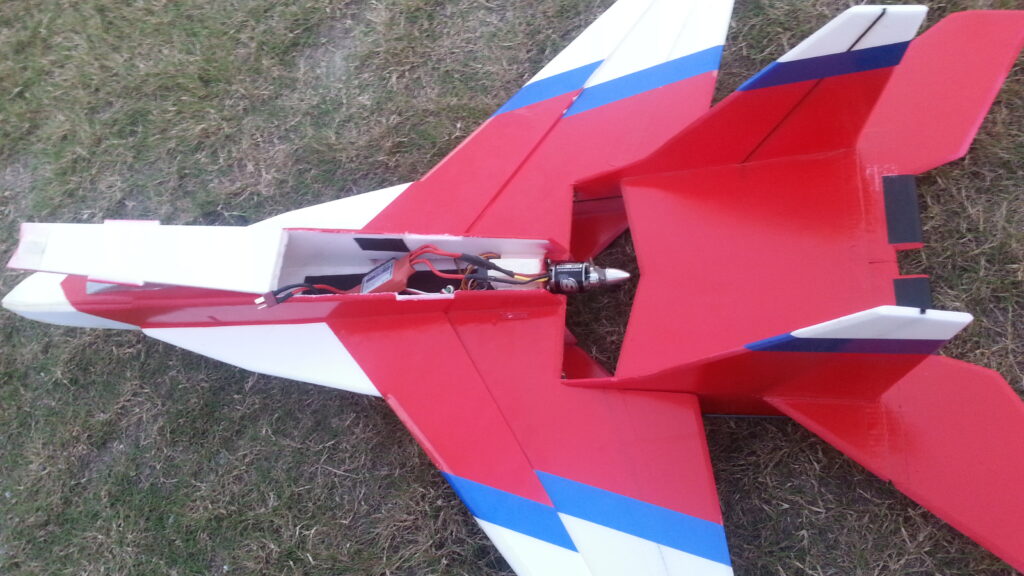
  • Electronics: Use lightweight components (micro servos, small ESCs, small brushless motors or coreless brushed motors, tiny LiPo batteries). Ensure motors are well-cooled as foam can trap heat.
  • Finishing: Lightweight spackle can fill minor dings. Acrylic paints (water-based) are best. Apply thin coats to avoid adding excessive weight. Lightweight films like laminating film (“lam film”) can add significant strength and durability without much weight penalty.

The Future is (Still) Foamy

Depron RC planes represent a democratization of the hobby. They lower the cost, skill, and space barriers to entry while still offering immense for creativity and performance. Whether you’re a complete novice taking your first nervous steps into RC flight, a seasoned pilot looking for a relaxing park flyer, or a designer itching to test your latest aeronautical concept, models offer a uniquely rewarding experience.

Depron RC planes offer a cost-effective and accessible way to delve into the world of RC flying. Compared to traditional balsa planes, these lightweight foam models provide a perfect balance between ease of construction and impressive performance. Whether you’re a beginner or an experienced pilot, experimenting with Depron models can unlock a world of creative possibilities in the realm of RC aviation. Experience the thrill of flight with Depron’s lightweight, durable, and versatile foam planes today!

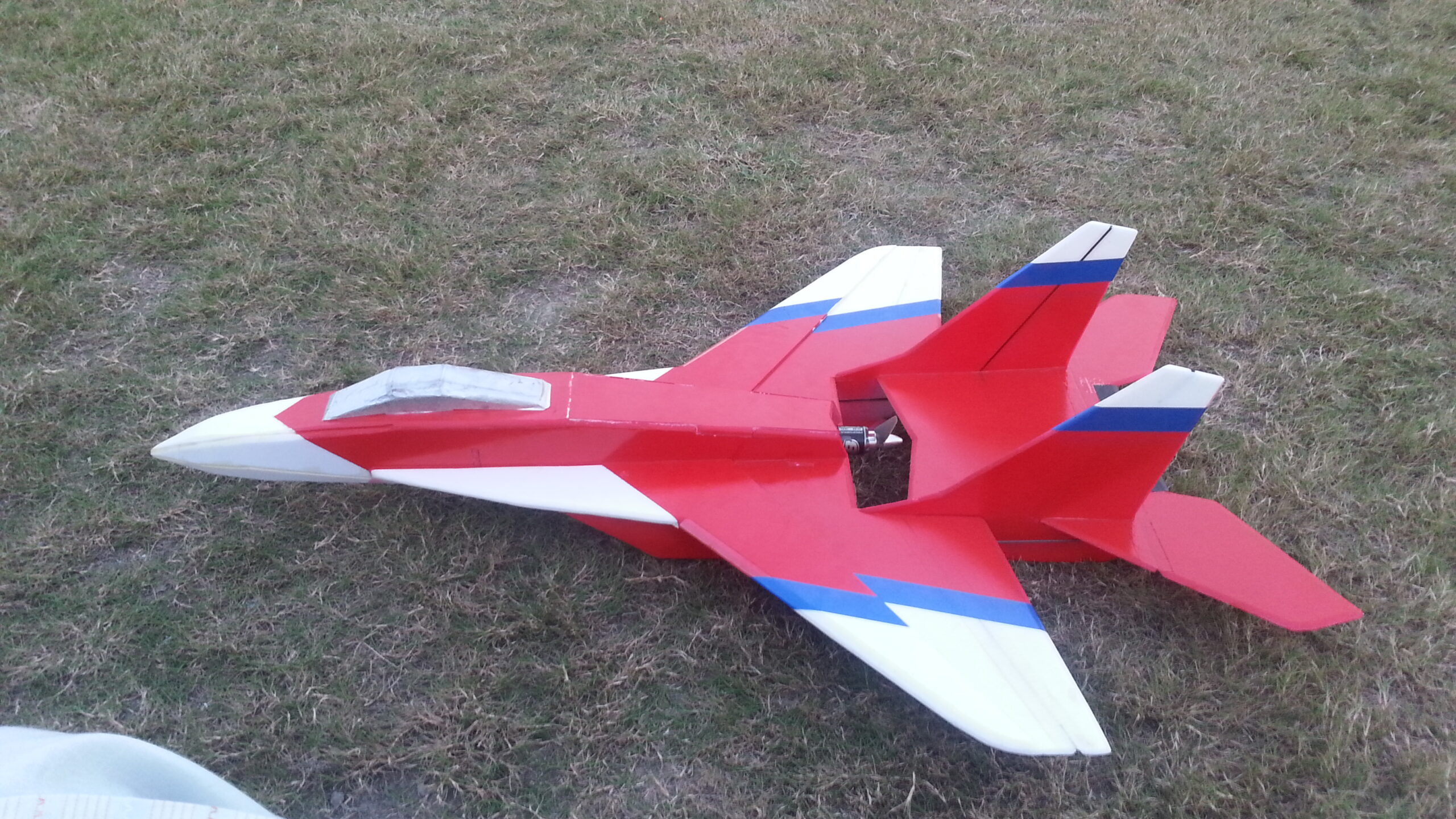
MiG-29 4th Generation Jet RC Model

The MIG-29 stake is the legendary fourth generation multi-roll fighter developed by the Soviet Union. Known for its mobility, two-engine thrust and powerful air dominance skills, the MIG-29 remains one of the most famous jet fighters in aviation history

This RC MIG-29 model gives the same advantage to the flight experience. Design that offers elegant aerodynamics and double channel fan motors:

High-speed performance

MiG-29 4th Generation Jet RC Model

Realistic twin vertical stabilizers

Stable flight with 6-axis gyro

Durable EPO foam construction

This model is ideal for medium to advanced RC pilots, recreating the real MIG-29 look and delivers exciting performance in heaven

ø;

Fly with power. Fly the power. MiG-29 RC

MiG-29 4th Generation Jet RC Model

Explaned real model mig 29

The MiG-29 “Fulcrum” is powered by twin Klimov RD-33 turbofan engines, each providing the following thrust:

Thrust ModePer EngineTotal (Both Engines)
Dry Thrust
(No afterburner)
50 kN (11,240 lbf)100 kN (22,480 lbf)
Afterburner Thrust
(Max military power)
81.3–83.4 kN
(18,300–18,750 lbf)
162.6–166.8 kN
(36,600–37,500 lbf)

Key Details:

  1. Engine Variants:
  • Baseline RD-33: Used in early MiG-29s (A/B models).
  • RD-33 Series 3: Upgraded for MiG-29S/SMT models (slightly higher thrust).
  • RD-33MK: “Vectored thrust” version for MiG-29OVT/MiG-35 (max 88.3 kN/19,840 lbf per engine).
  1. Performance Impact:
  • Enables a thrust-to-weight ratio >1:1 when lightly loaded (allowing vertical climbs).
  • Supercruise capability: Sustained supersonic flight without afterburners is limited but possible in certain configurations.
  1. Real-World Context:
  • Afterburner rapidly consumes fuel (used sparingly).
  • Modern upgrades (e.g., RD-33MA/MK) improve reliability and reduce smoke.

For RC Models:

If building a Depron foam RC MiG-29:

  • EDF (Electric Ducted Fan): Aim for 1:2 to 1:3 thrust-to-weight ratio.
  • Example: A 1.2 kg (2.6 lb) model needs 600–800g thrust.
  • Propeller-Powered: Use a high-KV motor (e.g., 2200–3000KV) with a 5–7″ prop.

⚠️ Note: Full-scale thrust figures are not directly scalable to RC models. Focus on thrust-to-weight ratios and wing loading for flight performance.

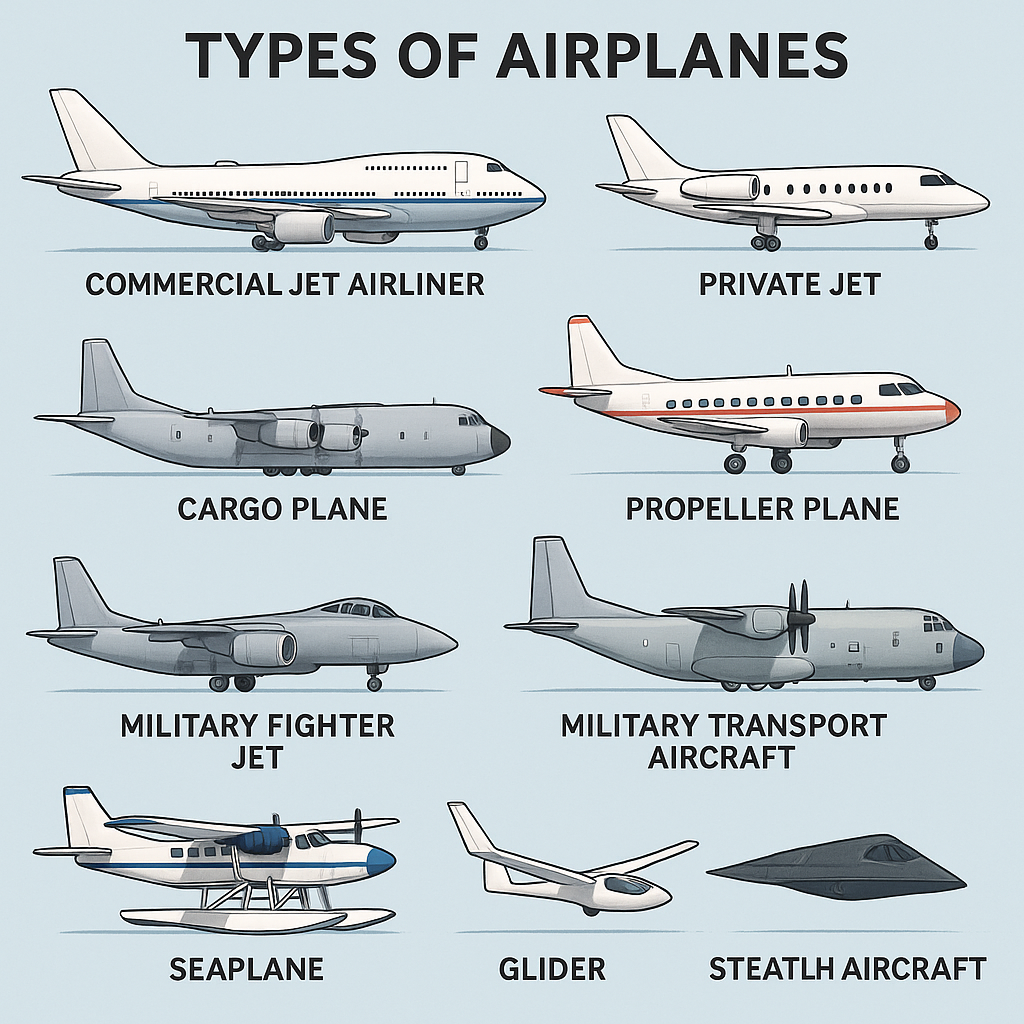
How many types of airplanes exist in 2025

RC Aircraft (Radio-controlled) Aircraft have long documented the imagination of aviation enthusiasts, hobbyists, and technically experienced craftspeople. Whether it’s sports, competition, or simple pleasures, these miniature planes offer a practical flight experience that combines engineering, skill, and fun. In this article, we will delve into the fascinating world of RC aircraft, exploring various types, their unique characteristics, and answering the question: how many types of airplanes are there? This topic continues to gain popularity, and understanding it can enhance your enjoyment and appreciation of this exciting hobby.

How many types of airplanes 101
How many types of airplanes exist in 2025

What is an RC aircraft? An RC aircraft is operated by a pilot who uses controls and switches that send signals to receivers aboard the aircraft. These receivers operate servos and engines to maneuver the aircraft’s control surfaces, including ailerons, elevators, and rudders. The pilot can also manage the engine or electric motor. Some RC planes are designed for slow, elegant flights, perfect for leisurely gliding through the air, while others are built for speed, aerial acrobatics, or long-term endurance, catering to different flying styles and preferences.

Different types of RC planes are available for enthusiasts to enjoy. From trainers to gliders, the variety is vast and caters to a wide range of flying skills and preferences. Each type of RC aircraft serves a unique purpose, whether it’s for learning, competition, or casual flying. Understanding the different categories can help you make informed decisions about which type of aircraft suits your needs best.

Understanding how many types of airplanes exist can enhance your appreciation for the diversity and engineering behind each design. RC aircraft technology has evolved significantly over the years, leading to advancements in materials, battery life, and flight control systems. As you explore the various types of RC aircraft, you may discover innovative designs that push the boundaries of what is possible in model aviation.

Coaching Aircraft

How many types of airplanes exist in 2025


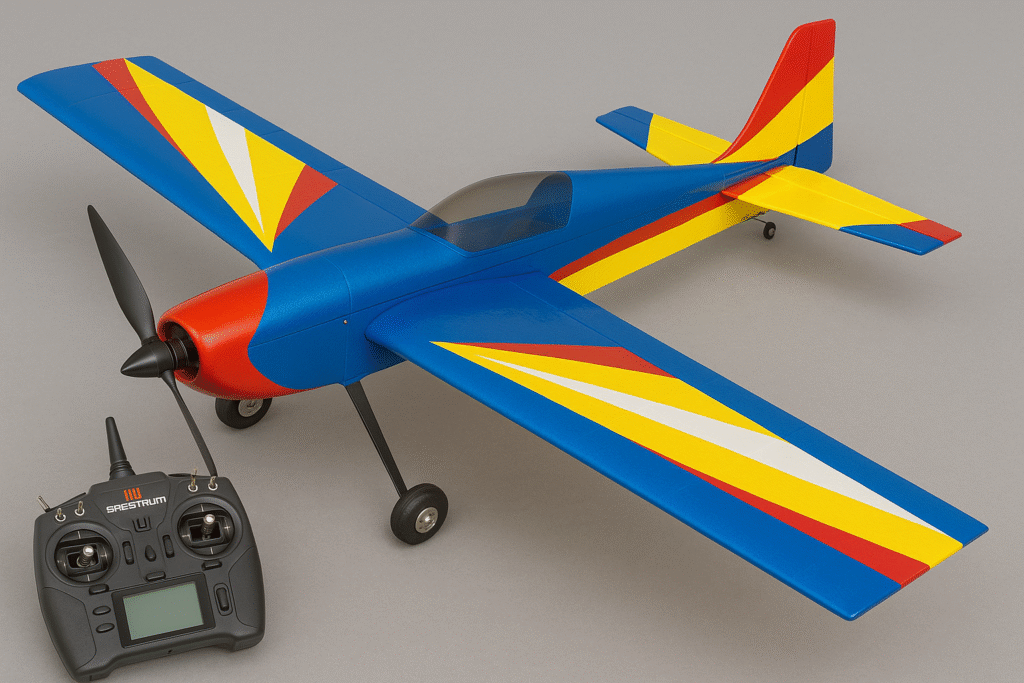
Ideal for beginners, the coaching aircraft is stable, forgiving, and easy to control. They typically feature a high wing design and durable construction, making them resilient against crashes. Coaching aircraft are designed to help new pilots build their confidence and improve their flying skills. For instance, planes like the Trainer 40 or the E-flite Apprentice are excellent choices for beginners, providing a smooth flying experience and reliable performance.

Sports Airplanes
These are more agile and faster than trainers, providing a mid-ground between simplicity and performance. Sports airplanes often feature a low-wing design for improved aerodynamics, allowing experienced pilots to enjoy thrilling flights. Models like the Great Planes Escapade or the Hangar 9 Pulse are excellent examples of sports planes that offer exciting capabilities for intermediate flyers, including aerobatic maneuvers and high-speed passes.

Scaling Models
These replicas are designed to closely resemble real aircraft, often built with meticulous attention to detail. Scaling models can be more challenging to fly due to their designs and weight distributions, generally making them more suitable for experienced pilots. Some enthusiasts enjoy the thrill of flying scale models of historic aircraft, like the P-51 Mustang or the Lockheed Martin F-22 Raptor, providing an authentic flying experience while appreciating the intricacies of the original designs.

Aerobatic Planes
Designed for stunts and tricks, these light aircraft are highly maneuverable and capable of performing impressive aerial acrobatics. Aerobatic planes, such as the Extra 300 or the CAP 232, are built for performance, allowing pilots to execute loops, rolls, and other complex maneuvers with precision. Engaging in aerobatic flying can be exhilarating and requires a solid understanding of flight dynamics and control inputs.

Gliders and Sailplanes
These are optimized for long, gliding flights, relying on thermals and rising air currents to stay airborne. Gliders are typically lightweight and feature long wingspans, allowing them to soar gracefully. Models such as the Multiplex Easyglider or the Great Planes Spirit are popular among enthusiasts who appreciate the challenge of flying without an engine. Mastering the art of gliding can lead to rewarding experiences and a deeper understanding of aerodynamics.

Additionally, the world of RC aircraft also includes electric and gas-powered options, catering to different preferences and flying conditions. Electric planes tend to be quieter and easier to maintain, making them perfect for casual flyers. In contrast, gas-powered planes often provide longer flight times and more power, appealing to those who enjoy competitive flying. Regardless of the choice, each type of RC aircraft offers its unique set of challenges and rewards, inviting pilots to explore and push their capabilities.