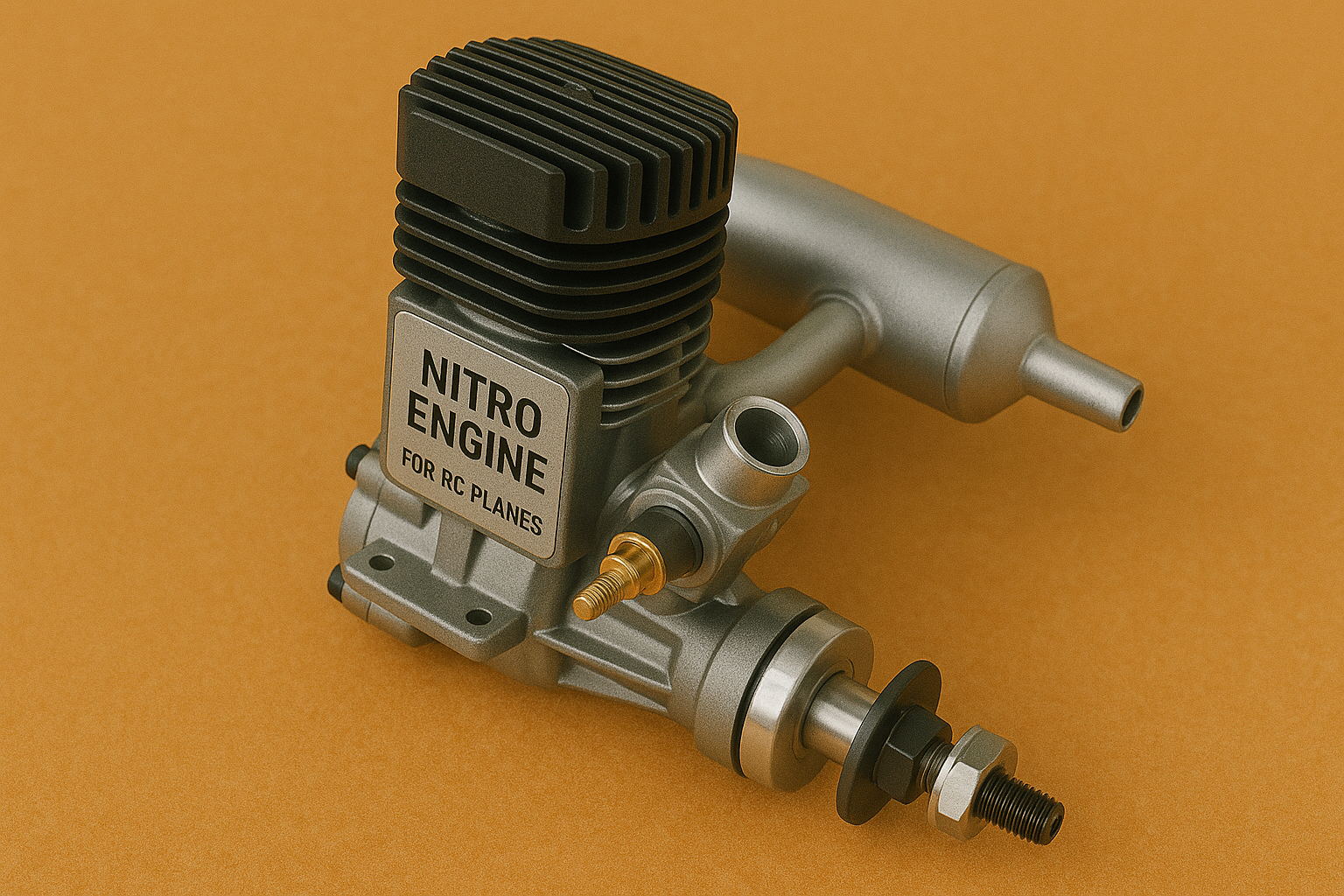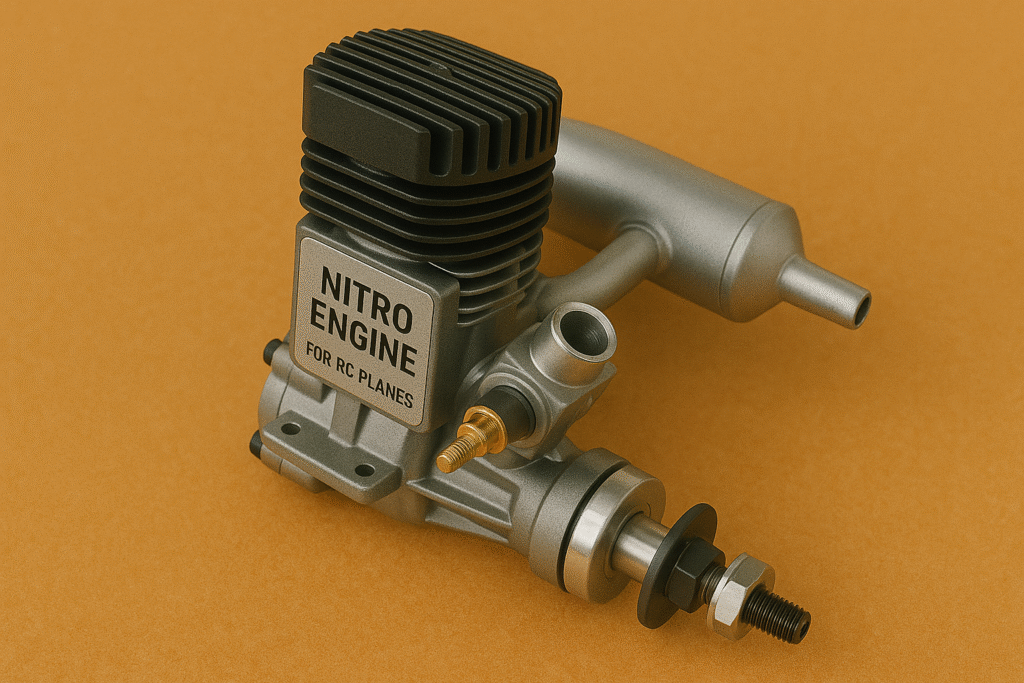
How to Set Up a Nitro Engine for the First Time

How to Set Up a Nitro Engine for the First Time

Table of Contents

  1. Introduction
    – Overview of nitro engines
    – What to expect as a beginner
  2. Getting Started and Setting Up the Basics
    – Tools and supplies you need
    – Priming the engine and glow plug check
    – Pre-start inspection tips
  3. Starting the Engine and Doing the Break-In Right
    – First-time starting guide
    – How to properly break in the engine
    – Mistakes to avoid during break-in
  4. Tuning Tips and Maintenance for Long-Term Performance
    – Fine-tuning for speed and reliability
    – Post-run care and maintenance routine
    – Troubleshooting common issues
  5. Conclusion
    – Building confidence with each run
    – Encouragement for continued learning

How to Set Up a Nitro Engine for the First Time

Setting up a nitro engine for the really first time may be both exhilarating and a little daunting, specifically if you’re new to the sport. But don’t worry—it’s easy than it appears once you get hands-on.

First things first, gather all that you need: nitro fuel (typically 20%), a glow igniter, the fuel bottle, a flat-headed screwdriver, after-run oil, and your RC model alongside a fully charged transmitter and recipient. Make sure your air filter is clean and installed appropriately because a dirty engine won’t last long. Connect the gasoline lines firmly and double-check for any leaks. Then set the engine by filling the tank and pulling petrol into the carburetor—this helps about the first ignition.

Test your light plug with the igniter; it should glow a solid orange. Once everything appears ready, you’re good to go to the beginning step. Be patient here—your engine might not fire up right immediately, and that’s entirely okay.How to Set Up a Nitro Engine for the First Time

Starting the Engine and Doing the Break-In Right

How to Set Up a Nitro Engine for the First Time

Once you’re set up, turn on your transmitter first, then your receiver. Attach the glow igniter and crank the engine using either the pull start or starter box. It might take a few tries, especially if this is the engine’s first run. After it starts, let it idle for a few minutes. For your very first tank, it’s best to let the engine run at idle with the car raised so the wheels don’t spin on the ground. This break-in step is really important—it helps all the moving parts settle in properly.

You want to keep the engine running rich during this time, meaning you’ll see some smoke coming from the exhaust. That’s a good thing! Run a few full tanks of fuel this way—start with idle, then gradually increase throttle as you go, but never go full throttle until you’ve completed at least 4-5 tanks. Let the engine cool down completely between each tank to avoid overheating. Don’t rush this step—it makes a big difference in how long your engine lasts and how well it performs down the line.How to Set Up a Nitro Engine for the First Time

Tuning Tips and Maintenance for Long-Term Performance
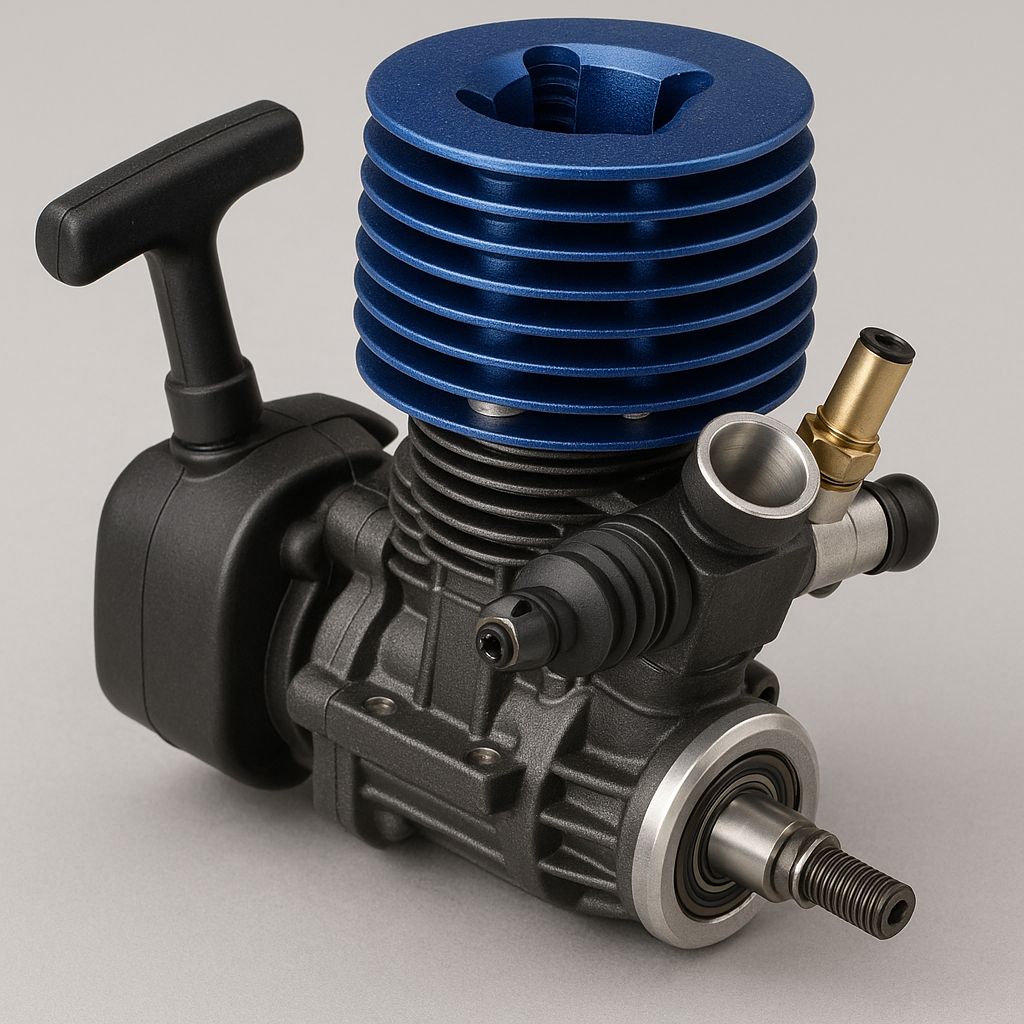
How to Set Up a Nitro Engine for the First Time


After the break-in time is done, you may start adjusting the engine for optimal performance. The idea here is to make tiny changes so the engine. It runs powerful without overheating. If your engine stuttering when growing faster, try modifying known as low-speed needles slightly. If it’s slow at full power, lean out the high-speed needle is used just a bit—but always check for smoke. You want a regulate between power and lubricant. Keep an eye on engine

temperature, and use a temp gun if you have one (target for roughly 200–270°F). After each run, don’t forget upkeep: maintaining empty the fuel tank, add a few drops of after-run oil, and clean an air filter. This procedure keeps your engine in great form and set for the next session. It’s also good to check the glow plug every now and then—they do wear out. Setting up and tweaking a nitro engine can seem like a lot at first, but once you’ve done it a few times, it becomes second nature. Take your period of time, enjoy the picking up process, and have fun with yourself nitro-powered machine!How to Set Up a Nitro Engine for the First Time
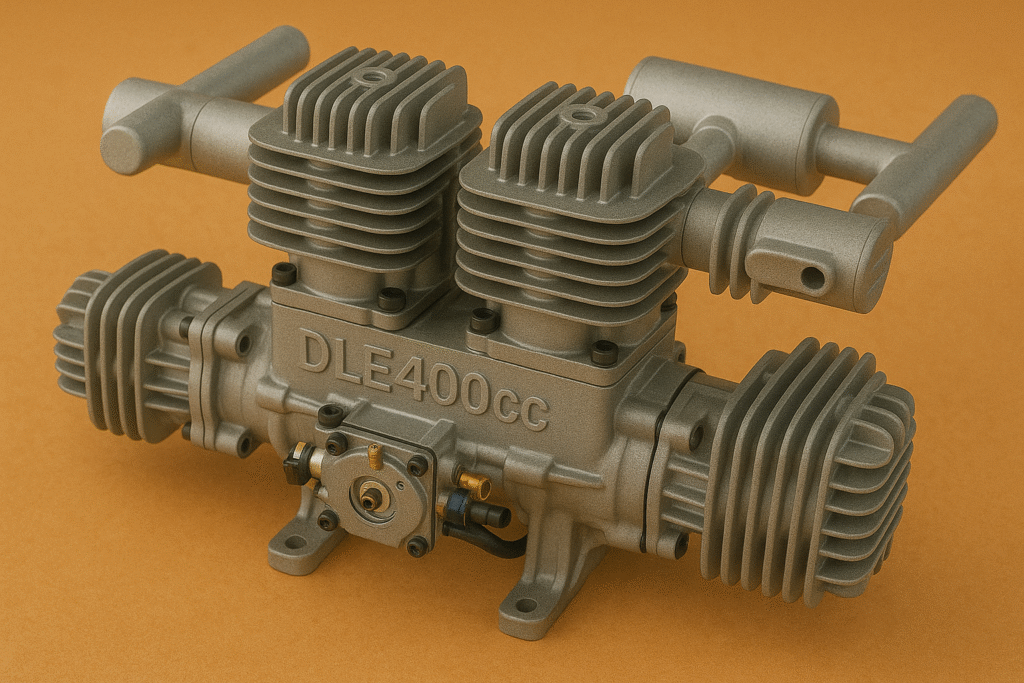
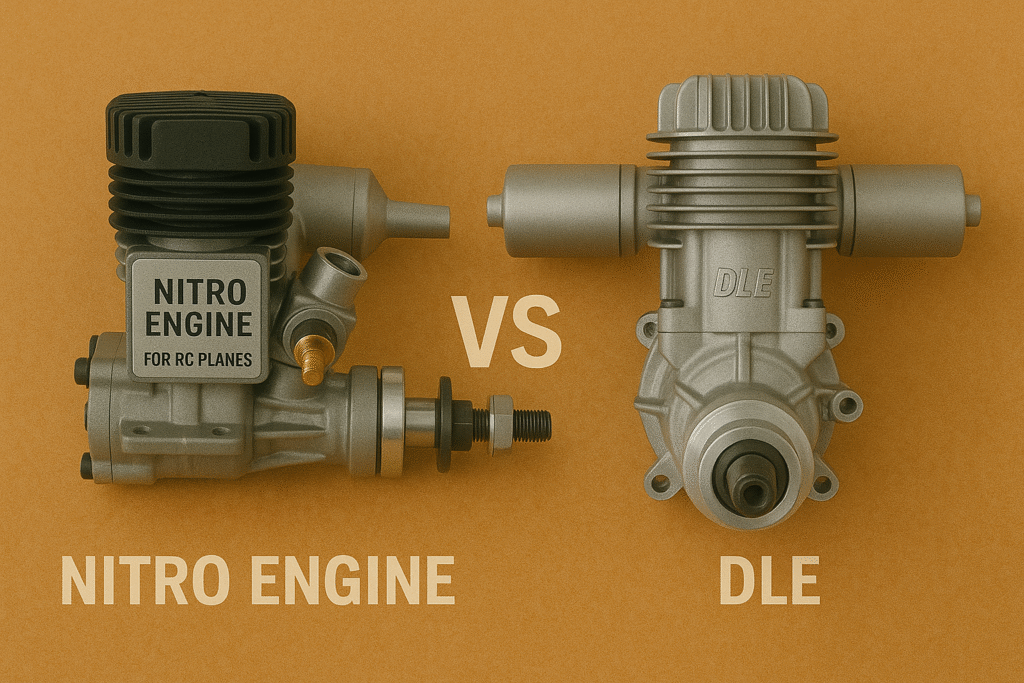
DLE 200 vs DLE 400 Gasoline Plane Engine

DLE 200 vs DLE 400 Gasoline Plane Engine

When it comes to efficient RC airplanes, the engine is at the core of everything. Among the leading alternatives for large-scale RC planes, the DLE 200 and DLE 400 gasoline engines stand out as strong and reliable solutions for amateurs who expect significant performance in the sky. Both engines are built for big models and deliver plenty of muscle, but they cater to various demands based on plane size, flying style, and engine arrangement. In this post, we evaluate the DLE 200 and DLE a total of 400 engines in terms of design, power, efficiency, and best-use scenarios.

Engine Configuration and Design

The DLE 200 is a strong twin-cylinder gasoline engine. It is engineered for performance, giving substantial power in a small and relatively lightweight design. Twin-cylinder configurations offer superb balance and less vibration compared to single-cylinder motors, making them a popular for giant-scale planes
On the other side, the DLE 400 is a four-cylinder, horizontally opposed (boxer) engine, which is one of the largest and most durable engines in the DLE family. It’s developed exclusively for ultra-large models and professional scale fliers that demand tremendous power with smooth operation. The four-cylinder layout means it runs incredibly smooth with very little vibration, delivering outstanding throttle response and tremendous torque DLE 200 vs DLE 400 Gasoline Plane Engine

DLE 200 vs DLE 400 Gasoline Plane Engine

Power Output and Performance

The DLE 200 normally provides roughly 20 horsepower, making it well-suited for large-size aerobatic planes, scale warbirds, and gigantic gliders. Its performance is more than enough for 100–120cc class models and gives outstanding climbing power, quick handling, and strong throttle range.

The DLE 400, being a monstrous four-cylinder engine, generates roughly 40 horsepower—double that of the DLE 200. This engine is built for genuine giants in the RC sky, typically used in 35%–50% scale aircraft, massive multi-wing planes, and high-speed aerobatics when insane levels of push are necessary. The DLE 400 allows pilots the opportunity to undertake extreme 3D maneuvers or fly massive warbirds with scale realism and confidence

Weight and Size

The DLE 200 is lighter than the DLE 400, typically weighing around 3.6 kg (7.9 lbs). Its compact form factor means it can be mounted easily in various fuselage types without extensive modification, making it popular among intermediate to advanced flyers.

In contrast, the DLE 400 is heavier, weighing approximately 6.8 kg (15 lbs). This added weight means it’s better suited to large models with enough space and structural strength to support it. While it offers exceptional performance, it also requires a well-planned build and reinforced airframe to handle the size and power of the engine.

DLE 200 vs DLE 400 Gasoline Plane Engine

Fuel Efficiency and Maintenance

Both engines are gasoline-powered meaning they offer superior fuel economy than nitro engines, especially during longer flights. The DLE 200 being a twin is easier to tune and maintain compared to the more complicated four-cylinder DLE 400. For many pilots, the DLE 200 achieves the sweet spot between performance and simplicity of ownership
The DLE 400 while more powerful and smoother, demands more care in terms of maintenance and tune owing to its higher cylinder count and complexity However, for experienced builders and pilots the trade-off is well worth it for the pure pleasure and capabilities this engine gives

Final Thoughts

Choosing between the DLE 200 and the DLE 400 boils down to the size of your RC airplane, your flying ambitions, and your experience level If you desire excellent power, dependability and easy maintenance the DLE 200 is a solid competitor that fits a broad variety of big aircraft If you re creating or flying a genuinely big model and require tremendous power with seamless delivery the DLE 400 stands unsurpassed in its class Both are fantastic engines and whatever you select DLEs engineering and reliability will keep you flying strong

Understanding Nitro Engines: Powering Performance in 2025

Understanding Nitro Engines: Powering Performance in Small Packages 2025
Understanding Nitro Engines: Powering Performance in 2025

Introduction

Nitro engines, commonly known as glow engines, are small internal combustion engines driven by a special fuel mixture with nitromethane. These engines are often used in radio-controlled vehicles, planes, helicopters and boats, and offer a unique mix of high performance, exciting sound and practical mechanical engagement.

What is a Nitro Engine?

A nitro engine is a type of two-stroke or four-stroke engine that burns fuels made from methanol, nitromethane, or oil (usually castal oil or synthetic lubricant). The term “nitro” refers to nitromethane, a flammable additive that increases engine power. The glow ones are electrically heated at the start and remain hot due to the heat of combustion, maintaining ignition throughout the motor operation.

How Does a Nitro Engine Work?

Here’s a simplified breakdown of how a two-stroke nitro engine operates:

  1. Fuel Intake: The carburetor mixes air and nitro fuel, pulling it into the combustion chamber.
  2. Compression and Ignition: The piston compresses the mixture. The glow plug ignites the compressed fuel.
  3. Combustion and Power Stroke: The explosion forces the piston downward, creating power.
  4. Exhaust and Scavenging: The upward motion of the piston forces out the exhaust gases and draws in fresh fuel for the next cycle.

This cycle repeats rapidly, producing thousands of revolutions per minute (RPM), generating enough power to propel RC vehicles at high speeds.

Advantages of Nitro Engines

Understanding Nitro Engines: Powering Performance in 2025
  • Realistic Performance: The engine sound and exhaust smoke give a more authentic experience than electric motors.
  • High Power-to-Weight Ratio: Nitro engines are compact yet powerful.
  • Extended Run Time: Compared to electric motors, they can run longer with quick refueling.
  • Tuning Flexibility: Adjustable carburetors allow for precise performance tuning.

Common Applications

Understanding Nitro Engines: Powering Performance in 2025

Nitro engines are primarily found in:

  • RC Cars: For off-road and on-road racing enthusiasts.
  • RC Aircraft: Providing powerful thrust and long flight durations.
  • RC Boats: For competitive racing and recreational use.

Maintenance and Challenges

Despite their advantages, nitro engines require regular maintenance and tuning. Some common challenges include:

  • Starting Difficulties: Especially in cold weather.
  • Engine Tuning: Requires knowledge of fuel mixtures, needle valve adjustments, and temperature sensitivity.
  • Wear and Tear: Piston and sleeve wear over time, necessitating periodic replacement.

Conclusion

Nitro engines remain a favorite among RC enthusiasts who appreciate the mechanical complexity, tuning possibilities, and the visceral excitement they offer. While electric motors are popular for their simplicity and low maintenance, nitro engines continue to thrive in congregations that appreciate blankets and actual participation.

https:rcplanes3d.xyzhttps://rcplanes3d.xyz/

🧪 Fuel and Glow Plug First

Before tuning, make sure:

  • You’re using the correct fuel (e.g., 20% nitro, 12–18% oil content).
  • You have a working glow plug suitable for your engine and weather.
  • The engine is fully broken in. Do not fully tune a brand-new engine until after break-in.

🔩 Carburetor Basics

A nitro engine typically has 3 carburetor adjustments:

Screw TypeFunction
High-Speed Needle (HSN)Controls fuel at high RPM/full throttle
Low-Speed Needle (LSN)Controls fuel at idle/low RPM
Idle ScrewSets throttle barrel opening at idle

⚙️ Factory Starting Point

Always start tuning from the factory baseline:

  • High-Speed Needle: 2.5 to 3 turns out from fully closed
  • Low-Speed Needle: Flush with the collar (or as specified by the manual)
  • Idle Screw: Open throttle gap to about 1mm

Do not overtighten any needles! Turn them gently until seated, then back them out.


🔥 Break-In Settings (Rich)

  • HSN: Open (rich) to keep engine cool
  • LSN: Slightly rich to allow smooth transition
  • Keep temps around 200°F (93°C) during break-in
  • Let engine idle and rev gently for the first few tanks

🎯 Tuning Steps for Performance

1. High-Speed Needle Tuning

  • Run full throttle on a long straight.
  • If the engine bogs or slows, it’s too rich — turn HSN clockwise (lean).
  • If it screams then cuts out, it’s too lean — turn HSN counterclockwise (rich).
  • Proper tuning gives:
    • Strong top-end power
    • Thin smoke trail
    • Engine temps around 220–260°F (104–127°C)

2. Low-Speed Needle Tuning

  • Pinch the fuel line at idle:
    • If engine runs 3–4 seconds then revs, it’s rich (turn LSN in).
    • If engine instantly dies, it’s lean (turn LSN out).
  • Proper LSN tuning gives:
    • Crisp throttle response
    • Steady idle
    • No sputtering or flameouts on acceleration

3. Idle Speed Adjustment

  • Adjust the idle screw to maintain stable idle RPM.
  • Engine should not creep forward when idling (on cars).
  • Idle gap should be around 1mm in the carb opening.

🛠️ Quick Troubleshooting

IssueLikely CauseFix
Engine won’t startGlow plug bad, LSN too richReplace plug, lean LSN 1/8 turn
Engine overheatsHSN too leanRichen HSN (counterclockwise)
Sluggish accelerationLSN too richLean LSN slightly
Stalls on throttle inputLSN too leanRichen LSN slightly
Smoke is excessiveToo richLean HSN or LSN slightly
No smoke, engine screamsToo leanRichen needles immediat