
Build Your Own RC EDF F22 Jet Download Plans Enjoy

Build Your Own RC EDF F22 Jet Download Plans Enjoy

Table of Contents

  1. The Passion Behind the F-22 Raptor Experience
  2. Getting the Right Plans and Preparing Materials
  3. Choosing Your EDF and Beginning Construction
  4. Control Setup and Electronics Integration
  5. Final Flight Tips and Exploring Beyond the F-22

1. Taking Flight with the F22 EDF Jet—A Thrilling RC Experience

Build Your Own RC EDF F22 Jet Download Plans Enjoy

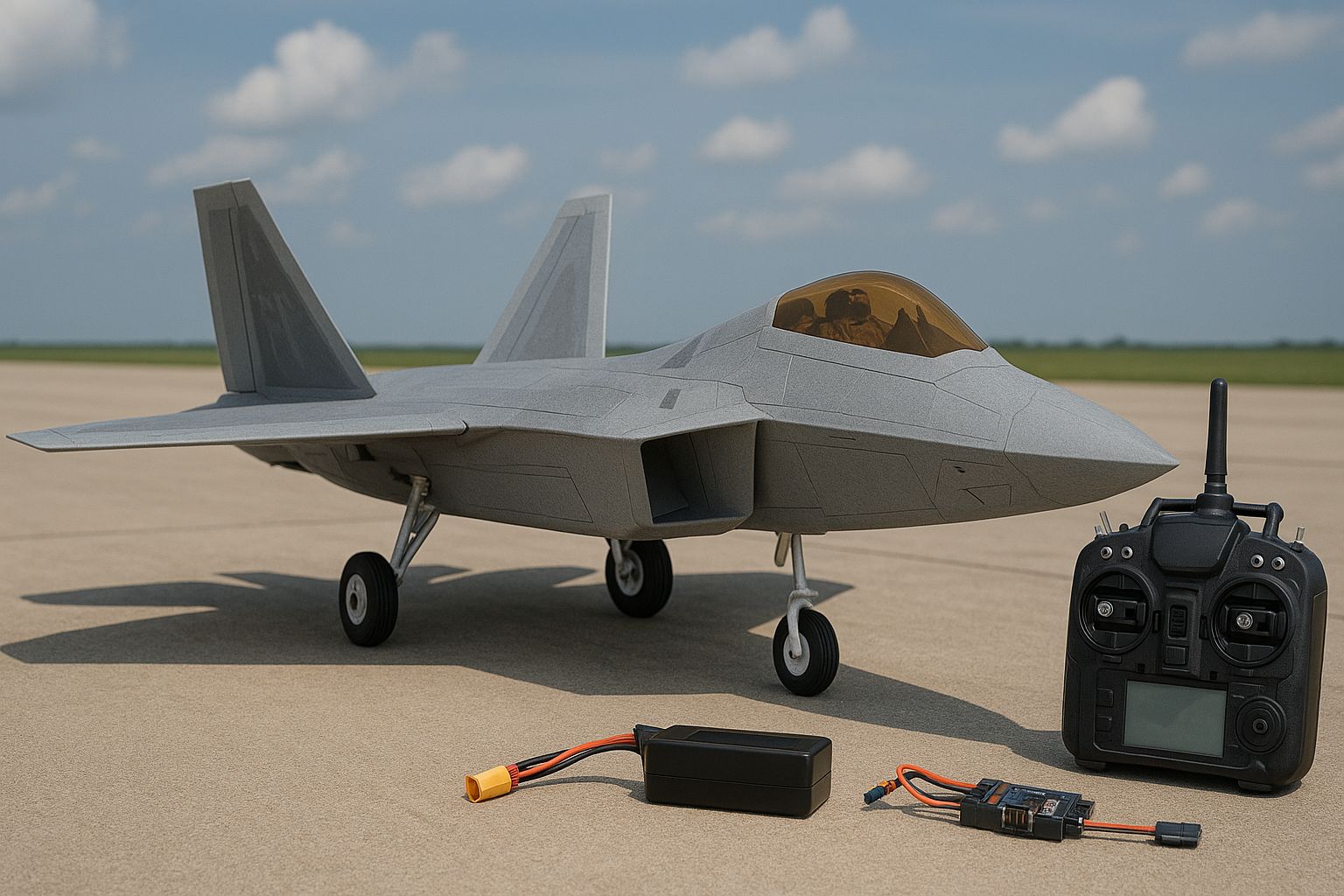
Building and piloting a scaled-down replica of the F-22 Raptor is more than just a pastime for RC fans; it’s a full-fledged passion. Nothing compares to the sleek, aggressive silhouette of the F-22 Raptor darting across the sky. The EDF F22 jet’s amazing speed, great dexterity, and jet-like feel have made it one of the most popular projects for RC builders. This aircraft’s electric ducted fan engine and foam structure provide speed, stability, and agility without breaking the bank. If you take your time, stick to a plan, and get familiar with each system as you go, it’s also surprisingly beginner-friendly. Anyone who wants to construct something that not only looks like a fighter aircraft but also flies like one may use this tutorial to get a free set of F22 EDF foam jet plans. Build Your Own RC EDF F22 Jet Download Plans Enjoy

Build Your Own RC EDF F22 Jet Download Plans Enjoy

The first thing you should do is get the appropriate plan. Here is a link to a tried-and-true RC F22 EDF jet foam board plan, so you’re covered. Depending on your taste and flying field, these designs may be used with either 50mm or 64mm EDF units and are made using basic foam board materials like Dollar Tree foam or Depron. Get the plans in PDF format. Tile them together and begin cutting after printing them on A4 or letter-sized paper. You don’t need to be an expert to comprehend each area since it is properly labeled with folds, glue zones, and component positions highlighted. The greatest aspect is that this construction is modular, so as you get more skill, you can simply modify it for improvements or replace the electronics. Before you begin cutting and adhering, make sure you have all the necessary supplies. Because it is a foam jet construction, it is inexpensive, lightweight, and crash-tolerant. Foam board hot glue or foam-safe CA is required. Use packaging tape for hinges or sealing control surfaces and a sharp hobby knife to adhere carbon fiber rods for reinforcement. Build Your Own RC EDF F22 Jet Download Plans Enjoy

2. Downloading Plans and Gathering Essentials

A suitable ESC is also required if you’re using a 50mm or 64mm EDF fan unit; they range from 30A to 40A, depending on the motor rating. A radio transmitter with elevon mixing capabilities, a 4-channel receiver, and a 3S LiPo battery You may also test components before attaching them with the aid of a servo tester and simple soldering equipment. Build Your Own RC EDF F22 Jet Download Plans Enjoy

Build Your Own RC EDF F22 Jet Download Plans Enjoy

Regarding the fan unit, this RC model’s jet-like propulsion and scream are provided by the electric ducted fan, or EDF. A 50mm EDF unit with a brushless motor operating at 4300 to 4800 KV is an excellent basic configuration for backyard or small field flying. It provides sufficient propulsion for aerobatic flying while using little battery current. A 64mm EDF with a higher wattage motor and 4S LiPo can simply blow you away if you’re searching for speed and distance. However, keep in mind that the power system must be harmonized with the strength of the airframe and your flying ability. Don’t make your first version too complex. Keep it light and make improvements as you go. When properly balanced and constructed, even a simple arrangement may provide remarkable flying performance. The construction phase is the most fascinating aspect of the process. To begin, print the paper plans, adhere them to your foam sheets, and carefully trace each component. Use caution while using the knife to ensure that your cuts are straight and clean. To prevent damaging the foam, make sure your knife is sharp and use a metal ruler. Build Your Own RC EDF F22 Jet Download Plans Enjoy

3 Building the Fuselage and Control System

After your components are cut out, start putting the fuselage together by working your way up from the bottom plate. The vertical stabilizers should fit snugly, and the wings should line up flush with the main body. If you want to reach full throttle later, the blueprints will tell you where to install carbon fiber spars to reinforce the fuselage and strengthen the wings.

To allow for unrestricted movement on control surfaces, carefully cut your elevons and bevel the edges. Use foam-safe adhesive or packing tape hinges to hold them in place. Installing the servos within the wing cutouts and attaching them to your elevons using control horns and pushrods is the next step. Before gluing everything in place, make sure the servo centering is correct and use a basic two-servo elevon mixing arrangement on your radio transmitter. It takes some time to mount the EDF unit; depending on your design, it should fit snugly in the internal tunnel or rear exhaust hole. For a smoother exhaust and more effective push, some builders choose to install the EDF within a thrust tube composed of laminated paper or rolled plastic.

4. Installing Electronics and Preparing for Flight

Build Your Own RC EDF F22 Jet Download Plans Enjoy

The performance and sound realism are greatly enhanced by this little tweak. It’s time to bring your F22 to life when the frame is finished. Use Velcro or foam tape to attach the ESC and receiver close to the center of gravity, and make sure the wiring is neat and out of the way. To fine-tune balance, place the LiPo battery in a central bay that allows you to move it slightly forward or backward. Check the servo movement after connecting all the circuits and binding your radio. The EDF throttle response and ESC arming Avoid skipping this testing stage, particularly if it’s your first build, since a single misaligned servo or a faulty solder junction might result in a crash only seconds after takeoff.

Build Your Own RC EDF F22 Jet Download Plans Enjoy

The Gravity Center On jets like the F-22, CG is crucial, and it should normally be placed directly beyond the leading edge of the wing or wherever the design specifies. To get the ideal battery position, use your fingers or a CG stand to balance the aircraft from nose to tail. It’s time for your first flight after you’re sure everything goes as planned. Aim slightly higher and launch your F22 with a forceful underhand throw at around 70% throttle. Don’t try too hard the first time. Rather, maintain stability and adjust your controls while in flight to ensure the jet flies level. Control is more important for a successful first flight than speed. Review your battery statistics, ESC temperature, and airframe condition after a successful flight to make any necessary adjustments.

5 Mastering Flight and Exploring More Jet Builds

Because of its throttle-sensitive control and high speed and low drag, flying an EDF jet is not like flying a prop aircraft. Because EDFs react swiftly to elevon input and stall quickly if you pull too hard at low speeds, you should practice smooth motions. Fly in open areas, such as dry lake beds or sports fields, when the weather is calm and windy. Additionally, pay attention to flight durations—EDFs use a lot of power and often fly for three to five minutes on a 2200mAh battery. To prevent your battery from dying, always land with enough energy remaining and set a timer on your radio or telemetry, if one is available.

After mastering the F22, you may experiment with other incredible foam EDF aircraft, such as the F35 Mirage or Sukhoi Su27, and even scale models that have functioning lights and retractable landing gear. Foam board RC jets have the advantage of being able to be upgraded and crash-rebuilt without breaking the bank. Additionally, you will have practical experience with aircraft design and aerodynamics electronics, which will transfer into practical technical expertise. Don’t be shocked if this pastime eventually leads to you creating your own customized jet or 3D printing special components. The EDF F22 foam jet is an exciting and satisfying project that puts the sky in your hands, regardless of your level of expertise. It is suitable for both novice and expert RC pilots.

Brushed vs Brushless DC Motors in RC Hobbys

Brushed vs Brushless DC Motors in RC Hobbys

able of Contents

  1. Introduction to RC Motors
  2. Brushed Motors: Simplicity and Affordability
  3. How Brushed Motors Work
  4. Pros and Cons of Brushed Motors
  5. Brushless Motors: Power and Precision
  6. How Brushless Motors Operate
  7. Advantages of Brushless Motors
  8. Brushed vs Brushless: Key Differences
  9. Which Motor is Right for You?
  10. Conclusion: Choosing Based on Your RC Goals

If you like RC vehicles, aircraft, helicopters, or boats, you’ve definitely heard the controversy over brushed vs brushless motors. It’s one of those critical choices that may influence how your RC model performs, feels, and even lasts. Brushed motors have been around for a long time and continue to serve many enthusiasts well. These motors are basic in design. They employ tiny brushes within the motor to transfer power and generate motion. Because of their simple design,

Brushless moter Rotor

Brushed vs Brushless DC Motors in RC Hobbys

they are often less expensive and easy to operate, making them ideal for novices or anybody trying to save money. They’re simple to install, don’t need complicated electronics to function, and if they fail, repair is inexpensive and straightforward. That’s why brushed motors may still be found in many beginning RC cars and kits designed for casual pleasure. Brushed vs Brushless DC Motors in RC Hobbys

DC MOTER

Brushed vs Brushless DC Motors in RC Hobbys

But, like everything mechanical, their brushes wear out with time. You’ll notice a decline in performance when the motor loses power or becomes hotter. Brushed motors need more maintenance and do not provide the same speed, torque, or efficiency as more sophisticated hobbyists would want. Still, for someone learning the ropes or not looking to push their model to its limits, a brushed motor may be a reliable and inexpensive starting point.Brushed vs Brushless DC Motors in RC Hobbys

Why Brushless Motors Are the Future of High-Performance RC Models

Brushed vs Brushless DC Motors in RC Hobbys

Brushless motors are an altogether different beast. Serious RC aficionados salivate over them. The greatest distinction is there in the name: no brushes. Instead, they employ electronics to manage the motor’s power and movement, resulting in less friction, heat, and much more energy packed into a lesser, more efficient motor. That is why brushless aircraft engines can withstand faster speeds, rougher terrain, and longer flying hours without overheating.

Brushed vs Brushless DC Motors in RC Hobbys

When you’re behind the wheel or at the controls, you can anticipate faster acceleration, smoother throttle reacting, and more overall control. Furthermore, they do not wear out like brushed motors, so you don’t have to continuously switch components or tune things up after a few runs. The only obvious disadvantage is the higher cost of brushless electricity and the speed controls that accompany them. They also need more know-how to set up, particularly for those new to the pastime. But once you’ve tried one, it’s difficult to go back.Brushed vs Brushless DC Motors in RC Hobbys

A brushless motor makes everything seem sharper

Brushed vs Brushless DC Motors in RC Hobbys

quicker, and more responsive, whether you’re racing an RC truck over rugged terrain, making tight turns with a drift car, or flying a high-speed RC jet. Brushless systems are becoming more affordable, even for casual amateurs. So, whether you’re just starting out or seeking to upgrade, knowing what each motor provides can help you choose what’s best for your RC experience—simple enjoyment with brushed or next-level capability with brushless.


Conclusion: Choosing the Right Motor for Your RC Goals

whether you’re only establishing out in the RC world or you’ve been building and flying for years understanding the variance between brushed and brushless motors can actually help you get the most out of your hobby if that you’re new to the sport on a budget or just want something straightforward that works cleaned engines are a great effect to start they’re easy to install don’t need much scientific know-how and are perfect for basic that drive or flying confronts they let you get into the hobby fast and without much fuss

JETI Duplex DC-24 II The Ultimate RC Transmitter

JETI Duplex DC-24 II The Ultimate RC Transmitter

Table of Contents

  1. Introduction: A Statement of Engineering Excellence
  2. Advanced Transmission & Channel Capabilities
  3. Telemetry Powerhouse with REX 12 Assist
  4. Premium Build Meets Functional Design
  5. Deep Customization for Every Flight Profile
  6. Future-Proof Technology and Community Support
  7. Conclusion: For Those Who Fly with Purpose


Introduction: A Statement of Engineering Excellence

Few transmitters are more respected in the high-performance field of RC aircraft and sophisticated hobby control systems than the JETI Duplex DC-24 II Carbon Line Orange Anodized version. This transmitter is not just a tool, but also a work of art in terms of engineering and design. The DC-24 II looks as powerful as it operates, thanks to its crisp carbon fiber faceplate and brilliant orange anodized metal. Beyond its beautiful design, however, lies a depth of performance suitable for expert pilots, skilled modelers, and those who want nothing less than excellence from their RC gear.JETI Duplex DC-24 II The Ultimate RC Transmitter

JETI Duplex DC-24 II The Ultimate RC Transmitter

Advanced Transmission & Channel Capabilities

The Duplex DC-24 II is designed to transform the RC control experience. It has two 2.4GHz and 900MHz redundant transmission modules, ensuring unrivaled dependability and signal integrity even in the roughest situations. The transmitter has 24 completely proportional channels, allowing users to operate sophisticated aircraft or RC systems with no limitations. The huge color LCD screen, easy menu system, and haptic feedback make accessing telemetry, model parameters, and mixes simple. The ergonomic arrangement enables smooth use over extended periods of time, and the switchgear—every stick, knob, and toggle—feels aircraft-grade, machined for longevity and accuracy.JETI Duplex DC-24 II The Ultimate RC Transmitter

Telemetry Powerhouse with REX 12 Assist

What actually distinguishes this transmitter is its perfect interaction with the JETI EX Bus telemetry system. Users may obtain real-time data from their aircraft’s sensors, which monitor battery voltage, temperature, current, airspeed, GPS, and other parameters. When combined with the REX 12 Assist receiver (seen in the picture), the DC-24 II provides complete stabilization capabilities. The REX receiver has internal gyro aid, adjustable failsafe settings, and ultra-precise signal routing. This transmitter and receiver combination provides both security and precision, providing a professional-grade connection between pilot and model. Whether you’re flying a giant-scale warbird, a precision aerobatics aircraft, or a turbine-powered jet, this combination provides excellent control input and system health information.JETI Duplex DC-24 II The Ultimate RC Transmitter

Premium Build Meets Functional Design

Beyond only achievement, the Carbon Line model stresses superior build quality. The transmitter enclosure is CNC-controlled from aluminum and coated with a hard coated orange coat, providing that either fundamental power and a visually beautiful appeal. The carbon fiber faceplate not only increases looks but also saves weight without losing durability. The balance and weight distribution of the unit are excellently suited for neck-strap or tray-style flying, inviting to both conventional and contemporary pilot preferences.

Deep Customization for Every Flight Profile

JETI also offers deep customization options through the DC-24 II. Pilots can configure voice alerts, assign logical switches, adjust curves, and set up intricate flight modes tailored for 3D flight, gliding, or FPV racing. The transmitter even allows wireless training systems, so instructors can safely hand over control to students or co-pilots. It’s a favorite among competition flyers due to its latency-free response, precise inputs, and exceptional RF robustness. With over 24 programmable flight phases and integrated data logging, it also serves as a reliable flight tracking and post-flight analysis tool.

Future-Proof Technology and Community Support

In addition, firmware upgrades assure futureproof operation. The JETI Studio program enables the user to upgrade software, load tradition sounds, and handle models effortlessly from a computer. The built-in SD card slot offers increased storage for logs, audio recordings, and model setups. The support network behind JETI goods is also broad and experienced, which makes setup and fixing much simpler for both experts and dedicated amateurs.

JETI Duplex DC-24 II The Ultimate RC Transmitter

Conclusion: For Those Who Fly with Purpose

This JETI Duplex technology DC-24 II Carbon dioxide Line Orange Oxidized is not only a The RC transmitter—it’s the apex of what accuracy, safety, and elegance can provide in the remote-control world. It’s created for enthusiasts who see their models as an expansion of one another, where every flight needs perfect synergy among pilot and machine. If you’re searching for a the transmitter that not only works perfectly but also stands out on the the pilot line, the DC-24 II is a the investment in greatest control, created for individuals who genuinely enjoy the art of RC

How to fly RC Belt CP Brushless Helicopter

How to fly RC Belt CP Brushless Helicopter

Table of Contents

1 Taking Flight with the RC Belt CP Brushless Helicopter
2 Built for Performance and Control
3 Learning and Progressing with the Belt CP
4 The Experience and Passion Behind the Flight

How to fly RC Belt CP Brushless Helicopter

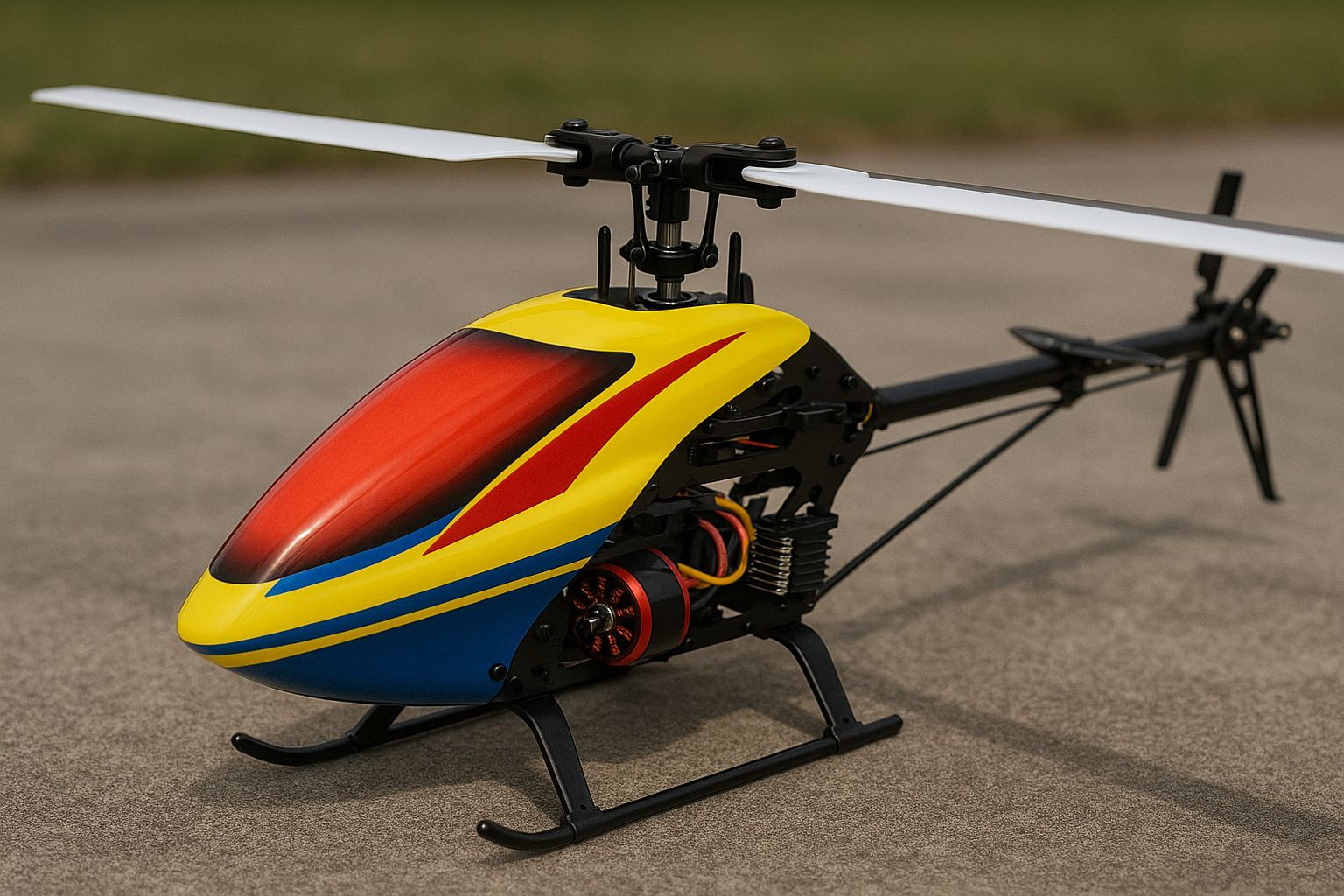
Being able to fly a remote control aircraft is an experiences unlike any other and the RC Belt CP Brushless Helicopter stands out as a powerful dependable and performance focused model that has won its way in the hearts of enthusiasts worldwide Built with precision and geared for beginner to advanced pilots that the helicopter is more than just a toy it is a machine that reacts with accuracy to every touch of the stick making it perfect for those who want to take their abilities to the next level The brushless motor provides it a substantial benefit over earlier brushed versions delivering longer flying periods greater power and smoother operation The Belt CP incorporates a collective pitch rotor system which means you can fly it upside down make loops and conduct other 3D acrobatics if you have the competence It is designed with sturdy elements like aluminum and carbon fiber that enable it endure the odd accident while keeping the weight low for improved agility Whether you are hovering practicing figure eights or going all in with acrobatics this aircraft feels responsive stable and ready for action . How to fly RC Belt CP Brushless Helicopter

Built for Performance and Control

One of the most intriguing characteristics of the Belt CP is its brushless power system which gives great torque and fluid acceleration with out the wear and tear associated with brushed motors This improvement enables pilots to enjoy consistent performance with minimal repair and longer component life making it a better investment for dedicated fliers The tail rotor is powered by a belt which is not just where the name derives from but also another design that gives smoother tail control and higher longevity than direct drive configurations You will note straight away how steady the tail is even in windy situations and how sharp the helicopter feels while turning or changing directions The Belt CP also incorporates a high grade gyro that aids with heading hold providing you greater control and confidence particularly while hovering or performing precise landings It comes with a robust frame powerful landing gear and a stylish canopy design that makes it seem as sharp as it flies The main propeller blades are intended for performance providing the helicopter good lift and rapid reaction which is suitable for fast climbs abrupt turns and tight maneuvers

Learning and Progressing with the Belt CP

While the Belt CP is not a novice helicopter it is an excellent alternative for an individual who is ready to proceed up from axial. or fixed pitch examples and wants to learn how to fly collaborative pitch helicopters The degree of control this model gives goes considerably above what you get with smaller helicopters and it is a fantastic stepping stone into professional RC flying With a programmable transmitter you can alter pitch throttle curves and expo settings to fit your skill level and flying style providing you the flexibility to progressively ease into more aggressive flying as you develop Many fliers utilize this helicopter as their training platform before advancing onto bigger or more complex 3D helis since it provides the right blend of capability and difficulty The availability of components is also a significant bonus since accidents do happen and being able to change blades gears or servos without first too much money or work makes the learning curve reasonable Flying the Belt CP teaches you how to think like a pilot grasp orientation at all angles, and develop your timing and coordination It rewards practice with smoother flights tighter moves and a great feeling of joy as your ability develops. How to fly RC Belt CP Brushless Helicopter

The Experience and Passion Behind the Flight

How to fly RC Belt CP Brushless Helicopter

Having and using the The RC Belt CP Brushless technology a helicopter is about more than just the devices it is about the joy and happiness that arrives with every takeoff and landing The a noise of the blades the preciseness of the controls and the challenge of learning complicated shifts all come jointly to make every flight session a memorable one Many amateurs enjoy altering and upgrading their Belt CP putting in more effective a servo stronger batteries or tailoring the paint scheme to match their personality There is also a strong sense of community around this kind that . How to fly RC Belt CP Brushless Helicopteronline in forums or at local flying clubs where pilots swap advice ideas and even spare parts The Belt CP becomes more than a designs it becomes part of your flying work and a sign of the way far you have gone in the hobby Whether you are practicing stable hangs discovering inverted flying or pulling off your first successful loop this a chopper follows you every step of the way It is steady enough for daily flying but proficient enough to keep things exciting within time and for those who love the sky the Belt CP brushless model delivers just what you need tremendous passion and sheer soaring joy

The Strength and The style of the RC Extra 300 stunt plane

The Strength and The style of the RC Extra 300 stunt plane

Table of Contents

1 Introduction to the RC Extra 300 Stunt Plane
2 What Makes the Extra 300 a Favorite Among Pilots
3 Performance Design and Maneuverability
4 Learning and Progressing with Confidence
5 Joining the RC Flying Community
6 Customizing and Upgrading the Extra 300
7 The Joy and Freedom of Fligh

The Strength and The style of the RC Extra 300 stunt plane

Flying an RC stunt plane is one of the most thrilling experiences in the world of remote control aviation, and the Extra 300 is a name that stands out in every flying field.

The Strength and The style of the RC Extra 300 stunt plane

Whether you are an experienced flyer or just starting to learn aerobatics, this aircraft offers an incredible balance of performance, style, and control The Extra 300 is modeled after a full scale aerobatic plane designed for precision flying and extreme maneuvers and its RC counterpart brings that same power and elegance into the hands of hobbyists around the globe With its sleek lines and bold look it is impossible to miss when it cuts through the sky Built with lightweight materials like foam or balsa and fitted with a powerful brushless motor and responsive servos this model is made for tight turns loops rolls inverted flight and more It is perfect for pilots who want to practice stunts or show off at local flying events The moment you take off with an Extra 300 you feel the difference It is smooth sharp and incredibly agile making every move feel confident and under control

The reason Pilots Pick the Extra 300 for Stunt Flying

The Strength and The style of the RC Extra 300 stunt plane

One of the primary reasons RC pilots enjoy the Extra 300 is its versatility to do difficult maneuvers with ease This plane has been expertly adjusted over years to become a popular in the aerobatics industry offering pilots a stable platform to push their flying talents to the next level Whether you are executing razor edge passes or high alpha hovers the Extra 300 retains its line and responds swiftly to every stick input making it ideal for freestyle routines and pattern flying It is not only about power but the design of this plane delivers outstanding stability at both high and low speeds allowing novices to learn with confidence while offering seasoned fliers the opportunity to explore The broad wingspan and low wing loading aid with sluggish flying and make recovery from challenging places considerably simpler Most versions now feature with strengthened landing gear and sturdy control linkages which allow the plane hold up well even after harsh landings or forceful maneuvers Plus many RC versions of the Extra 300 are engineered to be easy to maintain with modular parts detachable wings and quick access to electronics making maintenance and upgrades uncomplicated and worry free

The Pleasure of Flying and the Shared Experience That Comes having It

Being able to fly the power source RC Extra 300 is concerning more than just the actions it is regarding being part of a driven and encouraging community of aviators if you carry your Extra 300 to the the field there is a quick sense of related with those who share your enthusiasm for precise traveling and aerial creativity Pilots share tips change sets praise each other on and occasionally even arrange group acts for pleasure or envy The picking up never stops and it

The Strength and The style of the RC Extra 300 stunt plane

is what makes this pastime so fulfilling Whether you in are practicing solo or flying in rhythm with others every sessions in the sky is an opportunity to grow and enjoy the moment For those who prefer to experiment the Extra 300 presents unlimited options You may change the motor install better props tune control surfaces or update batteries to boost

performance

and flight duration And due to internet communities and flying clubs there are and is always help and inspiration only a few clicks away This aircraft is a out the best in pilots and forms a friendship by way of provided endure and mutual respect Absolutely nothing compared to the adrenaline of a perfect loop a precise roll or an elegant inverted pass all rendered possible by the faith you have in your Extra 300