
Build Your Own RC EDF F22 Jet Download Plans Enjoy

Build Your Own RC EDF F22 Jet Download Plans Enjoy

Table of Contents

  1. The Passion Behind the F-22 Raptor Experience
  2. Getting the Right Plans and Preparing Materials
  3. Choosing Your EDF and Beginning Construction
  4. Control Setup and Electronics Integration
  5. Final Flight Tips and Exploring Beyond the F-22

1. Taking Flight with the F22 EDF Jet—A Thrilling RC Experience

Build Your Own RC EDF F22 Jet Download Plans Enjoy

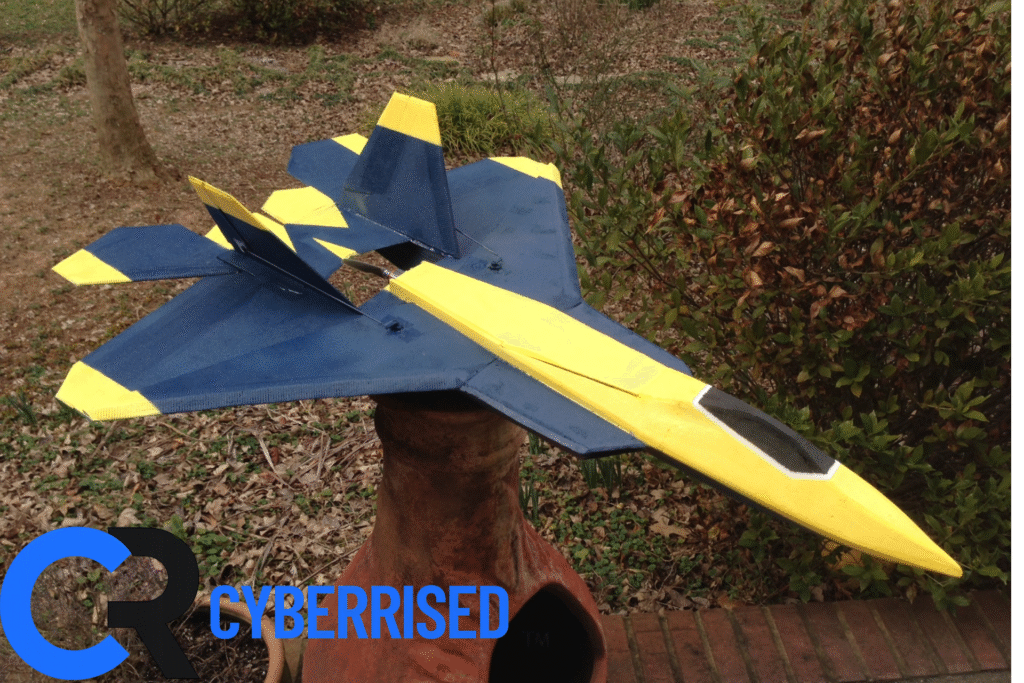
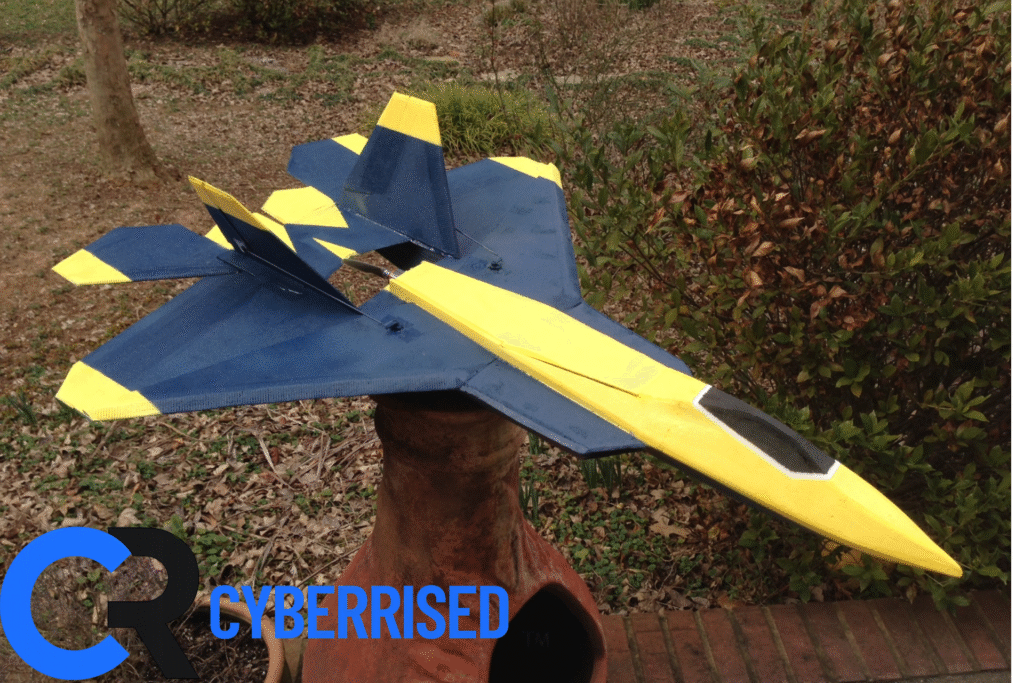
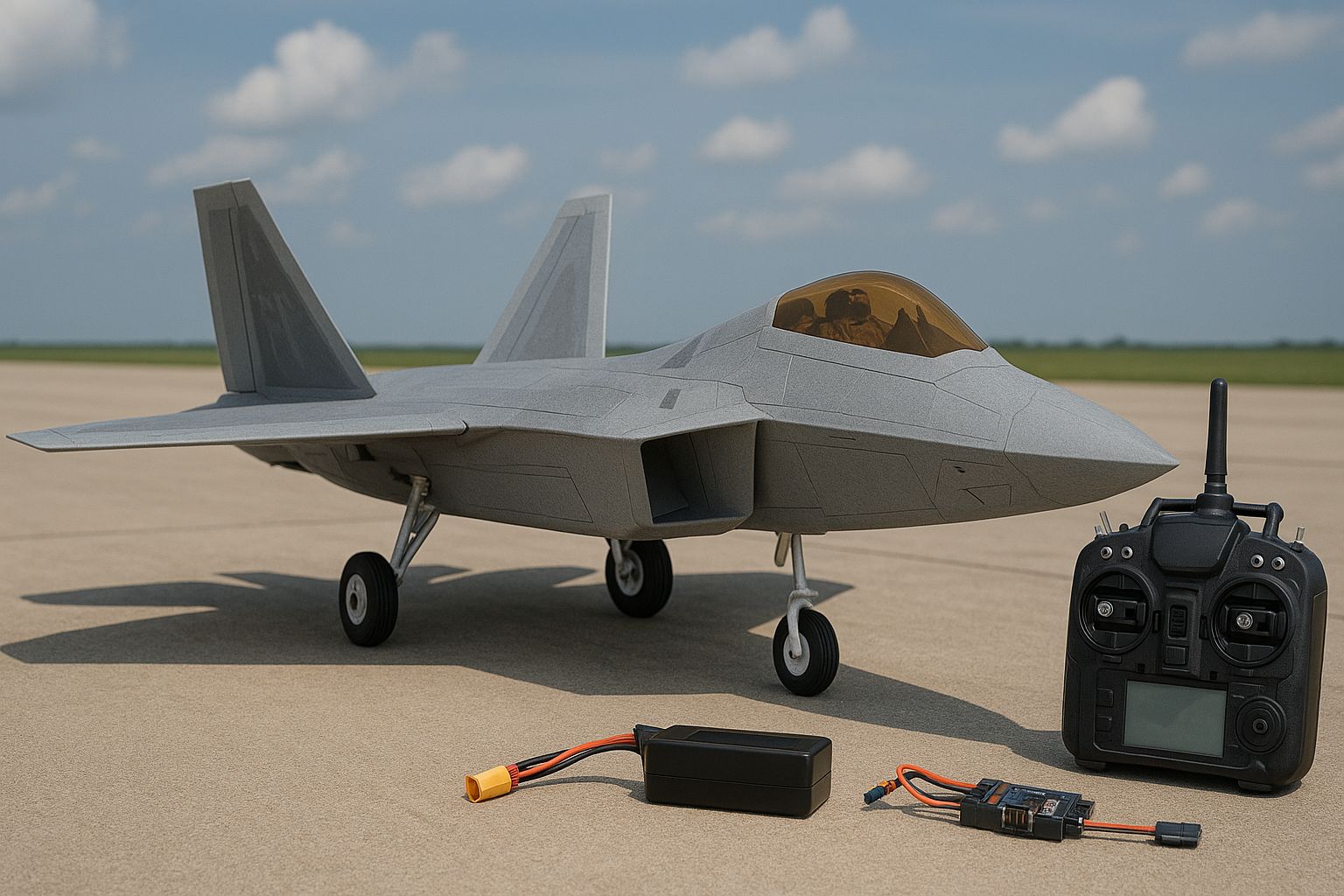
Building and piloting a scaled-down replica of the F-22 Raptor is more than just a pastime for RC fans; it’s a full-fledged passion. Nothing compares to the sleek, aggressive silhouette of the F-22 Raptor darting across the sky. The EDF F22 jet’s amazing speed, great dexterity, and jet-like feel have made it one of the most popular projects for RC builders. This aircraft’s electric ducted fan engine and foam structure provide speed, stability, and agility without breaking the bank. If you take your time, stick to a plan, and get familiar with each system as you go, it’s also surprisingly beginner-friendly. Anyone who wants to construct something that not only looks like a fighter aircraft but also flies like one may use this tutorial to get a free set of F22 EDF foam jet plans. Build Your Own RC EDF F22 Jet Download Plans Enjoy

Build Your Own RC EDF F22 Jet Download Plans Enjoy

The first thing you should do is get the appropriate plan. Here is a link to a tried-and-true RC F22 EDF jet foam board plan, so you’re covered. Depending on your taste and flying field, these designs may be used with either 50mm or 64mm EDF units and are made using basic foam board materials like Dollar Tree foam or Depron. Get the plans in PDF format. Tile them together and begin cutting after printing them on A4 or letter-sized paper. You don’t need to be an expert to comprehend each area since it is properly labeled with folds, glue zones, and component positions highlighted. The greatest aspect is that this construction is modular, so as you get more skill, you can simply modify it for improvements or replace the electronics. Before you begin cutting and adhering, make sure you have all the necessary supplies. Because it is a foam jet construction, it is inexpensive, lightweight, and crash-tolerant. Foam board hot glue or foam-safe CA is required. Use packaging tape for hinges or sealing control surfaces and a sharp hobby knife to adhere carbon fiber rods for reinforcement. Build Your Own RC EDF F22 Jet Download Plans Enjoy

2. Downloading Plans and Gathering Essentials

A suitable ESC is also required if you’re using a 50mm or 64mm EDF fan unit; they range from 30A to 40A, depending on the motor rating. A radio transmitter with elevon mixing capabilities, a 4-channel receiver, and a 3S LiPo battery You may also test components before attaching them with the aid of a servo tester and simple soldering equipment. Build Your Own RC EDF F22 Jet Download Plans Enjoy

Build Your Own RC EDF F22 Jet Download Plans Enjoy

Regarding the fan unit, this RC model’s jet-like propulsion and scream are provided by the electric ducted fan, or EDF. A 50mm EDF unit with a brushless motor operating at 4300 to 4800 KV is an excellent basic configuration for backyard or small field flying. It provides sufficient propulsion for aerobatic flying while using little battery current. A 64mm EDF with a higher wattage motor and 4S LiPo can simply blow you away if you’re searching for speed and distance. However, keep in mind that the power system must be harmonized with the strength of the airframe and your flying ability. Don’t make your first version too complex. Keep it light and make improvements as you go. When properly balanced and constructed, even a simple arrangement may provide remarkable flying performance. The construction phase is the most fascinating aspect of the process. To begin, print the paper plans, adhere them to your foam sheets, and carefully trace each component. Use caution while using the knife to ensure that your cuts are straight and clean. To prevent damaging the foam, make sure your knife is sharp and use a metal ruler. Build Your Own RC EDF F22 Jet Download Plans Enjoy

3 Building the Fuselage and Control System

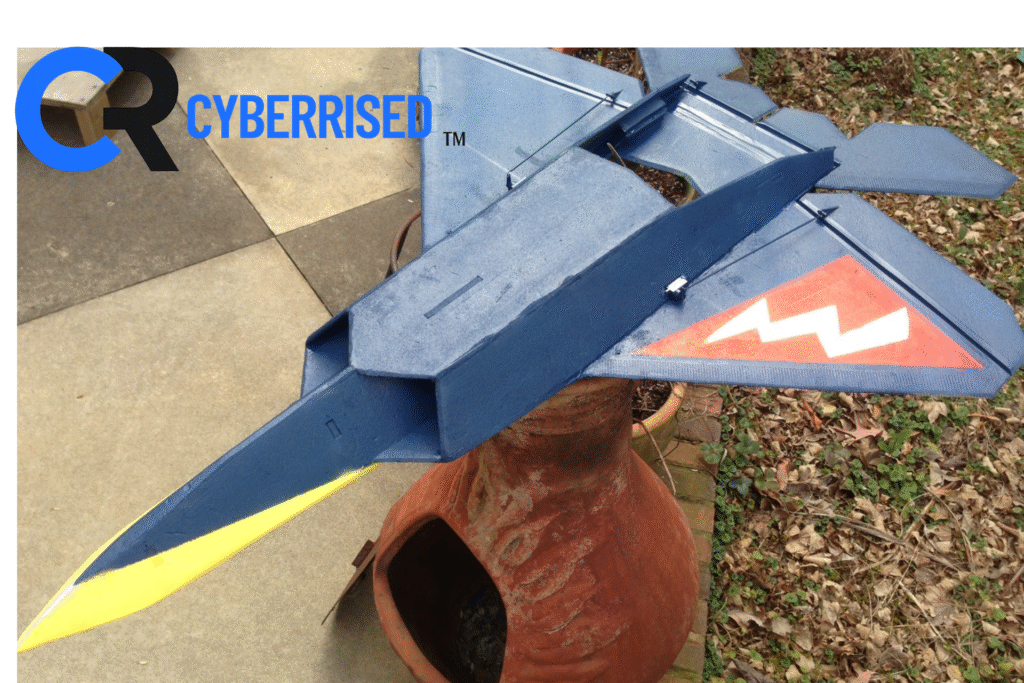
After your components are cut out, start putting the fuselage together by working your way up from the bottom plate. The vertical stabilizers should fit snugly, and the wings should line up flush with the main body. If you want to reach full throttle later, the blueprints will tell you where to install carbon fiber spars to reinforce the fuselage and strengthen the wings.

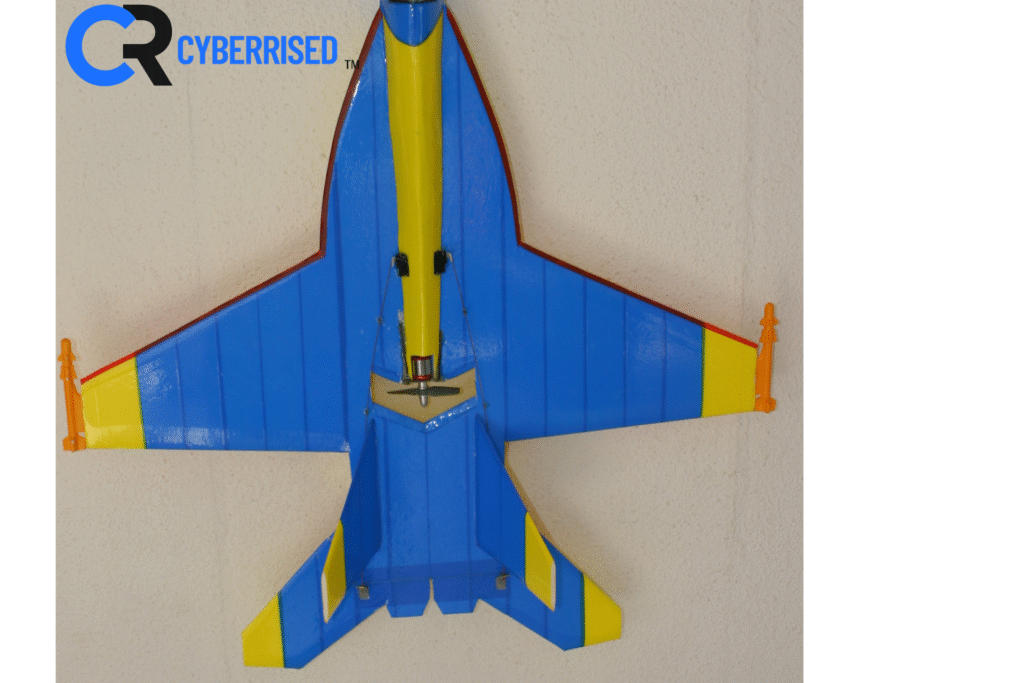
To allow for unrestricted movement on control surfaces, carefully cut your elevons and bevel the edges. Use foam-safe adhesive or packing tape hinges to hold them in place. Installing the servos within the wing cutouts and attaching them to your elevons using control horns and pushrods is the next step. Before gluing everything in place, make sure the servo centering is correct and use a basic two-servo elevon mixing arrangement on your radio transmitter. It takes some time to mount the EDF unit; depending on your design, it should fit snugly in the internal tunnel or rear exhaust hole. For a smoother exhaust and more effective push, some builders choose to install the EDF within a thrust tube composed of laminated paper or rolled plastic.

4. Installing Electronics and Preparing for Flight

Build Your Own RC EDF F22 Jet Download Plans Enjoy

The performance and sound realism are greatly enhanced by this little tweak. It’s time to bring your F22 to life when the frame is finished. Use Velcro or foam tape to attach the ESC and receiver close to the center of gravity, and make sure the wiring is neat and out of the way. To fine-tune balance, place the LiPo battery in a central bay that allows you to move it slightly forward or backward. Check the servo movement after connecting all the circuits and binding your radio. The EDF throttle response and ESC arming Avoid skipping this testing stage, particularly if it’s your first build, since a single misaligned servo or a faulty solder junction might result in a crash only seconds after takeoff.

Build Your Own RC EDF F22 Jet Download Plans Enjoy

The Gravity Center On jets like the F-22, CG is crucial, and it should normally be placed directly beyond the leading edge of the wing or wherever the design specifies. To get the ideal battery position, use your fingers or a CG stand to balance the aircraft from nose to tail. It’s time for your first flight after you’re sure everything goes as planned. Aim slightly higher and launch your F22 with a forceful underhand throw at around 70% throttle. Don’t try too hard the first time. Rather, maintain stability and adjust your controls while in flight to ensure the jet flies level. Control is more important for a successful first flight than speed. Review your battery statistics, ESC temperature, and airframe condition after a successful flight to make any necessary adjustments.

5 Mastering Flight and Exploring More Jet Builds

Because of its throttle-sensitive control and high speed and low drag, flying an EDF jet is not like flying a prop aircraft. Because EDFs react swiftly to elevon input and stall quickly if you pull too hard at low speeds, you should practice smooth motions. Fly in open areas, such as dry lake beds or sports fields, when the weather is calm and windy. Additionally, pay attention to flight durations—EDFs use a lot of power and often fly for three to five minutes on a 2200mAh battery. To prevent your battery from dying, always land with enough energy remaining and set a timer on your radio or telemetry, if one is available.

After mastering the F22, you may experiment with other incredible foam EDF aircraft, such as the F35 Mirage or Sukhoi Su27, and even scale models that have functioning lights and retractable landing gear. Foam board RC jets have the advantage of being able to be upgraded and crash-rebuilt without breaking the bank. Additionally, you will have practical experience with aircraft design and aerodynamics electronics, which will transfer into practical technical expertise. Don’t be shocked if this pastime eventually leads to you creating your own customized jet or 3D printing special components. The EDF F22 foam jet is an exciting and satisfying project that puts the sky in your hands, regardless of your level of expertise. It is suitable for both novice and expert RC pilots.
B-1 Bomber America Supersonic Heavyweight of the Skies

B-1 Bomber America Supersonic Heavyweight of the Skies

Table of Contents

  1. B-1 Bomber: America’s Supersonic Heavyweight of the Skies
  2. The Icon of American Air Power
  3. A History of Resurrection and Redesign
  4. Power and Precision in Combat
  5. The Ground Crews and the Human Effort
  6. Legacy and the Road Ahead

1.The Icon of American Air Power

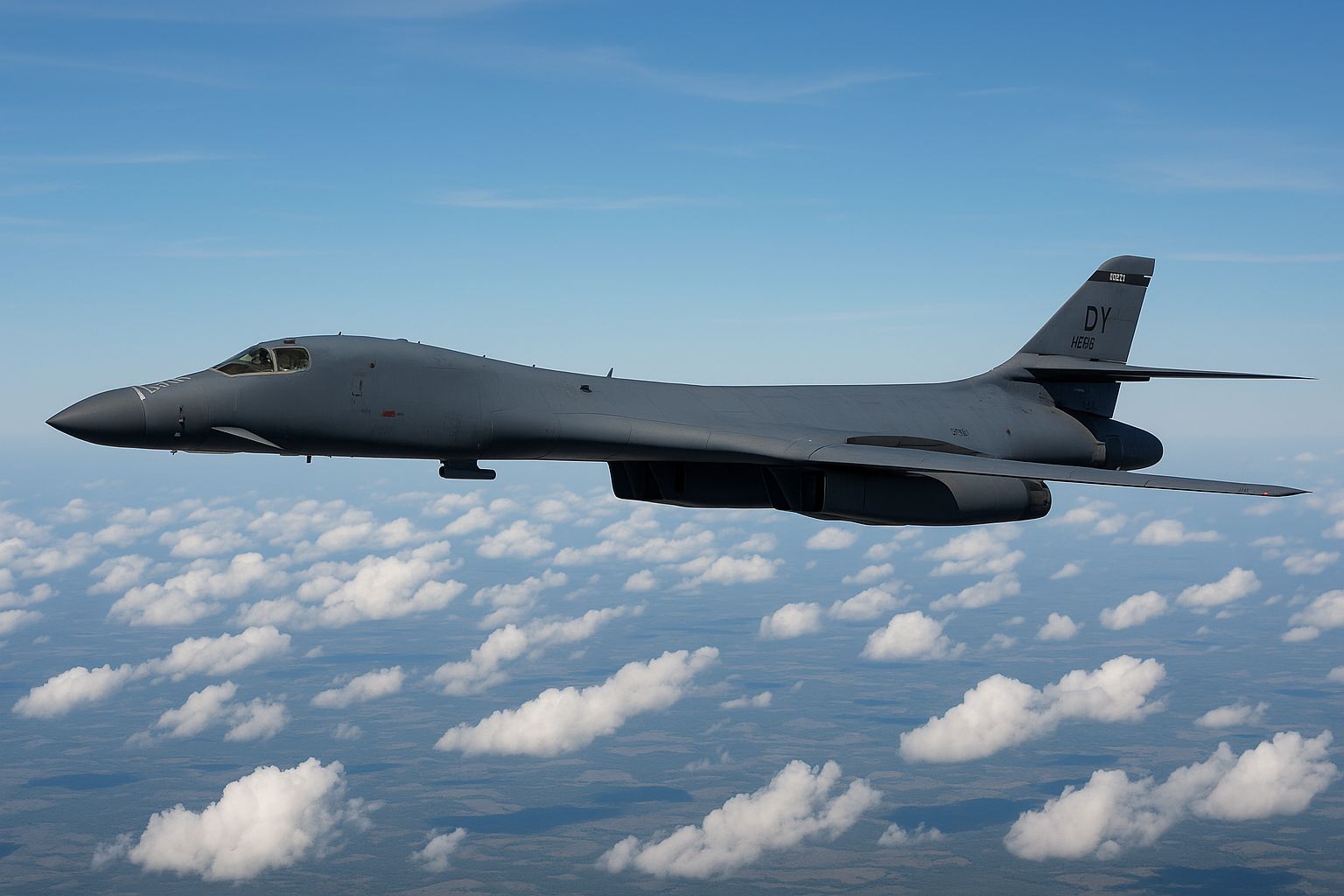
Experiencing a B-1 Lancer fly over the sky is something you won’t forget. It doesn’t just fly; it rules the sky with an image that draws attention. Known as “The Bone” by those who know it best (from “B-One”), this long-range bomber has spent decades acting as a symbol of American might and speed. It was developed amid a moment of high positions and global tension, yet it’s controlled to stay relevant by means of every decade since. The B-1 isn’t simply a result of Cold War engineering—it’s a living part of U.S. military history. It’s noisy, quick, and engineered to carry more bombs than any other terrorist in America’s arsenal during her career. But behind the specs and figures, the B-1 carries stories—stories of the people who fly it, mend it, and rely on it when things get difficult.B-1 Bomber America Supersonic Heavyweight of the Skies

B-1 Bomber America Supersonic Heavyweight of the Skies

2.A History of Resurrection and Redesign

The B-1’s journey hasn’t been easy. Back in the late 1960s, the Air Force needed something new—something that could replace the aging B-52 and fly faster, farther, and lower. The first version, the B-1A, was designed to reach blistering speeds and deliver nuclear payloads deep into enemy territory. But the program got scrapped in the late ’70s, caught in the middle of budget cuts and political debates. For a while, it looked like the B-1 might never get off the ground. Then came the 1980s. With Cold War tensions rising again, President Reagan brought the program back to life. Engineers gave it a makeover—it lost some of its speed but gained stealth, better survivability, and a huge bomb load. The reborn B-1B was built to fly low, fast, and under the radar, thanks to its swing-wing design that adapts mid-flight. What came out of that effort was a beast of a bomber—less flashy maybe, but far more effective.B-1 Bomber America Supersonic Heavyweight of the Skies

3.Power and Precision in Combat

Ask anyone who’s flown the B-1, and they’ll tell you—it’s more than a plane; it’s a team member. Pilots and crews describe the experience of flying the Lancer as something powerful, almost personal. The moment those four engines roar to life, you feel the weight of the mission. And when the jet drops to the deck, flying just a few hundred feet above the ground to avoid detection, it’s pure adrenaline. Though it was built for nuclear warfare, the B-1 has proven itself in modern conflicts again and again. In Iraq, Afghanistan, and Syria, it’s delivered life-saving air support with stunning accuracy. With guided bombs and real-time communication, B-1 crews have been able to respond to calls for help from troops on the ground within minutes. It can carry over 75,000 pounds of ordnance—more than any other bomber—and fly halfway around the world to deliver it. But what matters most is its reliability. When soldiers need support, the B-1 shows up—and it gets the job done.B-1 Bomber America Supersonic Heavyweight of the Skies

4.The Ground Crews and the Human Effort

Behind every mission is a crew of skilled, sleep-deprived, and incredibly dedicated maintainers. The B-1 is a complicated bird—it demands constant care and attention. Every bolt, every fuel line, and every wire has to be just right. Ground crews work in the heat, the cold, the dark, and the rain to keep these bombers ready. And while it’s not glamorous work, it’s deeply meaningful. These teams know that what they do on the ground directly impacts what happens in the air. They take pride in their work because lives depend on it. Over the years, as the B-1 has aged, keeping it airworthy has become a bigger challenge. But time and again, these maintainers rise to meet that challenge. There’s a special bond between the people who care for this aircraft and the machine itself—something that goes beyond duty. It’s respect, loyalty, and pride, all rolled into one.B-1 Bomber America Supersonic Heavyweight of the Skies

B-1 Bomber America Supersonic Heavyweight of the Skies

5.Legacy and the Road Ahead

The B-1’s time is running down, and this is not easy to recognize for the humans who’ve lived their lives alongside it. A new stealth bomber aircraft, the B-21 Raider, is getting set to capture the spotlight. But the B-1 isn’t done somewhat yet. It’s still fluttering expeditions still making an effect. And even once it ultimately quits, its history could live on. This plane wasn’t just for physical force—it was about flexibility. It changed with the times, found new tasks, and became more than what it was initially designed for. And in doing so, it won a place in the hearts of the men and women who additionally served with it. The B-1 offers a narrative not simply of combat and strategy, but of grit, teamwork, and endurance. It’s a narrative of citizens as much as it is of planes. As the B-1 slips into history, its sound will remain—a deep, rumbling reminder of an airplane that always delivered, no matter the mission.B-1 Bomber America Supersonic Heavyweight of the Skies

The Rise of the J-20 Chinas Stealth Powerhouse

The Rise of the J-20 Chinas Stealth Powerhouse

The Chengdu J-20, sometimes termed the “Mighty Dragon,” symbolizes China’s brave entry into the field of fifth-generation fighter planes. Designed with stealth, agility, and contemporary conflict capabilities in mind, the J-20 is China’s address to America’s F-22 Raptor and F-35 the lightning II. But this aircraft is more than simply an armed forces asset—it’s a symbol of China’s resolve to compete on the world arena, both technologically and geopolitically.The Rise of the J-20 Chinas Stealth Powerhouse

Origins: From Concept to Sky

The journey of the J-20 began in the early 2000s when China realized that its aging fleet of fourth-generation fighters wouldn’t be enough to keep pace with other global air powers. The U.S. had already unveiled its stealth fighters, and Russia was working on advanced designs too. China needed something not only comparable—but uniquely Chinese.The Rise of the J-20 Chinas Stealth Powerhouse

In 2011, the world got its first real glimpse of the J-20 when it made a surprise appearance at a test flight in Chengdu. At the time, many analysts were stunned—not just by the aircraft itself, but by how quickly China had developed a stealth fighter from scratch.The Rise of the J-20 Chinas Stealth Powerhouse

The jet’s development was spearheaded by the Chengdu Aerospace Corporation, and it drew from years of experience, some Western design influence, and heavy investment in research and development. By 2017, the J-20 officially entered service with the People’s Liberation Army Air Force (PLAAF).

Design and Stealth Features

From a distance, the J-20 looks like a sleek, futuristic machine. Its angular surfaces, low radar cross-section, and twin-engine configuration are all designed for stealth. The aircraft was built with one major idea in mind: survivability in modern, high-tech warfare.

The Rise of the J-20 Chinas Stealth Powerhouse

The J-20 features canards (small forward wings), which are rarely seen on stealth jets but may improve maneuverability. Its internal weapon bays help it remain radar-invisible while carrying missiles. The aircraft also uses radar-absorbent materials and a design that limits heat and noise signatures.

Unlike the American F-22, the J-20 was initially powered by Russian AL-31 engines, but China is gradually shifting to its indigenous WS-10C and WS-15 engines—powerplants that promise to bring the jet closer to true fifth-gen performance standards.

Inside the cockpit, pilots have access to modern avionics, large multifunction displays, and helmet-mounted sights—features that support both air-to-air and air-to-ground missions.

Role and Mission Capabilities

The J-20 isn’t simply a stealthy the interceptor; it’s a multipurpose tool developed for numerous missions in contemporary warfare. While its primary function is to control the skies, it also has the capacity to strike ground targets and execute reconnaissance flights as needed.

What distinguishes the J-20 different is its concentration on beyond-visual-range (BVR) warfare. It’s armed with distant PL-15 missiles that can engage opposing aircraft from distances of over 200 km, restoring it the edge before fighting even begin. This underscores China’s wider trend toward long-range, networked warfare.

The jet is thought to feature advanced radar and digital warfare technologies that make it tough for foes to identify or target. It may also act in concert with drones and early warning planes, providing a network of awareness and attack capacity that increases its battlefield usefulness.

With its stealth and long-range missiles, the J-20 is well suited for missions in contentious locations like the South China Sea or near Taiwan—areas where China seeks air control without initiating outright war.

Comparison with Global Rivals

So, how does the J-20 examine to its counterparts like a F-22 or the Russian Su-57? It is dependent on who you ask.

In sheer fighting performance, the F-22 Raptor is typically regarded better, given to its thrust-vectoring motors and enhanced stealth. The F-35, meanwhile, has unrivaled network and sensor fusion capacity, which make it a flying data center as much as a fighter.

But the J-20 acts a different game. It’s not made for up-close combat—it’s designed to see first, shoot first, and disappear. That alone makes it a dangerous threat in locations where long-range standoff tactics dominate.

Moreover, the J-20 is supported by China’s burgeoning military-industrial complex, meaning it can be manufactured at scale and developed incrementally. Its development hasn’t ceased. Future modifications may include two-seat arrangements for AI control, improved sensors, or drone swarm coordination.

China is also working on integrating the J-20 into a wider battle ecosystem—linking it with unmanned aircraft, satellites, and missile weapons to establish a holistic warfighting network.

Symbol of National Pride and Strategy

For the People’s Republic the J-20 is far more compared with an aircraft—it’s a representation of national triumph. It underlines China’s aim to not just protect its borders but to project dominance across the The Asia-Pacific area and beyond. As the government continues to extend its influence, bringing a fifth-generation fighter lets China speak the power source global language of strength.

The aircraft also plays a crucial position in what India calls “informatized warfare”—a sort of military strategy that depends on real-time data, dialog networks, and collaborated action. With the J-20 as a the focal point, China is developing a force that shall compete with the finest in the world.

Yet the narrative of the J-20 is still developing. As additional aircraft enter service and other variations are launched, the actual effect of this stealth fighter will become obvious. For now, it remains as a fascinating illustration of how swiftly a nation may develop in technical competence provided it invests the resources and willpower.

Conclusion

The J-20 is a big leap toward for China’s air compelled and underlines its larger strategic aspirations. Whether considered as a menace or a wonder of engineering, there’s no disputing the significance this aircraft plays in changing the regulate of air power in the 21st era. It’s quick, it’s stealthy, and most all, it’s a statement to the world: China is down in the sky

Air Force One The Skybound Symbol of American Power

Air Force One The Skybound Symbol of American Power
1. A Flying Symbol of American Power
2. Inside the Flying White House
3. Missions with Precision and Meaning
4. Missions with Precision and Meaning

A Flying Symbol of American Power

Air Force One The Skybound Symbol of American Power

Air Force One is greater than simply an airplane It is a shifting piece of heritage and power It takes the President of the United States to locations near and far reflecting the strength and voice of a complete country When it arrives in the sky or lands at an airport people stop and pay notice because they know something significant is occurring

Most Americans assume one specific jet when they hear the moniker Air Force One although the word may technically refer to any Air Force plane that is transporting the President Still there currently are two specially improved Boeing 747s that are most recognized for this function They are developed not just for comfort but for protection strength and constant connectivity to the rest of the world

From the outdoors the airplane is bold and distinctive The huge the Americans flag the clean navy and white design and the patriotic phrases United States of America deliver a strong statement It is a soaring billboard promoting America’s leadership and the principles this nation stands for

Inside the Flying White House

Step into Air Force One and it seems like another universe Everything has an objective and a reason The President gets a separate apartment that contains a bedroom a toilet and even a small fitness area There is a health care office aboard also with a doctor on every trip just in case something unforeseen happens

There is also a chance for staff experts security employees and members of the press The airplane is practically a mini city in the sky with reaching rooms office areas and a full kitchen Everything is meant to assist the President stay focused engaged and willing to lead even while flying far above the ground

What makes this jet so remarkable is not just its luxury but how it keeps the President safe and in charge It can refuel while flying so it never has to land in a hurry It contains technologies that defend against electronic attacks and can escape radar if needed It is built to keep going no matter what the world throws at it

Missions with Precision and Meaning

A flight aboard Air Force One is never casual Every step is planned with care and precision Security is tight and the team is top notch The motorcade rolls straight up to the plane The President boards immediately and the engines scream to life under the supervision of highly trained pilots who know their mission important


Air Force One has a long and illustrious history Presidents have been flying since the 1940s and each generation of aircraft provides new powers and enhancements The current models entered service in the 1990s and preparations are already in motion for subsequent variants with even more technology and strength

Air Force One The Skybound Symbol of American Power


When the plane lands in another nation it is more than simply a vacation It is a statement The landing of Air Force One informs the globe that the United States is settling attention that it is participating and that it is willing to stand up for exactly what it believes in Crowds assemble to see it arrive and depart because it indicates history is in motion

Leading from the Sky

Air Force One is prepared for anything In times of danger or disaster it gets a flying direct center If ground networks are down or under danger the President may remain leading the US from the air making crucial decisions and staying in constant communication with leaders throughout the globe

Even with all its high tech equipment and military power the jet nevertheless conveys something extremely human It indicates that leadership does not cease It continues going across various time zones across borders in day and night Whatever from the cuisine to the seating is designed to keep the President and the staff sharp focused and ready

To travel on Air Force One is to carry the weight of the country It is not only about comfort or prestige It is about being prepared about making decisions that effect millions and doing it with care and devotion The aircraft is both strong and modest It gets the job done and does it well

At the end of the each day It Force One is not simply a plane It is a flying paragraph of America’s past and a reminder that power travels and that the responsibilities of the President never truly ends no matter where in the world this may be

F-22 Raptor RC Foam Jet A High-Speed Thrill in the Sky

F-22 Raptor RC Foam Jet A High-Speed Thrill in the Sky
SectionTitle
1Introduction to the F-22 Raptor RC Foam Jet
2Airborne Excitation F-22 Raptor EDF RC
3What Is an F-22 Raptor EDF Foam RC Jet?
4Crucial Elements
5EDF Foam Jet: Why Choose It?
6Lower Cost
7These are suitable for beginner and average pilots
8Conclusion

Airborne Excitation F-22 Raptor EDF RC Foam Jet For RC aviation enthusiasts, the F-22 Raptor is one of the most advanced stealth fighters to be found anywhere in the world, and to make a smaller-sized version of the aircraft is an interesting project. RC foam jets based on the F-22 Raptor, particularly electric ducted fan (EDF) powered models, have become quite popular. These jets offer amazing performance, detailed appearance, and nimble speed at prices affordable for modelers of all skill levels.F-22 Raptor RC Foam Jet A High-Speed Thrill in the Sky

F-22 Raptor RC Foam Jet A High-Speed Thrill in the Sky

What Is an F-22 Raptor EDF Foam RC Jet?

An electric ducted fan, or EDF F-22 Raptor RC Foam Jet A High-Speed Thrill in the Sky, foam RC jet is a type of radio-controlled aircraft that produces thrust with an electric ducted fan rather than a propeller. This type of propulsion is very well suited for the Raptor’s sleek design and stealthy appearance. Constructed from lightweight foams, such as Depron or EPO, these jets are inexpensive, durable, and easily repaired.F-22 Raptor RC Foam Jet A High-Speed Thrill in the Sky

Crucial Elements

EDF Power System: The diameter of the electric ducted fan, the most important part of the jet, can go from 50 mm to 90 mm, depending on model and purpose. This design is primarily responsible for the jet’s incredible speed and jet-like sound.

Stealth-Inspired Design Features: The RC F-22 sports twin vertical stabilizers to mimic the looks and aerodynamics of stealth, slanted wings, and a low fuselage.

Foam Construction: All but a few use high-density foam, which makes for lightweight, strong, and controllable aircraft. Modular components, which help for ease of transport and assembly, are included with some kits as well.

Control Surfaces: Most of these models are functional on elevators, rudders, and ailerons, depending on the level of complexity, and provide full 4-channel capability for aerobatic practices. F-22 Raptor EDF RC Foam Jet: A High-Speed Thrill in the Sky

EDF Foam Jet: Why Choose It?

F-22 Raptor RC Foam Jet A High-Speed Thrill in the Sky
FF-22 Raptor RC Foam Jet A High-Speed Thrill in the Sky

Lower Cost: Foam models are less expensive to manufacture than composite aircraft. F-22 Raptor EDF RC Foam Jet: A High-Speed Thrill in the Sky

F-22 Raptor EDF RC Foam Jet: A High-Speed Thrill in the Sky

These are suitable for beginner and average pilots

Smashability: “Foam cushions impact better than fiberglass or balsa because they are more absorbent of impacts. Repairability: Can be easily replaced or repaired using simple tools and foam-safe glue. Performance: These planes can reach excellent speeds and perform very well when they are designed for

the right EDF and built light. The Flying F-22 EDF foam jet is an exhilarating combination of agility and speed. The jet is proficient in high-speed passes, rolls, loops, and vertical climbs. Combining a 4S or 6S LiPo battery with a good ESC and powerful motor, the feeling from the pilots when flying is usually how nice and responsive the flying feels.

Conclusion

The F-22 Raptor the RC Foam Jet is a lot of fun and really lets hobbyists and fans experience the excitement of flying at high speeds. With its sleek form, lightweight foam building, and powerful engine, this RC jet mimics the feel of the genuine F-22 while being accessible to pilots of various skill levels. The F-22 is quite stable and responsive, whether you’re flying at peak speed or doing precise aerobatic spins.
One of the best things about it is how simple it is to launch, fly, and keep up with. The foam body strikes a fantastic mix between durability and performance, making it perfect for both novices who are just starting out and expert users who want to go fast. While flying time might be restricted by battery capacity, this is a modest trade-off for the thrilling, action-packed excitement the jet gives.
The F-22 Raptor RC Foam Jet is a great addition to any RC collection as a whole. In its class, it has the best mix of speed, agility, and ease of use. This model is one of the best options for anyone who want to experience the thrill of jet-powered RC flight without spending a lot of money. It’s a real high-speed thrill in the skies.

SR71 Blackbird Speed Payload Altitude and Global Reach

SR71 Blackbird Speed Payload Altitude and Global Reach
Introduction to the SR71 Blackbird
1Top Speed of SR71 Blackbird
2Highest Flying Altitude
3Payload and Sensors
4Operational Range and Endurance
5Legacy and Impact

The SR71 The blackbird is one of the most iconic aircraft in transport history Known for its unequaled speed altitude and surveillance capacity the SR71 was built by Lockheed’s Martin’s the skunk Works division at the height of the Cold War Built as a long differ high altitude Mach 3 strategic investigation aircraft it flew for the United States Air Force from 1966 until 1998 Despite being decommissioned the SR71 stands a symbol of technical innovation and aeronautical success.SR71 Blackbird Speed Payload Altitude and Global Reach Its powers in terms of peak speed maximum flying high altitudes and operating range continue to surprise aviation fans and military historians throughout the world SR71 Blackbird Speed Payload Altitude and Global Reach

Top Speed of SR71 Blackbird

The SR71 Blackbird holds the official record for the fastest air breathing manned aircraft ever built Its peak speed exceeds Mach 33 which is more than 2500 miles per hour This exceptional speed helped the SR71 to escape surface to air missiles and adversary aircraft during its reconnaissance missions It was so quick that when a threat was recognized the conventional technique was to just accelerate and flee the danger zone rather than try to avoid or

SR71 Blackbird Speed Payload Altitude and Global Reach

The Blackbird’s speed stemmed from its unique propulsion system The aircraft was powered by two Pratt & Whitney J58 turbojet engines which operated as turbo ramjets at high speeds and altitudes This meant that the quicker the SR71 went the more effectively its engines operated Most conventional jet engines lose performance as speed increases but the J58s were expressly engineered to survive under such high circumstances.SR71 Blackbird Speed Payload Altitude and Global Reach

The SR71’s speed was not only a question of life but also a critical component of its mission success It could fly into hostile airspace acquire intelligence using sophisticated sensors and cameras and escape before enemy defenses could reply This feature made the SR71 a vital instrument for strategic reconnaissance during the Cold War notably over locations like the Soviet Union the Middle East and North Korea

Highest Flying Altitude

Another notable trait of the SR71 Blackbird was its ability to fly at extraordinarily high altitudes The aircraft had a service ceiling of 85000 feet which is nearly 16 miles above the Earth’s surface At this height the SR71 could dodge most forms of radar detection and conventional anti aircraft weaponry
Flying at such high altitudes imposed unusual demands on both the aircraft and the pilot The thin atmosphere at 85000 feet needed special pressurization devices and the pilot wore a complete pressure suit similar to those worn by astronauts The cockpit atmosphere had to be carefully maintained to guarantee that the crew could perform well throughout extended flights

SR71 Blackbird Speed Payload Altitude and Global Reach

The SR71’s high flying capabilities not only boosted its survival but also allowed it a broad field of view for reconnaissance missions The cameras and sensors onboard could record huge expanses of terrain in a single pass and the photos obtained gave important intelligence for military planners and government authorities This advantage was especially crucial for operations over locations where satellite coverage was restricted or lacking SR71 Blackbird Speed Payload Altitude and Global Reach

Payload and Sensors

While the SR71 was not meant to carry traditional armament payloads its actual potency came from the reconnaissance devices it contained The aircraft might be outfitted with a wide variety of sensors including high resolution optical cameras side facing airborne radar and signals intelligence equipment These devices allowed it to gather data across various spectrums providing a detailed picture of enemy activities infrastructure and troop movements
The payload compartment of the SR71 was modular allowing mission planners to adapt the equipment loadout based on operational needs Depending on the task it might carry a combination of photography equipment radar scanners and electronic intelligence gear Each cargo had to resist intense heat and pressure owing to the aircraft’s high speed and altitude therefore specialist design and cooling systems were needed

Although the SR71 did not carry bombs or missiles its surveillance payloads were frequently more strategically valuable The intelligence obtained by the Blackbird helped shape national defense strategy arms control discussions and battlefield tactics Its capacity to offer accurate timely and trustworthy intelligence without placing itself in substantial danger was unsurpassed by any other platform of its time

Operational Range and Endurance

The SR71 had an operational range of around 3000 miles on internal fuel but its true benefit came with the ability to refuel midway Using aerial refueling tankers the SR71 could prolong its mission endurance and reach practically any location on the world This capabilities allows it to perform transcontinental surveillance operations without relying on offshore bases
Typical missions comprised the SR71 taking off from a facility such as Beale Air Force facility in California meeting with a tanker aircraft to top off its fuel and then traveling to its target area After completing the reconnaissance mission it would again connect with a tanker before returning to base Missions might continue for over 10 hours and span tens of thousands of miles

The durability of the SR71 was further boosted by its dependability and sturdy engineering Unlike some reconnaissance aircraft that required substantial maintenance between flights the SR71 was noted for its operational availability and ability to be deployed fast This was critical for operations that required real time information collection in reaction to swiftly shifting geopolitical events

Legacy and Impact

The SR71 Blackbird was a wonder of inventiveness accelerate and strategic value Although it was later discontinued in favor of satellite communication technology and current drones the impact of the SR71 continues to affect aircraft design and intelligence collection techniques Its records for velocity and altitude still remain and its impact in molding global military awareness over the Cold War cannot be exaggerated

From its peak speed exceeding the Mach 3 to its 85000 bike service ceiling and worldwide reach with aerial filling up the SR71 illustrated what was achievable with the appropriate combination of technology vision and strategic requirement Even now it serves as a template for future generations of planes like the claimed SR72 and other high speed investigation designs pushing the boundaries of what contemporary aviation can achieve